Rubaiya Qatar Names More Than 120 Artists for Its First Quadrennial
Water, trade winds and three generations of Gulf artists, all over Doha.
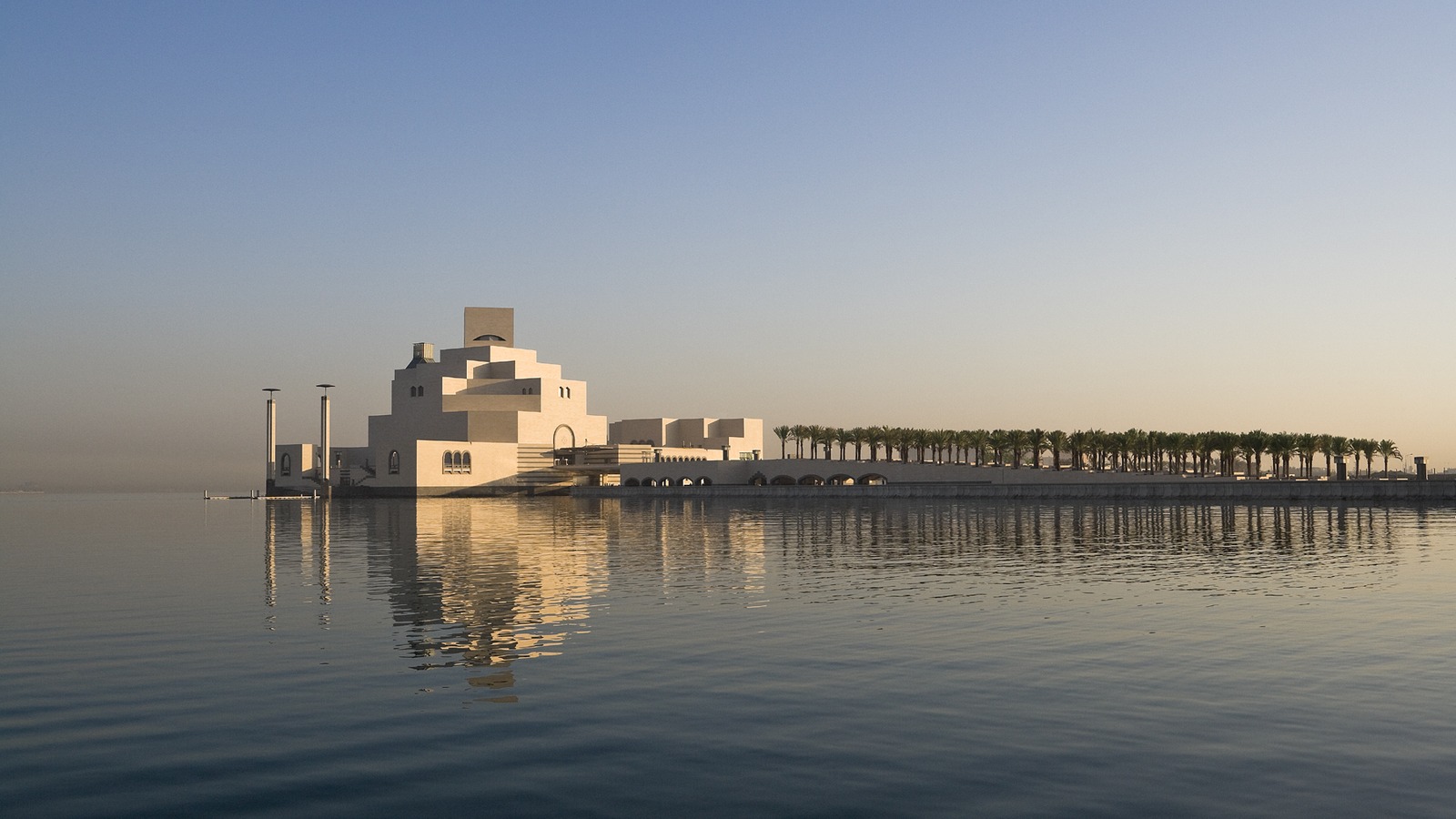
Qatar Museums has just revealed the full artist list for Rubaiya Qatar, and it is a big one. The first edition of the country's new visual arts quadrennial will bring more than 120 artists from over 45 countries to Doha from 21 November 2026 to 30 April 2027, across three exhibitions, a programme of public art and a public programme with more than 130 artists, curators, thinkers, educators and cultural practitioners. For our region, it marks the arrival of a major new recurring exhibition in the Gulf, and one with water at its heart.
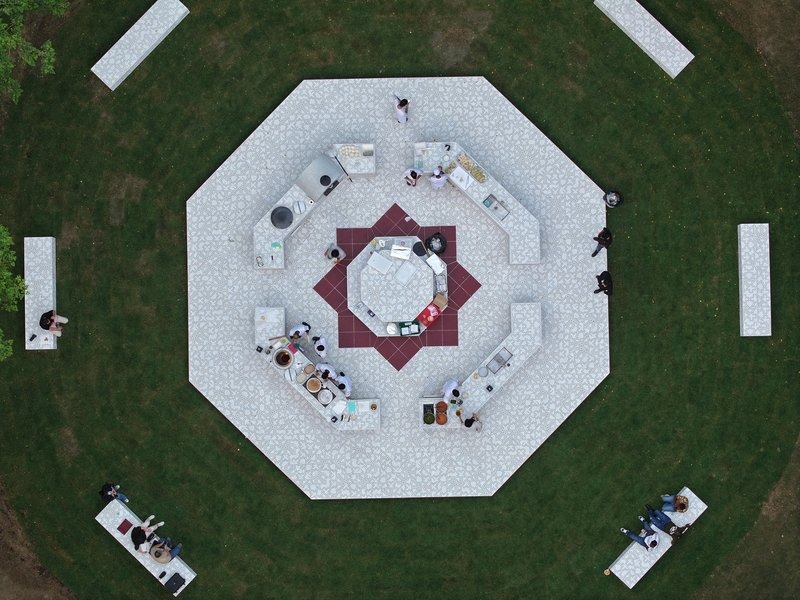
For anyone less familiar with it, the name comes from the Arabic for "fourfold", as The Peninsula explains, a nod to its four-year cycle. Rubaiya Qatar is organised by ALRIWAQ Arts + Architecture, Qatar Museums' institution for research, exhibitions and public art, under the patronage of Sheikha Al Mayassa bint Hamad Al-Thani, Chairperson of Qatar Museums, with Sheikha Alanood Al Thani as director. Its themes are global environmental issues, the social, political, economic and cultural significance of water, and Qatar's maritime heritage. It was soft-launched in October 2025 with a participatory pavilion by Rirkrit Tiravanija in MIA Park, and its three exhibitions and curators were announced in February 2026.
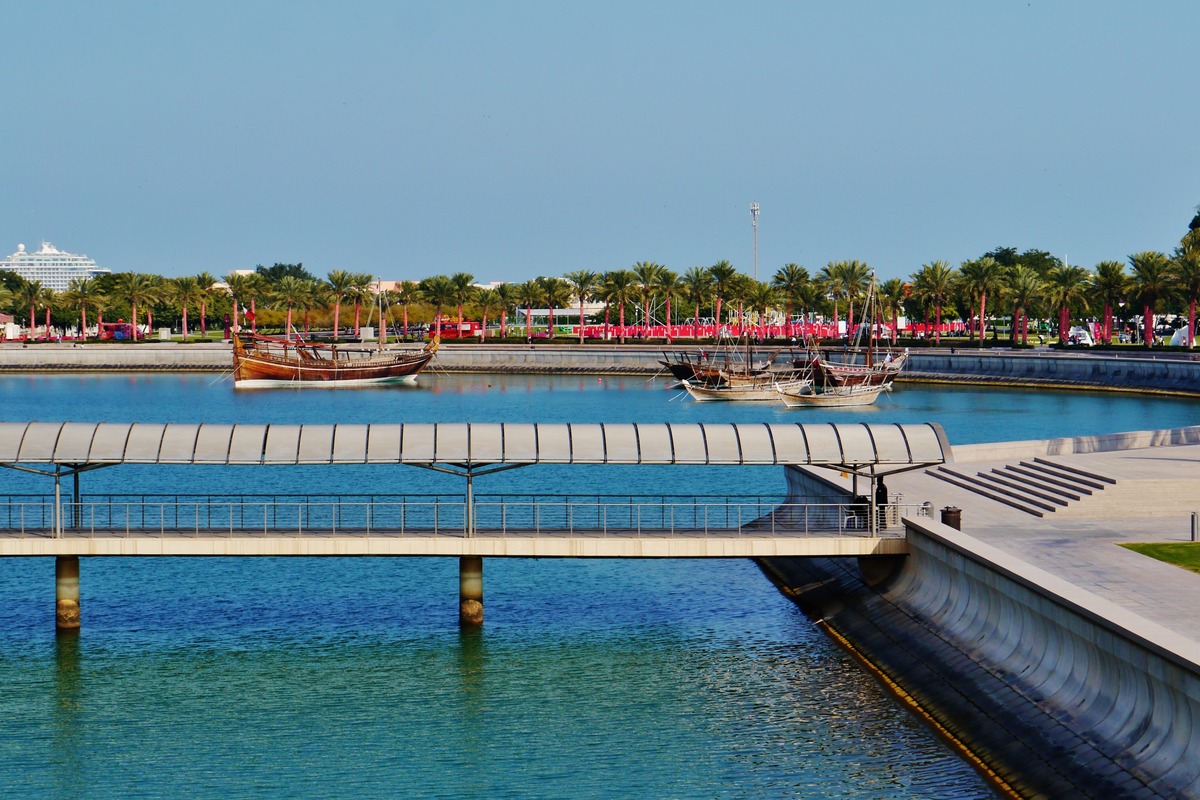
The flagship exhibition, Unruly Waters, opens on 21 November at ALRIWAQ, with presentations at the Museum of Islamic Art and in MIA Park. It is curated by Tom Eccles, Executive Director of the Center for Curatorial Studies and the Hessel Museum of Art at Bard College; Ruba Katrib, Chief Curator and Director of Curatorial Affairs at MoMA PS1; Shabbir Hussain Mustafa, Chief Curator of the Singapore Art Museum; and Mark Rappolt, Editor-in-Chief of ArtReview. Its title comes from the environmental historian Sunil Amrith's 2018 book of the same name, and it brings together 54 artists and collectives, with more than 30 new commissions, alongside objects from the Cirebon shipwreck, a merchant vessel of the late ninth to tenth century salvaged in Indonesia's Java Sea in 2003.
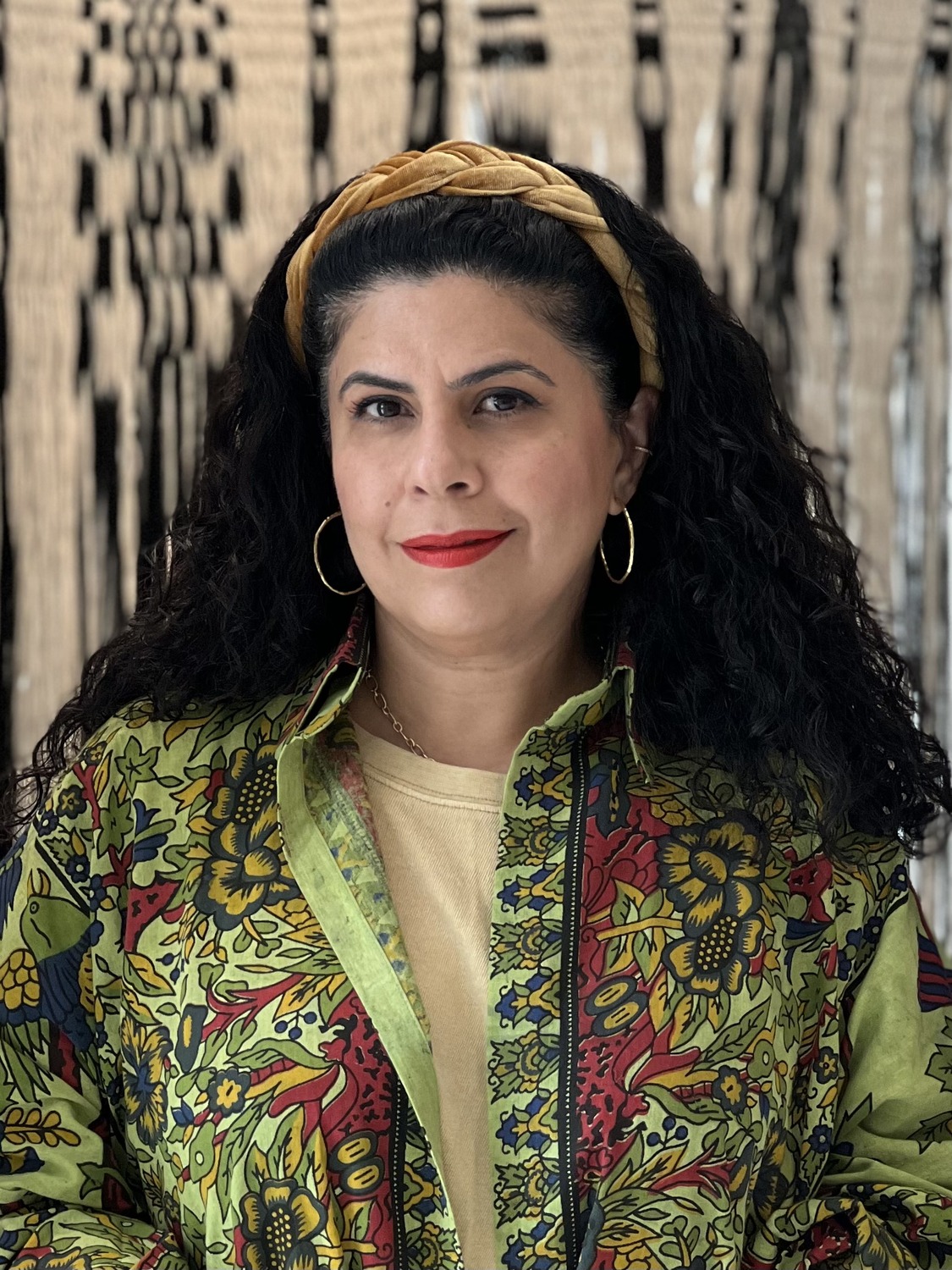
The curators told ARTnews that the artists "trace trade winds, monsoon rhythms, ocean currents, and digital communication networks" in order to "redefine 'globalism' through ecology and human movement, understanding it as a product of nature as much as of commerce." Encouragingly, our region is everywhere on the list. Lawrence Abu Hamdan, Simone Fattal and Dala Nasser represent Lebanon; Kamal Aljafari, Mayar Hamdan, Khalil Rabah and Ahlam Shibli Palestine; Meriem Bennani Morocco; Lydia Ourahmane and Mohamed Bourouissa Algeria; and Sophia Al-Maria, Majid Al-Remaihi and Yousef Ahmad Qatar. They are joined by Farah Al Qasimi from the UAE, Alia Farid from Kuwait, Ayman Zedani from Saudi Arabia, Shaima Al-Tamimi from Yemen, Khalid Albaih from Sudan and Newsha Tavakolian from Iran.
Egyptian artist Wael Shawky, who served as artistic director of the first Art Basel Qatar in February 2026, is also in Unruly Waters, a reminder of how closely Doha's new fair and its institutions now move together.
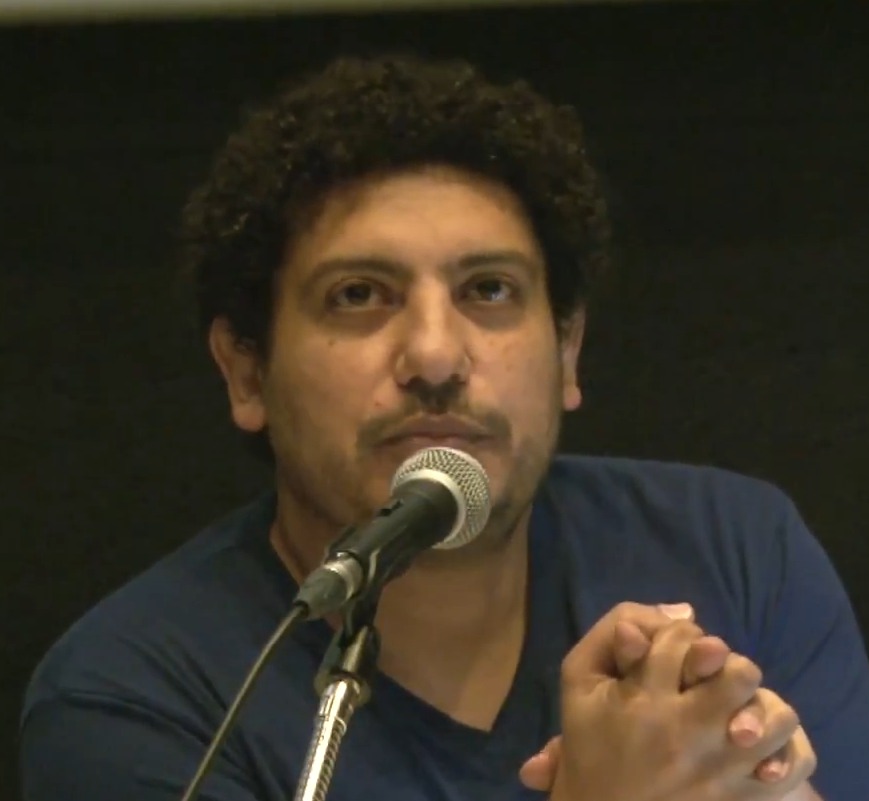
The second exhibition, Our Common Currents, opens on 22 November at Katara QM Gallery. Curated by Lina Patmali, Acting Head of Curatorial Affairs at Rubaiya Qatar, it gathers 12 artists and collectives, four of them with new commissions: Taloi Havini, Latent Community, Miguel Fernández de Castro and Artcom Platform. Egyptian artist Basim Magdy and Kuwaiti artist Aziz Motawa show alongside Olafur Eliasson, Barbara Chase-Riboud and Lala Rukh. "In Our Common Currents, the artists featured explore how interconnected we are with the natural world," Patmali told ARTnews.
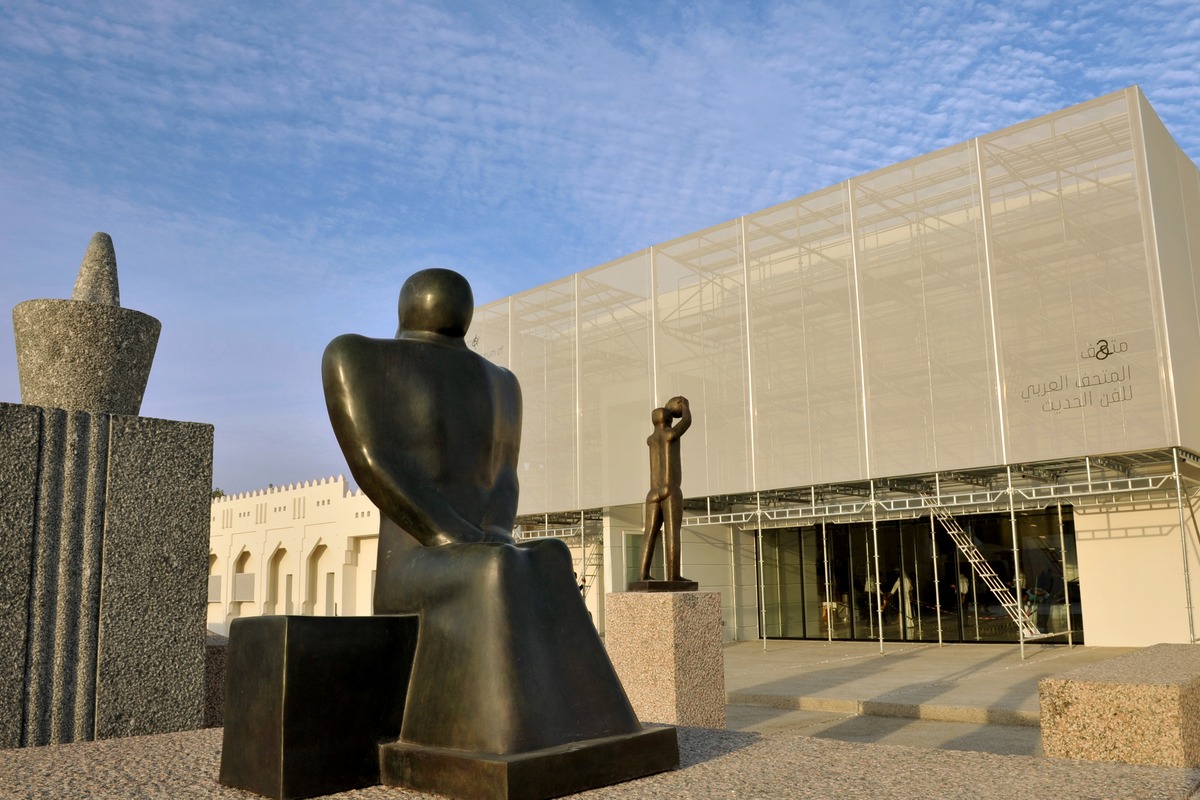
Perhaps the most exciting for collectors of modern art from our region is Seething Sea, which opens on 22 November at Mathaf: Arab Museum of Modern Art. Curated by Wadha Al-Aqeedi with assistant curator Loulwah Kutbi, it brings together more than 50 artists and over 80 works from Mathaf's collections and loans, spanning three generations of artists from every shore of the Gulf, along with a new commission by Kuwaiti artist Jasem AlSanea. According to ARTnews, its title comes from a line in the Qur'an.
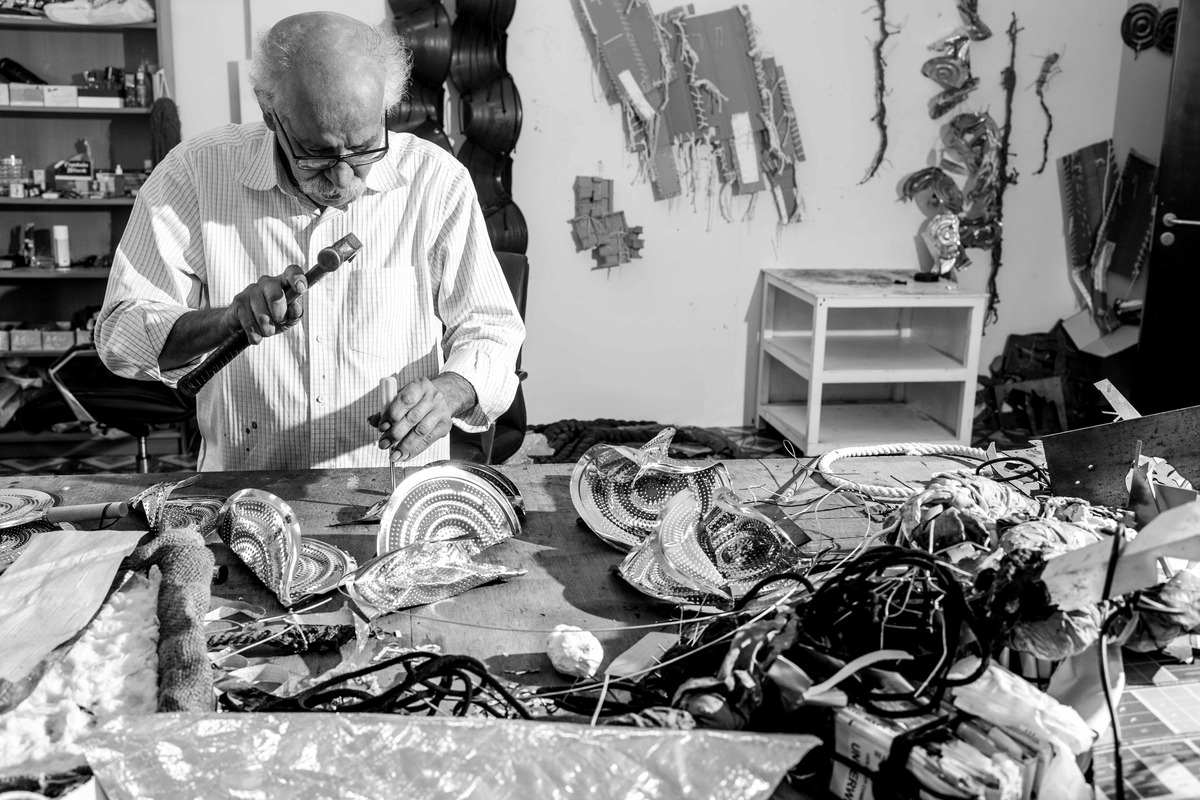
"For millennia, the people of the Gulf lived from the sea and understood it through faith and folklore," Al-Aqeedi told ARTnews. "What visitors will find is a reminder of all the sea has given, and a warning of impending doom." The list reads like a history of Gulf and Iraqi modernism: Dia Azzawi, Mahmoud Sabri, Suad Al-Attar and Rafa Nasiri from Iraq; Hassan Sharif (1951-2016) and Abdul Qader Al-Rais from the UAE; Jassim Zaini and Wafika Sultan Al-Essa from Qatar; Balqees Fakhro from Bahrain; Fuad Al-Futaih from Yemen; and Charles Hossein-Zenderoudi and Iran Darroudi from Iran.
Contemporary voices are just as strong, with Monira Al Qadiri from Kuwait and, from Saudi Arabia, Faisal Samra, Basmah Felemban and Manal AlDowayan, who represented the Kingdom at the Venice Biennale in 2024.
Beyond the galleries, seven artists will make public works across the city between November and April. Tiravanija's untitled 2025 (no bread no ashes) returns to MIA Park, Lubna Chowdhary makes an intervention at Barzan Towers, Minerva Cuevas paints a mural at the National Museum of Qatar metro station, and Bahraini artist Shaikha Hala Al Khalifa designs a playground in Al Khor, with Jitish Kallat and Nazgol Ansarinia completing the line-up.
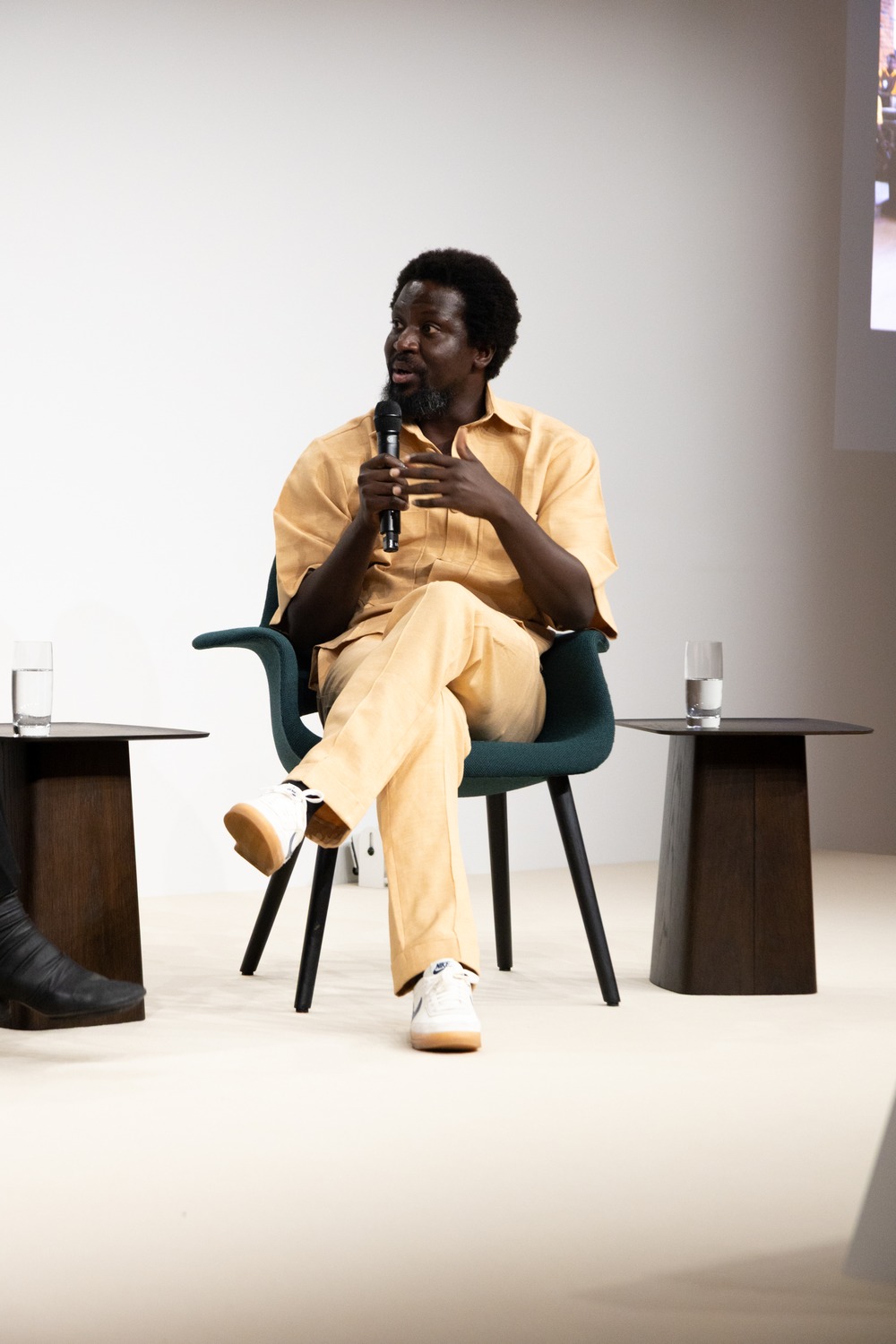
Ghanaian artist Ibrahim Mahama, meanwhile, is making a work for the site of the future Art Mill Museum. And on 20 November, the eve of the opening, Qatar Museums unveils a permanent Doha Pavilion by Gerhard Richter in MIA Park, designed with Selldorf Architects. "Doha is the right place and the only place for my Pavilion," Richter said in a statement.
"Cultural institutions in the SWANA region are no longer merely participating in the global discourse about contemporary art. They are setting its tone and shaping its future," Sheikha Alanood Al Thani, Director of Rubaiya Qatar, told Canvas. "Foregrounding non-Western perspectives, fostering ambitious new commissions and embedding deep ecological and historical research into its curatorial core, Rubaiya Qatar offers a fresh paradigm for international exhibitions of contemporary art."
That said, the question every newcomer to the calendar has to answer is what it adds. Tom Eccles was candid about it when the programme was first announced. "Sharjah has dominated this region in terms of biennials with an excellent programme. So we thought, what can we do differently from Sharjah?" he told The Art Newspaper in February. A four-year rhythm, a collection-led show at Mathaf and a deep bench of artists from our region are a convincing start, and the timing is busy: the second Art Basel Qatar takes place from 28 to 30 January 2027, right in the middle of the run.
We're eager to see how Doha's waters look on 21 November.
Rubaiya Qatar takes place across Doha from 21 November 2026 to 30 April 2027. Unruly Waters opens at ALRIWAQ, the Museum of Islamic Art and MIA Park on 21 November; Our Common Currents at Katara QM Gallery and Seething Sea at Mathaf open on 22 November.
Sources10 references
- ARTnewsRubaiya Qatar reveals artist list for inaugural editionartnews.com
- CanvasInaugural Rubaiya Qatar quadrennial details announcedcanvasonline.com
- ArtReviewRubaiya Qatar 2026 announces full list of artistsartreview.com
- Qatar News AgencyQatar Museums to launch first Rubaiya Qatar visual arts quadrennial on Nov 21qna.org.qa
- Qatar News AgencyQatar Museums unveils programme for Rubaiya Qatar, a new contemporary art quadrennialqna.org.qa
- The PeninsulaQatar Museums unveils exhibitions and artists for inaugural Rubaiya Qatarthepeninsulaqatar.com
- The Art NewspaperLawrence Abu Hamdan and Lydia Ourahmane among artists confirmed for new Qatar quadrennialtheartnewspaper.com
- Qatar News AgencyQM announces permanent artwork for MIA Park created by German artist Gerhard Richterqna.org.qa
- Qatar MuseumsFall 2026 Exhibitionsqm.org.qa
- Art BaselArt Basel appoints artistic director for 2027 Qatar edition and unveils themeartbasel.com
More from News
Perform Sharjah Returns for Its Fifth Edition With 16 Free Performances
Sharjah Art Foundation's performance festival is back until 29 November 2026, with eight world premieres, dance, participatory theatre, giant puppets and new site-specific works at Bait Al Serkal.
First Baghdad Photo Week Puts Light on Iraqi Photography Scene
While the MENA region is known for its artistic hubs, Iraq - with its ancient history - isn’t often thought of as having a serious contemporary art scene. However, Baghdad Photo Week brings contemporary Iraqi photogra…
Alexandria Biennale to Return in 2026
The MENA region’s oldest biennale makes a comeback