First Baghdad Photo Week Puts Light on Iraqi Photography Scene
While the MENA region is known for its artistic hubs, Iraq - with its ancient history - isn’t often thought of as having a serious contemporary art scene. However, Baghdad Photo Week brings contemporary Iraqi photogra…
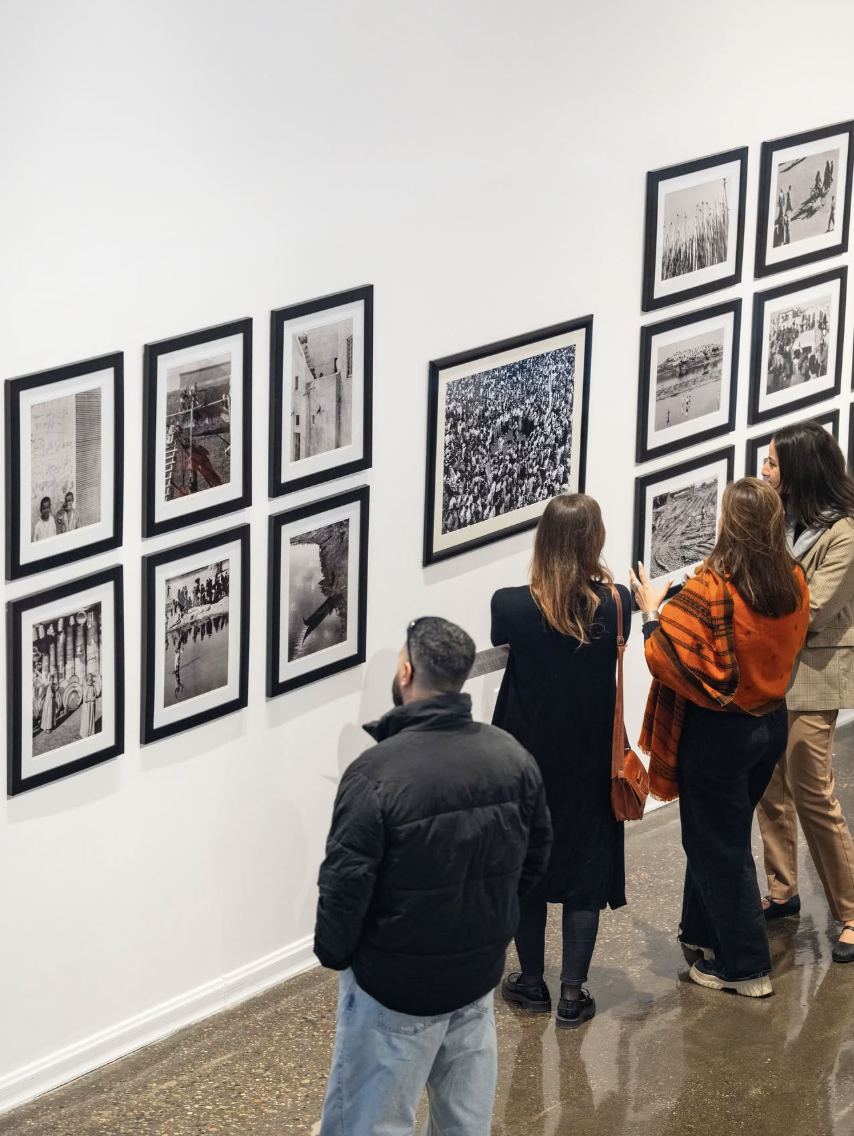
While the MENA region is known for its artistic hubs, Iraq - with its ancient history - isn’t often thought of as having a serious contemporary art scene. However, Baghdad Photo Week brings contemporary Iraqi photography to the forefront, prompting the rest of the world to see Iraq in a new light. In 2024, Baghdad held its first photo week, under the theme of “water”. Iraq is heavily affected by climate change, with drought affecting almost 40% of the country's land. Once known as a land between two rivers, it is today under threat of erasure as a consequence of dams and the control of tributary rivers by its neighbours. So, in addition to highlighting the talented photography coming out of Iraq, the photo week also put an emphasis into the issues affecting contemporary Iraq today. As the plans for the next Baghdad Photo Week in December 2025 are underway, we spoke with photographer and founder, Aymen al-Ameri, all about it.
How does the photography scene look in Iraq?
Over the past ten years, the photography scene in Iraq has developed significantly. Cameras have become more accessible, and young Iraqis have shown a great passion for photography. This is not surprising, as Iraq has a long history with the medium: photography entered the country very early, much earlier than in many other places in the region. Iraqi photographers have made their mark on the Arab and Middle Eastern scene for decades, and this legacy continues to inspire new generations. As a result, many young people have either become photographers or have taken up photography seriously as a hobby.
How did people receive the first Photography Week last year?
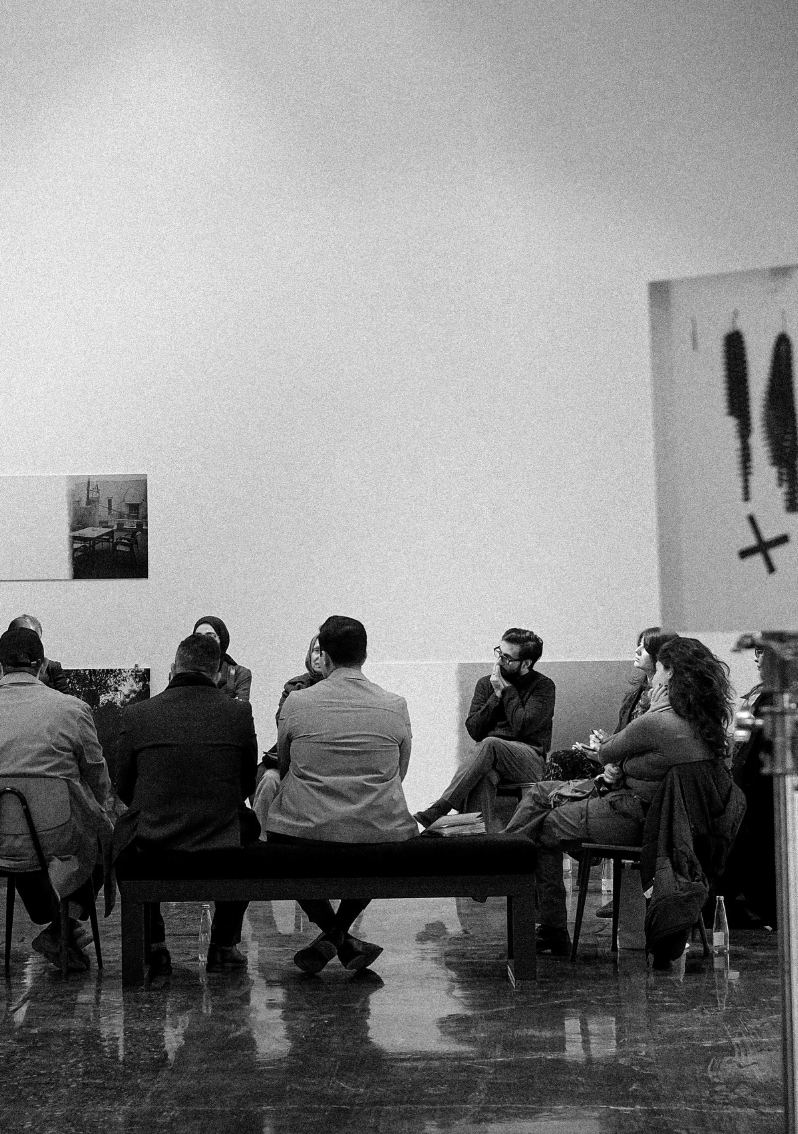
It came as a surprise, even a shock to many. In Baghdad, there has typically been only one photography institution organizing a joint exhibition every year or two. The works shown were usually very classical, simple, and not in line with international developments. In contrast, Baghdad Photo Week focused on ideas rather than just visual aesthetics. I selected long-term and short-term projects, photo series, and documentary photography. For many Iraqi photographers and even artists in general, this approach was new or unfamiliar.
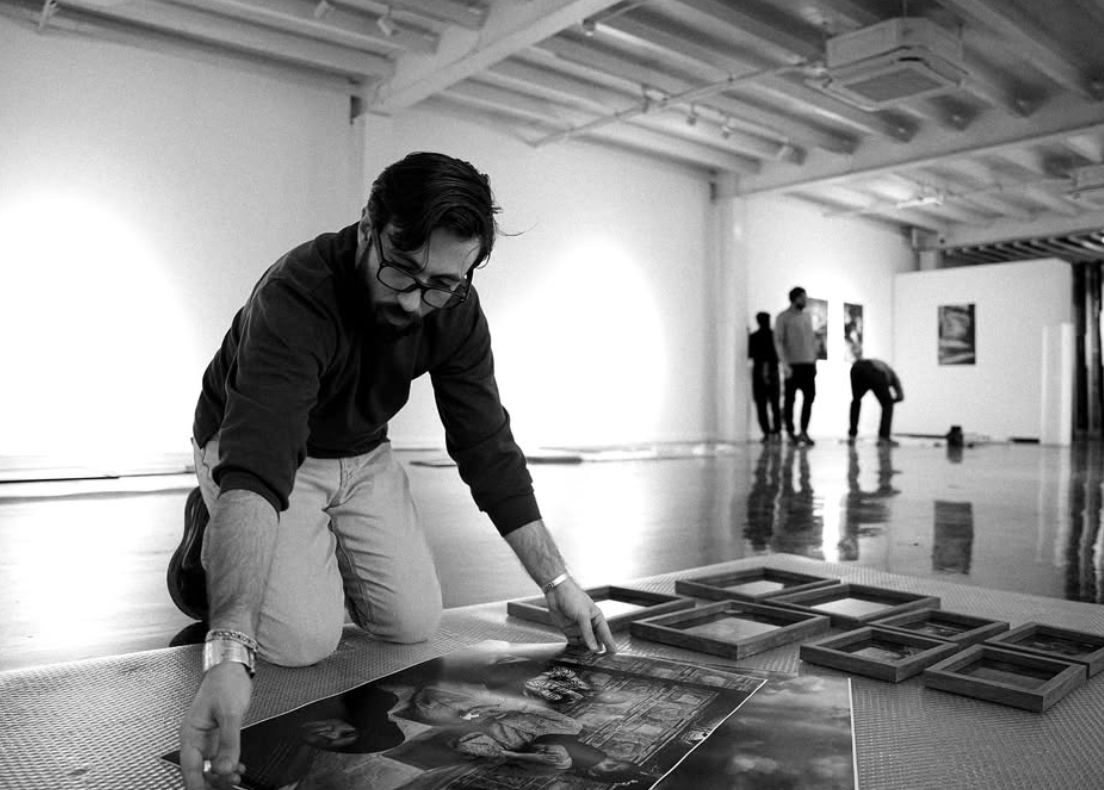
The method of display was also different: each project was presented in its own way, using different paper types, frames, materials, and sequencing to support and enhance the project’s concept. This was a completely new experience, very different from the usual “picture beside picture” format which is not wrong, but we wanted to keep pace with contemporary practices and present work in ways that communicate the ideas more effectively to audiences.
Why is this the right time to highlight photography in Baghdad?
Because Iraq is rich with talent, youthful energy, and untold stories that deserve attention. The country has gone through decades of upheaval from the American invasion to terrorism, civil war, and the fight against ISIS which has shaped how the world sees Iraq. The image has often been overwhelmingly negative. But the reality is more complex: there is vibrant life, resilience, culture, and hospitality. Photography, and art more broadly, can reveal this overlooked side of Iraq to the world.
What inspired the theme of “Water”?
In recent years, Iraq has become one of the five countries most affected by climate change. Severe drought has impacted nearly 40% of its land, compounded by upstream dams on the Tigris and Euphrates in Turkey and Iran’s control over tributary rivers. Mesopotamia, once known as the “land between the rivers,” was home to the world’s earliest civilizations. Today, the very existence of its people and its unique biodiversity are under threat of erasure. This is why I chose water as this year’s theme to highlight how what once gave life to civilization is now endangered.
Do you think there is something distinctive about Iraqi photography?
Absolutely. Photography in Iraq has a unique, deeply emotional, and human quality. Most Iraqi photographers focus on portraying the suffering around them, which is inseparable from their own lived experiences. This stems from decades of hardship: the Iran-Iraq war, the years of dictatorship under Saddam Hussein, economic sanctions, torture, executions, mass graves, and beyond. These histories have shaped a photography style that is raw, empathetic, and profoundly moving.
Which Iraqi artists should we follow?
It is not easy to list specific names, but most active Iraqi photographers today can be found on social media platforms, particularly Instagram, where they share their work and connect with audiences both locally and internationally.
What do you hope people take away from Baghdad Photo Week?
There are many things I hope for. For audiences, my goal is not necessarily that they “learn” something, but that they think, ask questions, and engage in discussions. Iraq has many stories that are not clearly visible, and sharing them with the public can spark awareness, reflection, and dialogue which in itself would be a great achievement.
For Iraqi photographers, I hope the event offers an opportunity to connect with experienced international photographers, learn from their practices, and see how stories are told elsewhere. This exchange can help elevate local projects to a level where Iraqi stories are presented more effectively not only to Iraq and the Middle East, but to the wider world.