A Glimpse Into the North African Art Scene
Insights from the art crowd in Morocco, Algeria, Libya, Tunisia, Sudan and Egypt
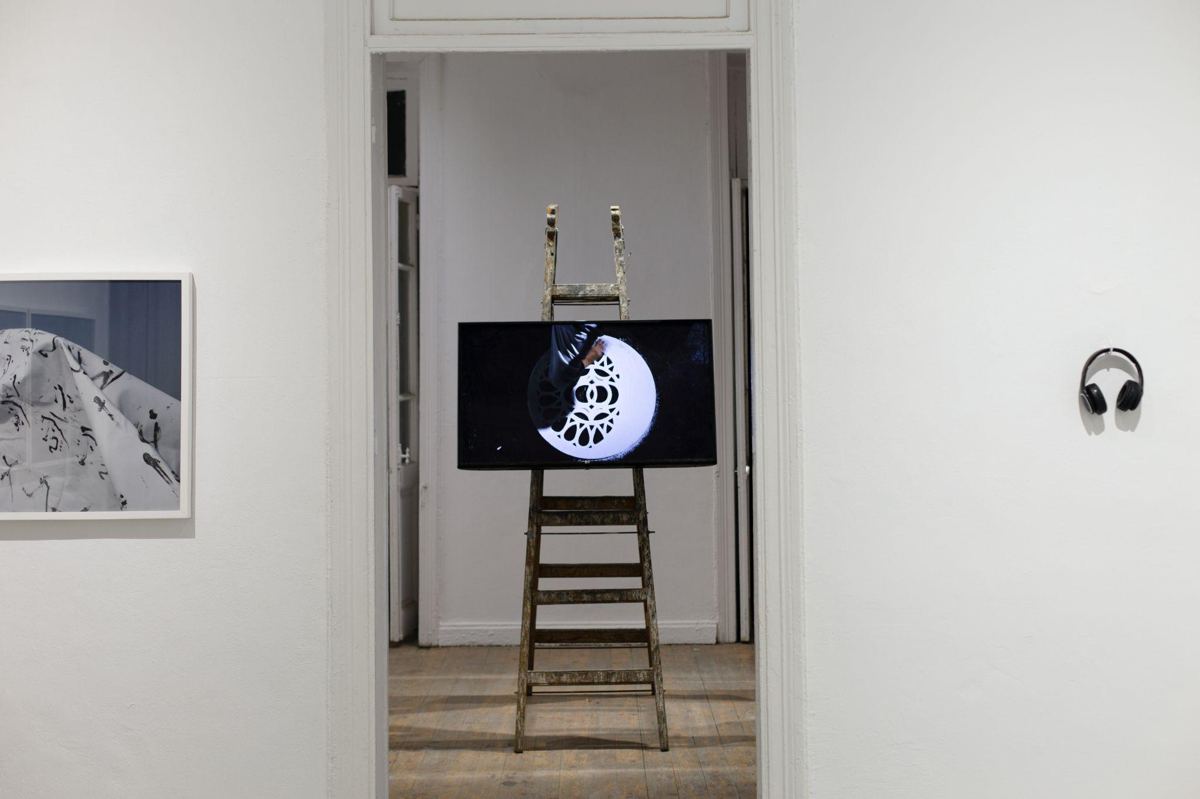
North Africa has given us the likes of Hassan Hajjaj (Morocco), Rachid Koraichi (Algeria) and Kamala Ibrahim Ishag (Sudan). It was also home to the Casablanca School, Groupe Art et Liberte, artists like Baya and Mohamed Melehi and many, many others. What’s more, Egyptian artist Mahmoud Saïd is one of the highest ever selling Arab artists at auction, with his painting of whirling dervishes going for $2.546 million at Christie's Dubai in 2010. And the next generation of contemporary artists from North Africa are making waves too. Nada Elkalaawy, Tewa Barnosa and Mous Lamrabat are just some of the young artists making a name for themselves in the region and beyond. So, let’s take a look at just how exciting the North African art scene is right now.
Yemeni artist Afraa Ahmed moved to Cairo from Malaysia in April 2021, which she says has had a significant impact on her practice. “I can confidently say that I’ve become more engaged and immersed in my work since being here”, she says, “Whether it’s the unique ambiance, the vibrant energy, or returning to a place that feels somewhat like home, Cairo has inspired me in many ways. I consider it my creative "kitchen" or "lab", a place where I freely explore and experiment. It’s here that I feel more liberated to try new things and see where they lead me.”
Cairo is home to a number of museums and galleries, including Medrar, Darb1718, Access Art Gallery, and Tintera. “The art scene in Egypt is vibrant and dynamic. I appreciate how unique it is, constantly offering something new and different, which keeps everyone involved in the scene, from artists to curators, critics, and intellectuals, motivated to create more”, adds Ahmed, “Even with limited opportunities and resources, the community remains driven. People here are passionate about what they do and continue to push forward, regardless of the economic challenges that arise.” And in terms of artists to have on our radar, she recommends Nourhan Maayouf, Melania Partamian, Mohamed Abu Gabal, and Fatma Abodoma among many others.
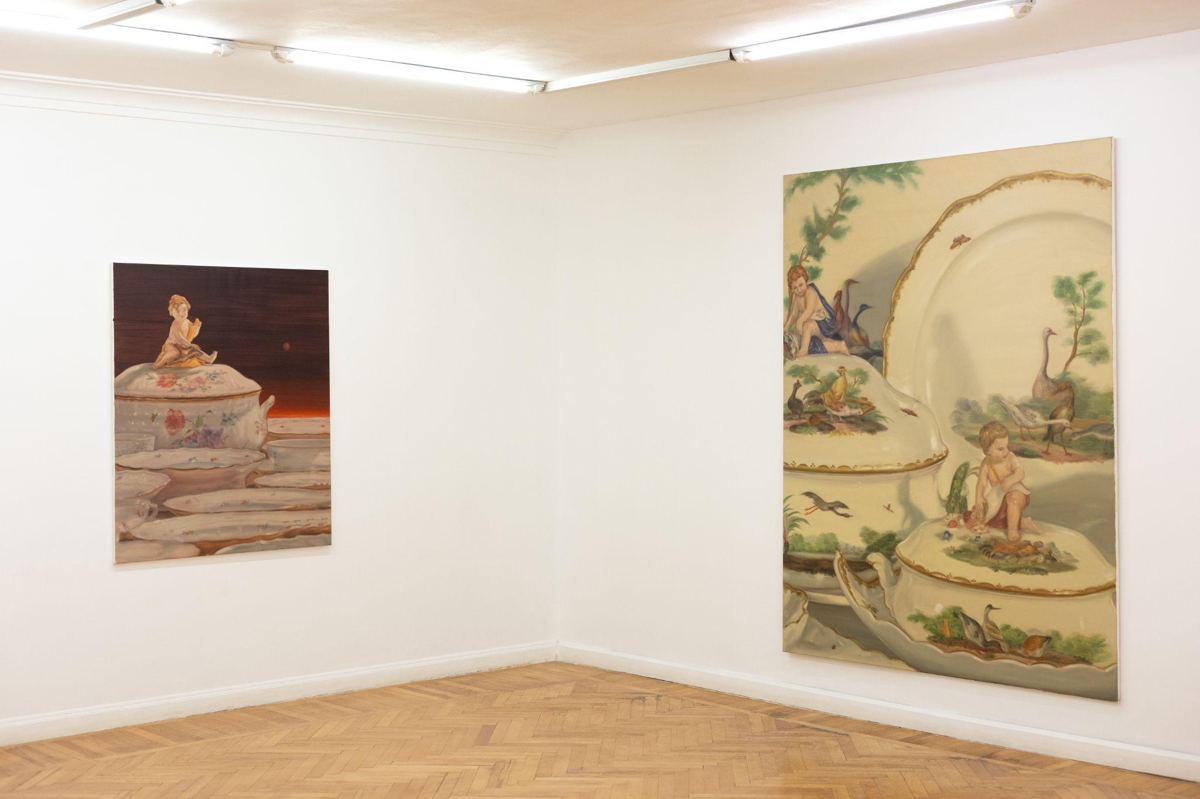
Alexandria born artist Nada Elkalaawy agrees that the Egyptian art scene is ever-evolving. “Over the past four years, new media arts and performance art, particularly fused with contemporary dance, have gained popularity”, she says, “Photography, spanning digital, film, conceptual, and documentary forms, has also seen increased interest, evidenced by festivals like Photopia’s photo weeks, Cairotronica, and the Cairo Video Festival by Medrar. However, the closure of numerous spaces in the last five years has significantly impacted the community, reducing opportunities for exhibitions and funding. Alternative educational programs such as MASS Alexandria, Studio Roznama, and Studiokhana are no longer operating, leaving a gap in similar models. Despite challenges such as limited funding and censorship, the scene thrives on grassroots energy, with independent galleries, art collectives, workshops and pop-up exhibitions that foster creativity and dialogue. Most artistic activities are concentrated in Cairo and Alexandria, leaving little presence in other areas. I’d also like to add a mention of the Alexandria Biennale, which will be returning in 2026 after a 12-year hiatus, an exciting development that will hopefully bring renewed attention to Egypt within the contemporary art world.”
That said, there are a number of exciting initiatives being born out of Egypt, including K-oh-llective, which Nada founded with Engy Mohsen, Rania Atef and Mohamed Al-Bakeri. She also cites Nasa4nasa, Esraa Elfeki, Hend Samir, Yasmine ElMeleegy and Basim Magdy, as artists and initiatives that we should have on our radar. In addition, she recommends readers visit Gypsum Gallery, CIC (Contemporary Image Collective), Medrar and ARD Art Institution.
Heading to Algeria, we spoke to curator Toufik Douib, founder of the UK-based Algerianism project. “The Algerian art scene is rich and complex, probably because it is shaped both by a layered history and a vibrant youth culture”, he explains, “Within Algeria, artists may navigate limited institutional support/spaces, but continue to create powerful and often politically/socially engaged work across disciplines - namely visual/digital arts, film, performance. Social Media is a vital source for freedom and connections for 'DZ' artists.” “DZ” generally relates to Algeria.
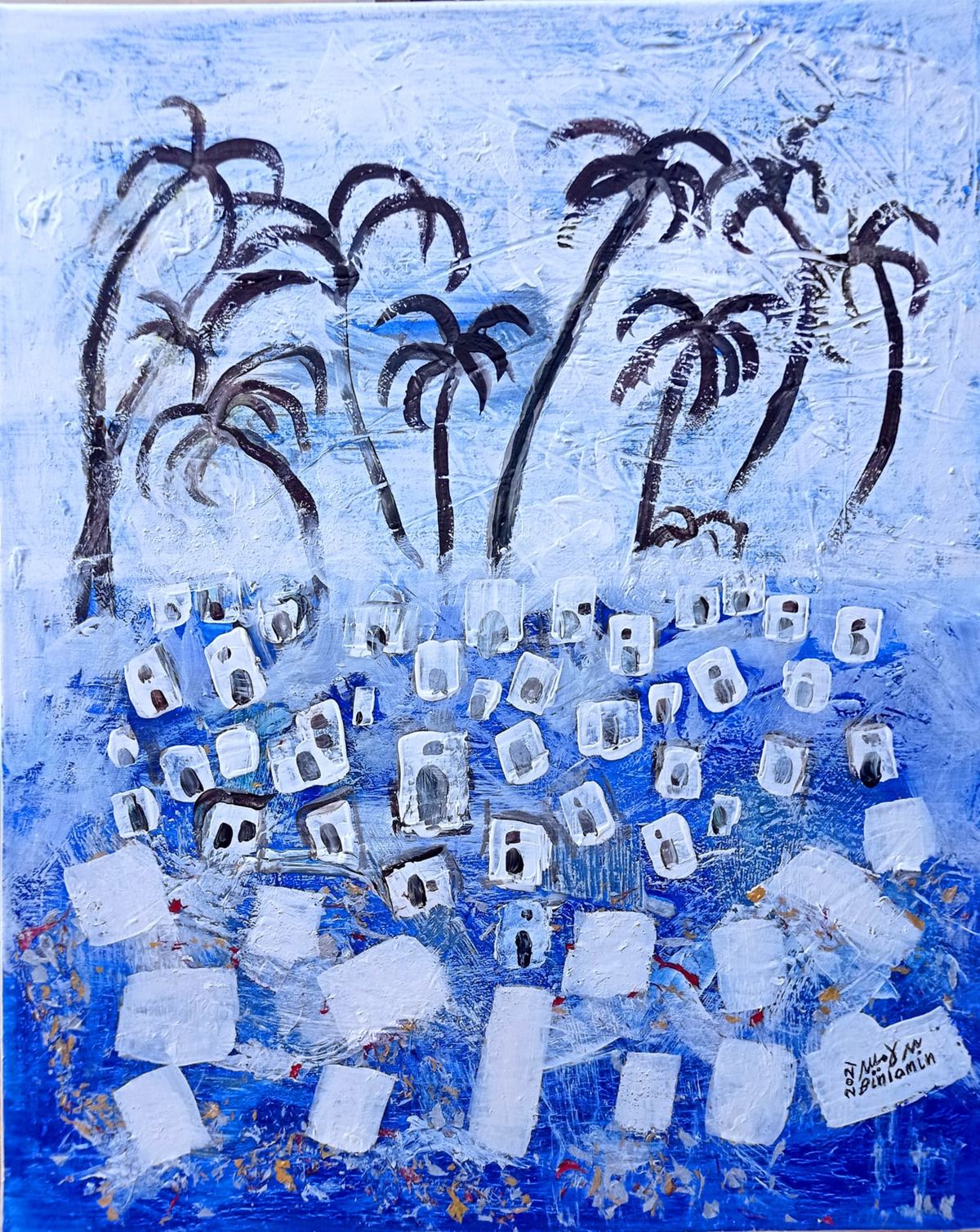
He lists a number of Algiers-based spaces that we should know about including Rhizome, Mon Autre Ecole, Les Ateliers Sauvages, Collectif Box24 and Artissimo. Toufik also suggests we pay close attention to Sofiane Zouggar, Meryem Meg and Nabil Djedouani.
Moving now to Marrakech. Perhaps the best known art fair from North Africa is Morocco’s 1-54 fair, which now also has editions in London and New York. Founded in 2013, the fair draws its name from the 54 countries that constitute the African continent. And, while Marrakech is probably most famous for Yves Saint Laurent’s Jardin Marjorelle, there is so much more to the city than that. There’s the MMVI Mohammed VI Museum of Modern and Contemporary Art in Rabat, as well as Marrakech Museum for Photography and Visual Arts (MMP+) and the Museum of African Contemporary Art Al Maaden (MACAAL) in Marrakech. There are also a number of contemporary art galleries including Gallery SINIYA28 and MCC Gallery. There is also LE 18, a residency space that also hosts exhibitions and other art events. Contemporary Moroccan artists to watch include Amina Agueznay, Mounir Fatmi, Safaa Erruas and Omar Mahfoudi among others.
Meanwhile, Tunisia is home to a number of galleries and institutions, including the Kamel Lazaar Foundation, which recently launched B7L9 Art Centre, a contemporary art space in Bhar Lazreg, a rural suburb of Tunis. In addition, there are a number of other spots to experience contemporary art in Tunis, including 32 Bis, the Association for Contemporary Art in Tunis and La Boite, centre for contemporary art. Tunis is also home to a number of commercial galleries too, including Selma Feriani and Elmarsa.
Tunis hosts its own biennial, Jaou, which took place last year, hosting its seventh edition under the theme "Art, Resistance, and the Reconstruction of Futures". The 2024 edition featured the contributions of over 60 artists from across the Global South. “Tunisia is home to a vibrant generation of young, exceptionally talented artists who work freely across mediums, unbound by traditional constraints. Their practice is marked by fearless experimentation and a strong command of contemporary technologies”, says Taous Dahmani, curator of the 2024 Jaou Biennale, adding, “It’s frustrating to witness how little attention the international art world pays to their work. At the same time, a more established generation of artists also remains under-recognised and deserving of far greater visibility.” She further recommends us to check out a number of Tunisian artists, including Zied Ben Romdhane, Nadia Kaabi-Linke, Bachir Tayachi, Oumayma Ben Tanfous, Hichem Driss and Kmar Douagi.
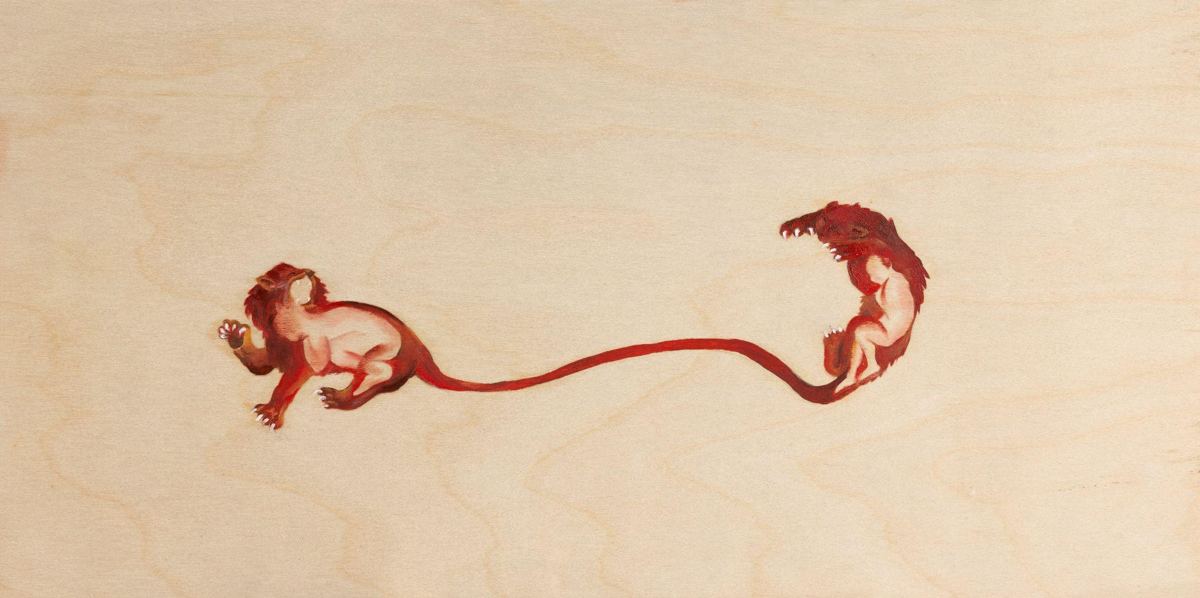
A North African country that is perhaps not so well known for its art scene is Libya, but there are many artists working both inside and outside of the country. “In the years since the 2011 revolution, Libya’s art scene has undergone a quiet but powerful transformation. What was once a space constrained by censorship has become a dynamic arena for expression, particularly over the past seven years. Emerging from the shadows of political unrest, a new generation of Libyan artists is confronting long-silenced topics, gender, politics, and conflict, through subtle, often poetic critique”, explains Najlaa El Ageli, curator and founder of Noon Arts Project.
Despite being mostly associated with conflict, Libya has always produced at. “[It] has become a vital conduit for reflection and dialogue”, adds Najlaa, “It acts as a bridge, linking communities to their collective past and opening space for discourse about the future. Increasingly, artists are turning to archival materials and research-based practices, not only to preserve memory but also to question and reshape the national narrative.” Moreover, the last decade in particular has seen cultural activity in Libya grow steadily through the assistance of NGOs and privately funded foundations, ensuring public exhibitions become more frequent.
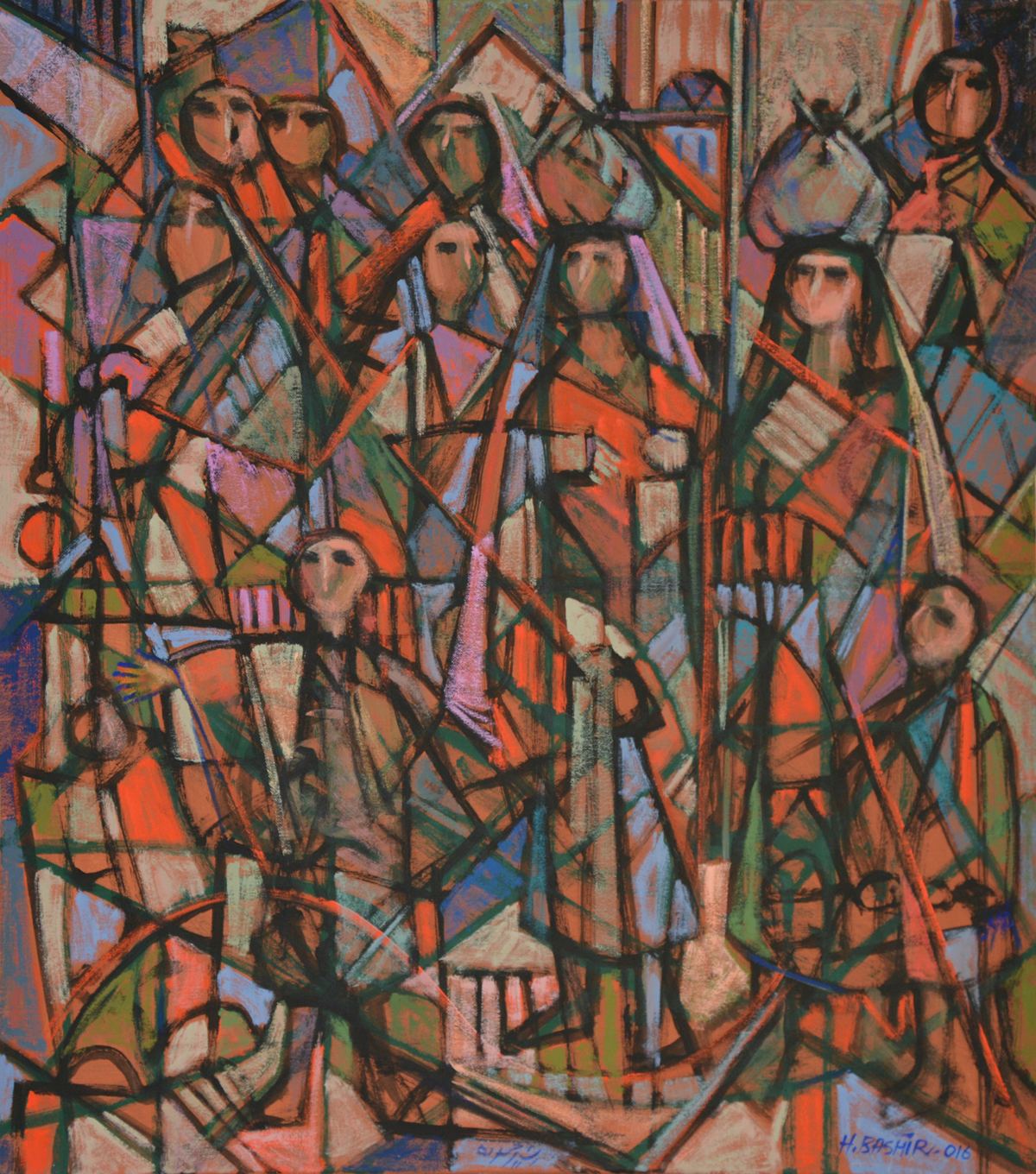
Excitingly, Najlaa explains that there is a younger generation of artists leading the charge, working with digital media, audiovisual installations and cross-disciplinary forms. “Figures like Tewa Barnosa, Tasneem Sarkez, Shefa Salem, Alla Abdulnabi, and Malak Elghuel…their work is unapologetically contemporary, pushing the boundaries of form while diving deep into Libya’s layered socio-political realities”, she explains, also stressing the importance of the work of veteran artists like Bashir Hamouda, Yousef Fetis and Hadia Gana, who are reflecting on Libya’s recent history with a contemplative gaze. “Their work is grounded in the historical and emotional weight of the past decade”, Najlaa explains, “Often focusing on the anxieties, hopes, and ruptures that have shaped Libyan society since the revolution.”
There are also a number of active art spaces in Tripoli including Bayt Ali Gana, Eskender Arts House and The Art House, as well as Barah Art Space in Benghazi. Of the artists living and working in Libya, Najlaa recommends us to check out Yousef Fetis, Hadia Gana and Mohammed Bin Lamin. “Conflict, whether direct or peripheral, has touched nearly every Libyan artist in some form”, adds Najlaa, “This shared experience runs through their work, not as a singular narrative, but as a mosaic of personal truths. The result is a powerful and original body of work that speaks to both trauma and resilience. Individually diverse yet collectively resonant, these artists are shaping the voice of contemporary Libyan art, and with it, the cultural identity of a nation in flux.”
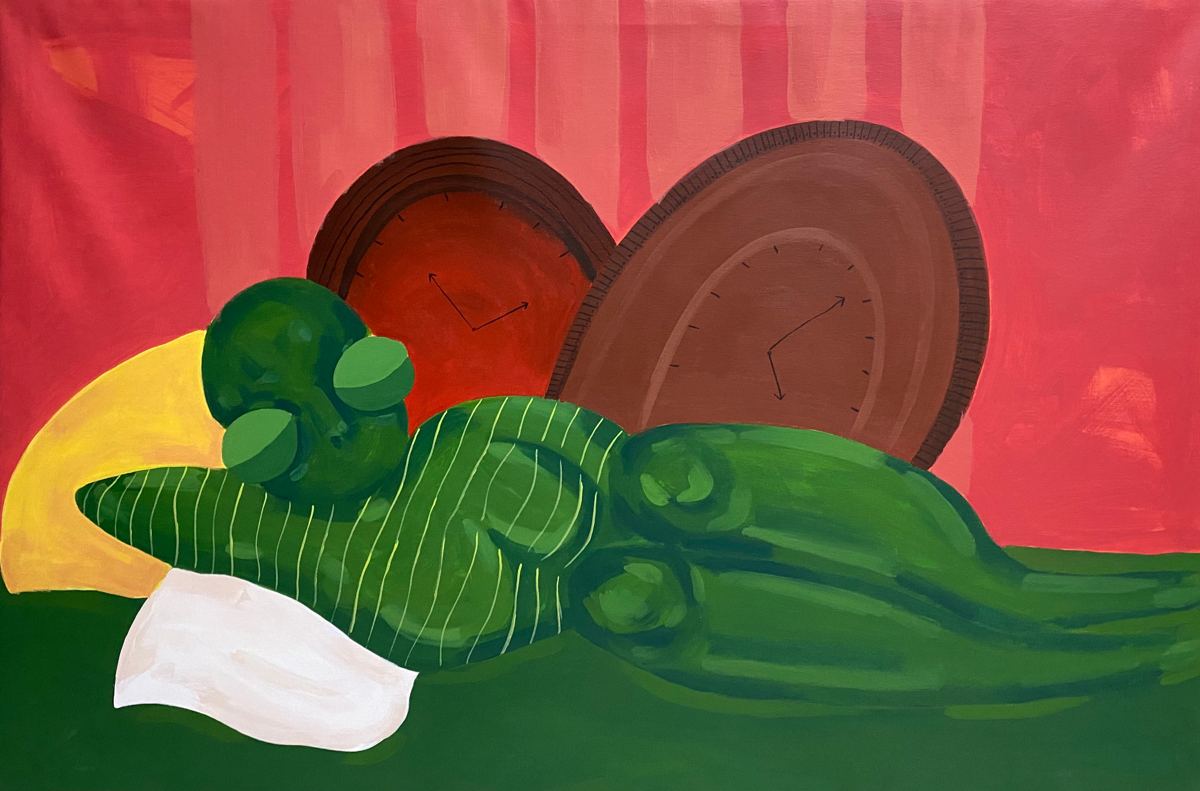
Sudan’s art scene has also been affected by war, but artists are still finding a way to make work despite it all. “The past six years in Sudan have been the most turbulent in the country’s history. Yet there has been a huge rise in the artistic scene in the capital, Khartoum, up until the war erupted in April 2023”, says Sudanese artist Reem Aljeally, who is currently based in Cairo. She explains that the 2018 revolution changed the entire art scene, as artists were able to express themselves more freely with the change in regime, describing art as “being at the front row of the uprising.”
“There were a lot of political and social changes that have led to bigger opportunities and less restrictions for artists”, she explains, “Institutionally, there has been a lot of art spaces opening a lot of organizations working within the field including painting, photography, and filmmaking. Even community shifts occurred in how the people were perceiving art, so I would say the period before the war saw the art scene boom.”
Reem mentions a few Sudanese galleries that are still operating, many in a hybrid format, since the war, including her own project, The Muse multistudios. In addition, there is Dara Art Gallery and Mojo Gallery, although many are not operating at the moment. “I can say that the past few years have seen a lot of shifts and a lot of prosperity and it continues even in exile, as artists continue to create in different areas”, she explains, “For example there’s a huge artistic community in Kenya now and a lot of the artists are now creating in Cairo and able to participate in exhibitions and be part of the local art scene here.” Amongst many artists she says we should have on our radar, she cites Yasmeen Abduallah, Amna Elhassan, Elhassan Elmuontasir, Ala Khier, Khalid Abdalrahman, Tibian Bahari and Mohamed Hamid.
It seems that there really is a lot of art coming out of North Africa, and we only need to open our eyes a little wider to fully take it in and experience all of the creativity coming out of the region.
More from News
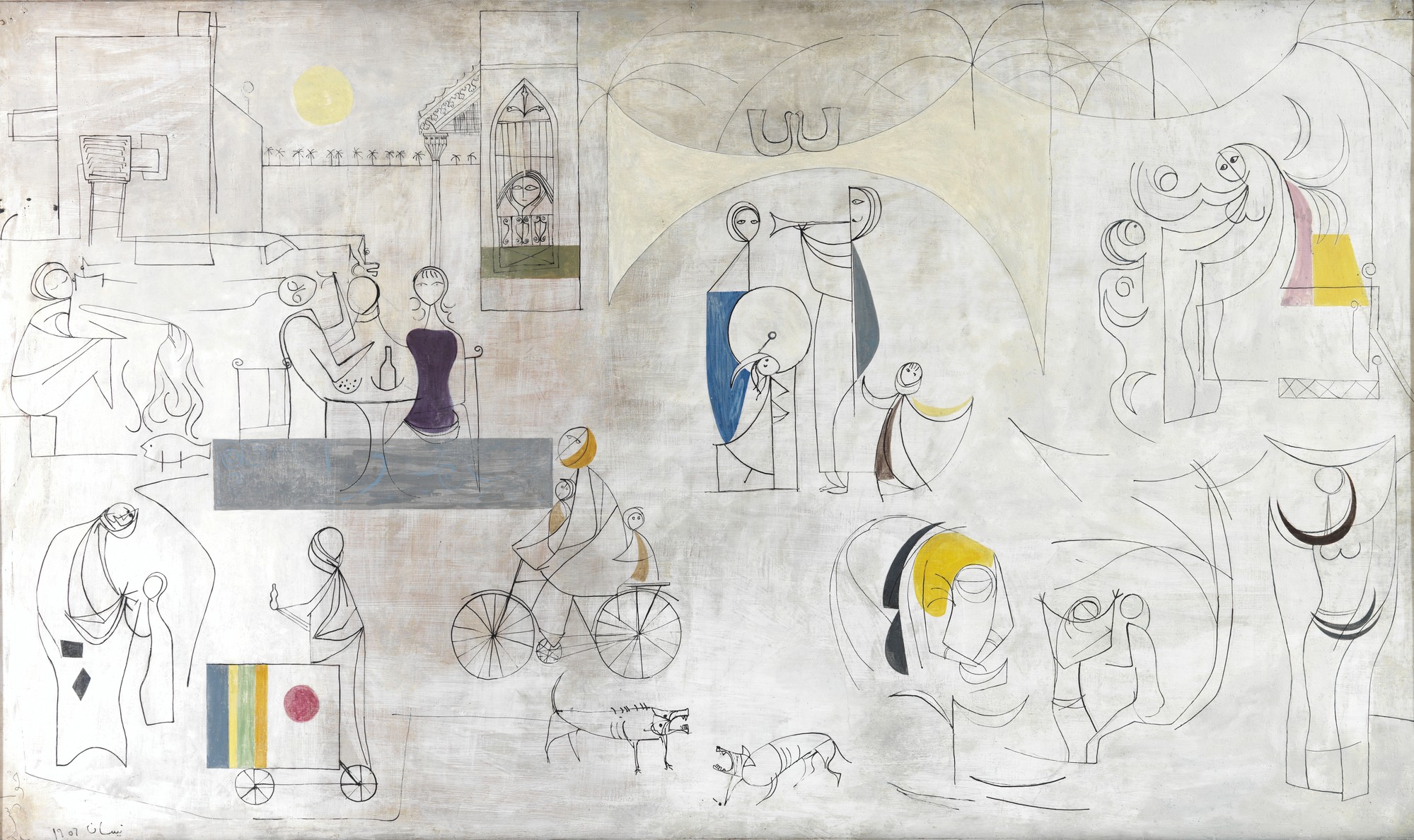
10 Institutional Exhibitions Opening in the MENA Region This October
From the Baghdad Modern Art Group at Mathaf to Salah Elmur at Jameel Arts Centre and a moving image biennale in the Medina of Tunis, here are the museum and art centre shows opening across the MENA region this October.
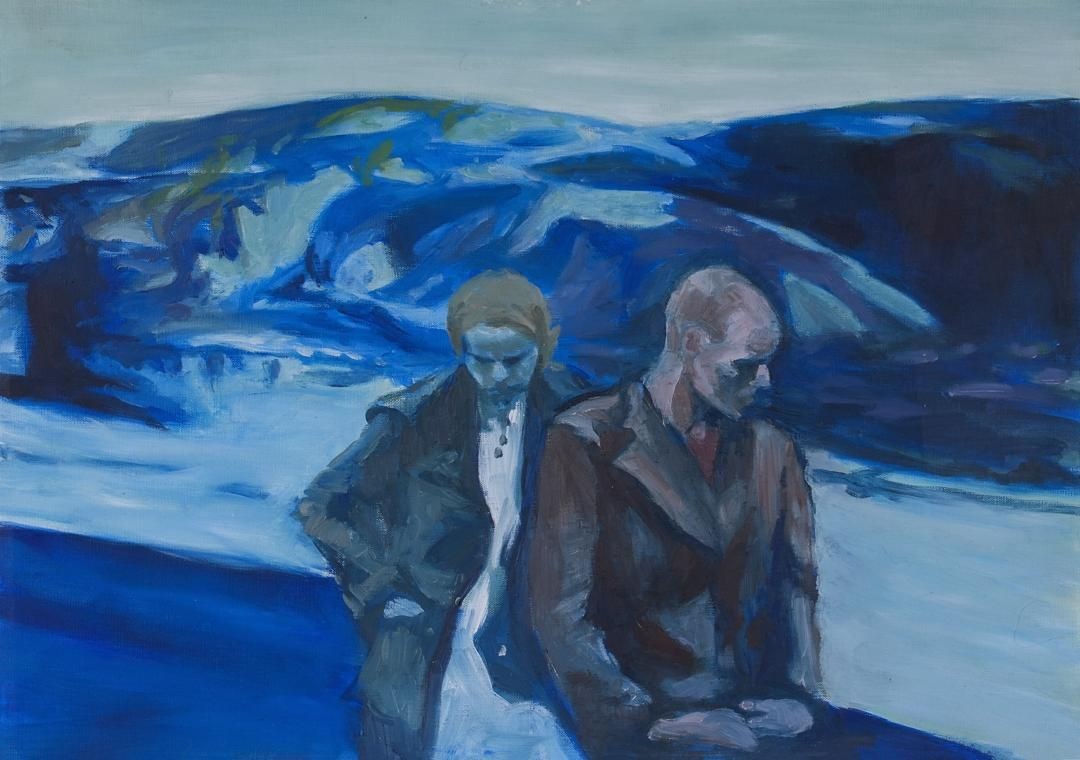
Why Did Contemporary Iranian Art Sell for £200 in London This Month?
Twenty Tehran galleries sent close to 200 works to Ab-Anbar in London, priced from £200 to £3,000. We look at what the show tells us about the market for art made in Iran today.
ArtZone Palestine Amplifies Palestinian Voices
Amidst the seemingly neverending destruction and devastation in Gaza, the MENA art world - and generally many artists across the world - have not been shy about amplifying Palestinian voices. A number of exhibitions a…