11 Modern Artists From the MENA Region You Should Know
If you only know a handful of artists from the region, it should be these
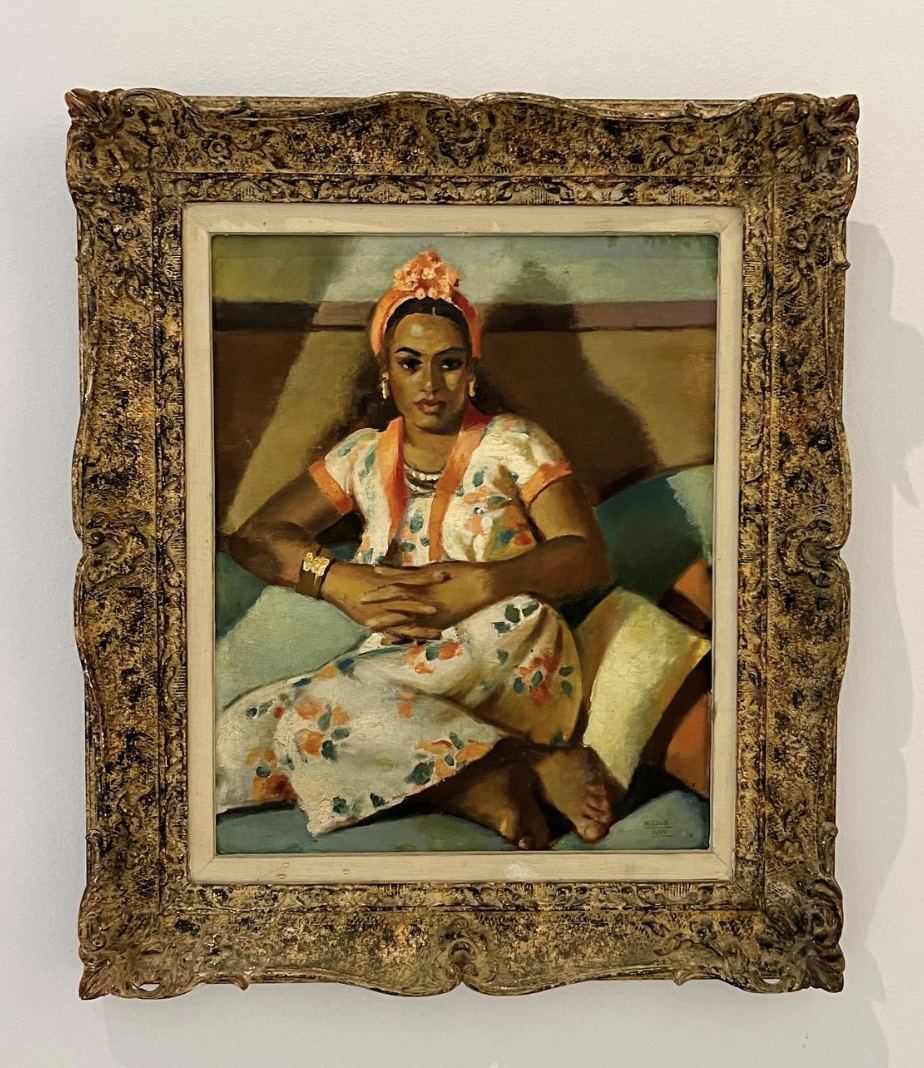
From Cairo to Casablanca, Beirut to Baghdad, modern artists from the MENA region have played a vital, though often overlooked, role in the modern art scenes of their countries. Working through decades marked by colonialism, independence movements, wars, and sweeping social change, these artists developed bold new artistic languages. Their work doesn’t just reflect the political and cultural shifts of the time in the region, it also challenged, critiqued, and redefined them. Today, a growing number of curators, collectors, and institutions are finally recognizing the depth and innovation of the MENA region’s modern art scene. In this article, we spotlight the pioneering figures whose work has left an indelible mark on both regional and international art history.
Mahmoud Saïd (1897-1964)
Mahmoud Saïd is considered to be the founder of modern Egyptian painting and is one of the most successful Arab artists at auction, with his painting “The Whirling Dervishes” selling for $2.5 million at Christie’s in Dubai in 2010. Born into an aristocratic family in Alexandria - his father, Mohamed Saïd Pasha was even Egypt’s Prime Minister, and he was also uncle to Queen Farida of Egypt - he initially pursued a legal career, even becoming a judge. Painting was just a hobby for him, but at the age of 50 he retired and turned to art full time. His father became Prime Minister when he was a child in 1910, and he was home schooled with local and international teachers, enjoying private art classes with Italian painters. His style has been called “intrinsically Egyptian”, having been inspired by the day-to-day lives of the people around him. It is also noted that he started painting not long after Egypt’s independence from Britain in 1922, a time in which nationalism was rising in the country. He had exhibited several times internationally including at New York's Rockefeller Centre and four times at the prestigious Venice Biennale. He painted over 400 paintings, including many depictions of female nudes. Following his death, his home was turned into the Mahmoud Said Museum in Alexandria.
Saloua Raouda Choucair (1916-2017)
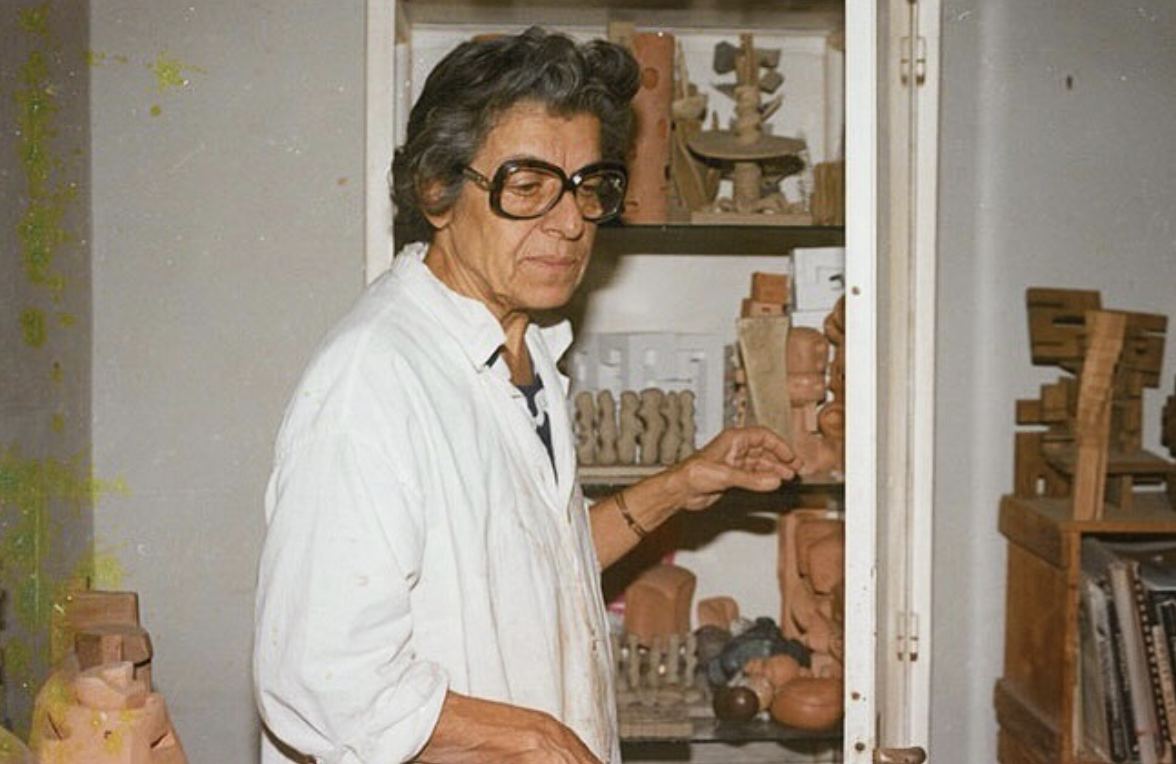
Lebanese artist Saloua Raouda Choucair was largely self-taught and had a deep fascination with Islamic art and architecture. Having had a multidisciplinary career, she is considered to have held the Arab world’s first abstract painting exhibition at the Arab Cultural Gallery in Beirut in 1947. Following this groundbreaking exhibition, she decided to give herself more artistic exposure, moving to Paris in 1948 to study at the prestigious École Nationale des Beaux-Arts. By 1950, she transitioned to sculpture, which she is primarily known for today. Her sculptural style consists of modular, interlocking forms which are inspired by Islamic geometry and architecture, often exploring repetition and rhythm to reflect the principles of Arab design and poetry. Her sculptures incorporate both the concept of infinite reproducibility and precise geometry, symbolising unity and multiplicity. Choucair gained global recognition later in life when the Tate Modern in London hosted a major retrospective of her work in 2013. Her work is now also in the collections of significant institutions including the Louvre Abu Dhabi.
Mohamed Melehi (1936-2020)
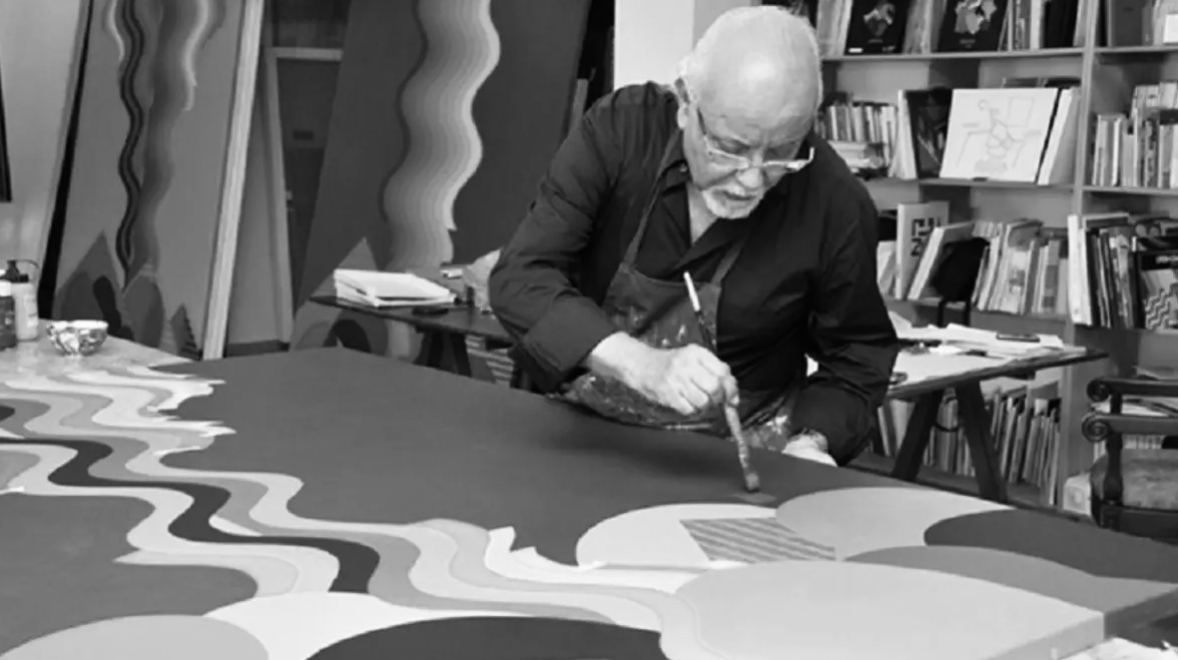
Moroccan artist Mohamed Melehi is perhaps known for his wave-like paintings, which blend abstraction with Islamic aesthetics. He was a central figure of the Casablanca Art School (1962-1987), playing a major role in defining postcolonial Moroccan art. He had an international education, studying in Spain, Italy and France before attending Columbia University in New York thanks to a Rockefeller Foundation scholarship. The waves in his painting are inspired by the Atlantic Ocean near his hometown of Asilah and are also a reflection of natural elements found in both Berber crafts and Islamic art. Melehi’s wave-like forms are also said to symbolise the human quest for connectivity and renewal. In addition to making art, he also taught and promoted it too, co-founding the Casablanca Art School with Farid Belkahia and Mohamed Chabâa, with the aim of integrating Moroccan visual traditions into modern art. Through this he organised several exhibitions and also co-founded the Asilah Arts Festival in 1978 with Mohamed Benaïssa. The festival turned Asilah into a cultural hub and is still ongoing today. His work is now part of major institutions including MoMA in New York, the Centre Pompidou in Paris and Doha’s Mathaf.
Baya Mahieddine (1931-1998)
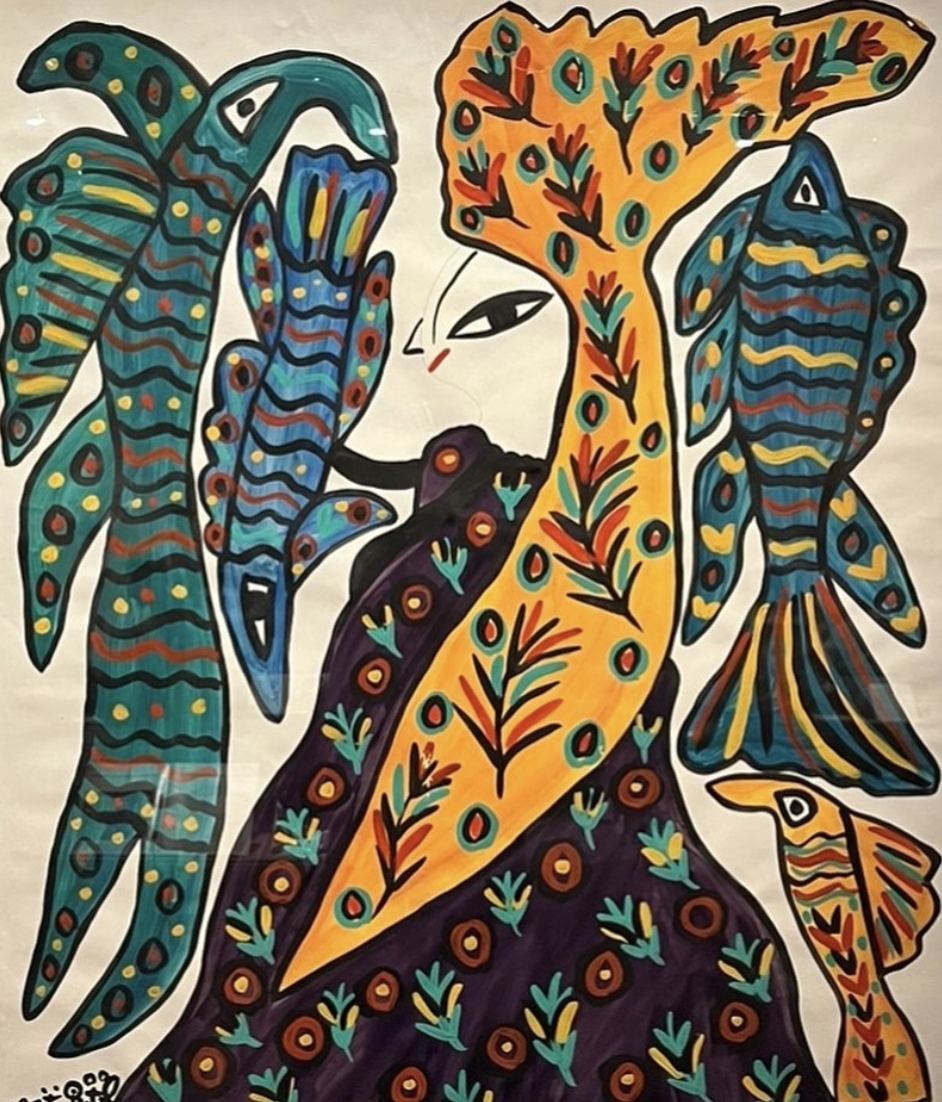
Known simply as “Baya”, the self-taught Algerian artist had her first solo exhibition in Paris at just 16. Baya - who was actually born Fatima Haddad - was born to a poor Kabyle family and was orphaned at the age of five. She was later cared for by a French woman named Marguerite Caminat at the age of 11. This relationship is disputed as some have argued that Baya was treated like a servant. While these claims are open to debate, Caminat did support Baya’s artistic endeavours. In fact, Caminat was connected to the art world, being visited by art dealer Aime Maeght, who invited Baya to exhibit in Paris as a teenager. This 1947 exhibition was even visited by the likes of Andre Breton and Pablo Picasso, who she collaborated with in his pottery studio in Vallauris, France. Most known for her paintings of surrealist-like figures and floral motifs, she also made ceramics. She didn’t paint at all between 1953 and 1963 - the period of the Algerian war - during which time she gave birth to six children. Following this period she returned to painting, exploring themes of femininity and nature. Her work has now been exhibited in major institutions including at the Sharjah Art Museum and the Institut du Monde Arabe in Paris.
Paul Guiragossian (1926-1993)
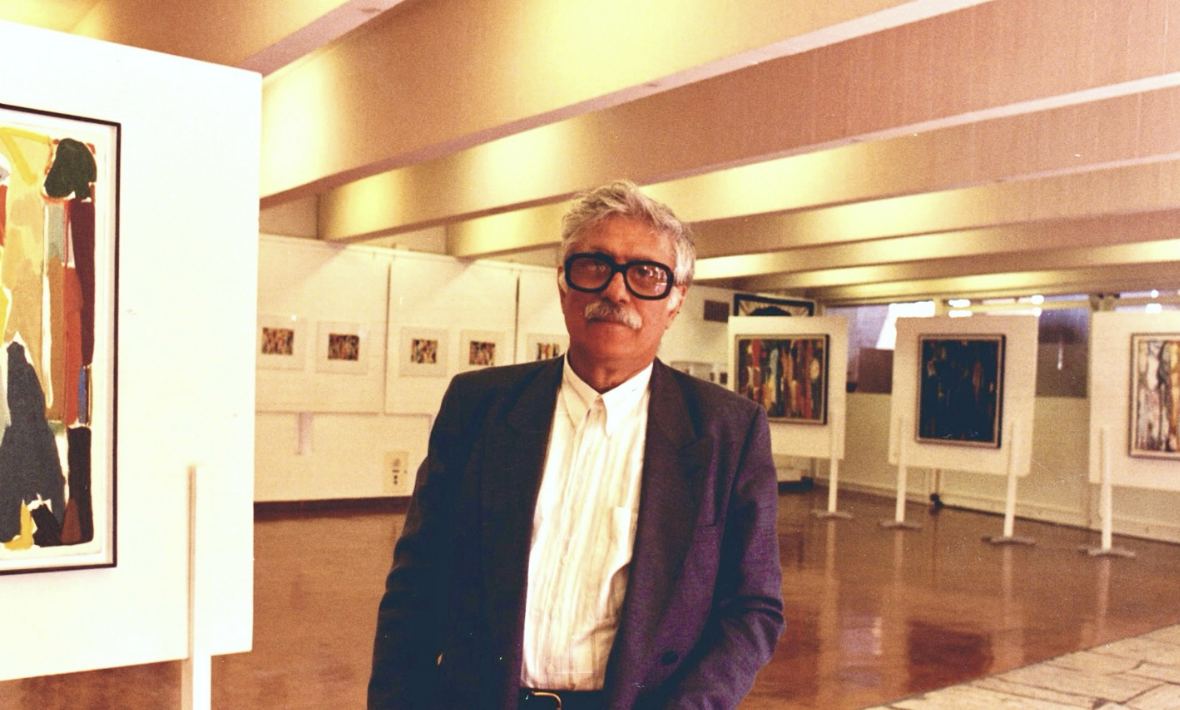
Armenian-Lebanese painter Paul Guiragossian is widely credited as having a profound impact on modern art in Lebanon. He is known for his elongated depictions of the human form and use of bright colours, and for tackling themes of exile, resilience and identity. His work often features groups of long, faceless, figures as a visual expression of both displacement and hope; these figures became more abstract over time. Guiragossian was born in Jerusalem to parents who had survived the 1915 Armenian Genocide, moving to Jaffa in the early 1940s where he studied painting at Studio Yarko. In 1948 his family relocated to Beirut, settling in the Armenian area of Bourj Hammoud where he worked as an illustrator and taught art in Armenian schools. Eventually he began exhibiting his works in Beirut and later across the globe. He won a number of scholarships to study in Florence and Paris. In fact, he was the first ever artist to have a solo exhibition at Paris’ Institut du Monde Arabe. His work is in the collection of the British Museum, Centre Pomidou and Mathaf Modern among others.
Monir FarmanFarmaian (1922-2019)
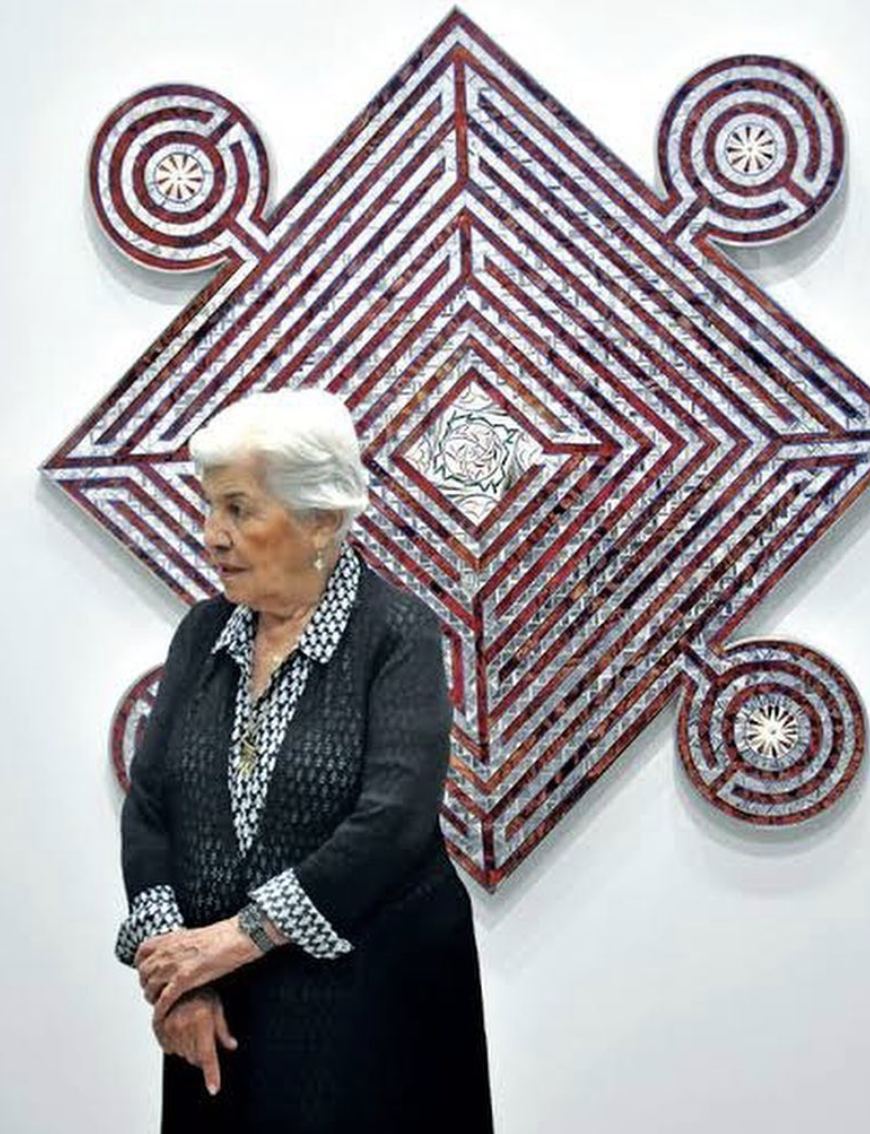
Iranian artist Monir FarmanFarmaian is famous for her work with mirrors. Her intricate geometric mirror mosaics mix modernist abstraction with traditional Persian craftsmanship. The mirror technique used within FarmanFarmaian’s work is known as Āina-kāri, which puts cut-glass into complex patterns. FarmanFarmaian fused Islamic geometry and Western minimalism, exploring themes of repetition and spirituality. Born in Qazvin, Iran, she studied at the University of Tehran before moving to New York during the Second World War, where she studied at both Cornell University and Parsons School of Design. During this time in the US she had met with Jackson Pollock and Andy Warhol, but decided to move back to Iran in 1957 where she was inspired by her cultural heritage. She returned to New York in 1979 to visit family. During this time the Islamic Revolution began in Iran and she found herself exiled for over twenty years, though she struggled to create mirror pieces outside of her homeland due to limited resources. She returned to Iran in 1992 and began creating mosaic works again in 2004 with the help of others who she employed to assist her. FarmanFarmaian’s work is now in the collections of the Metropolitan Museum of Art, Victoria & Albert Museum and Museum of Contemporary Art Chicago among others.
Hassan Sharif (1951-2016)
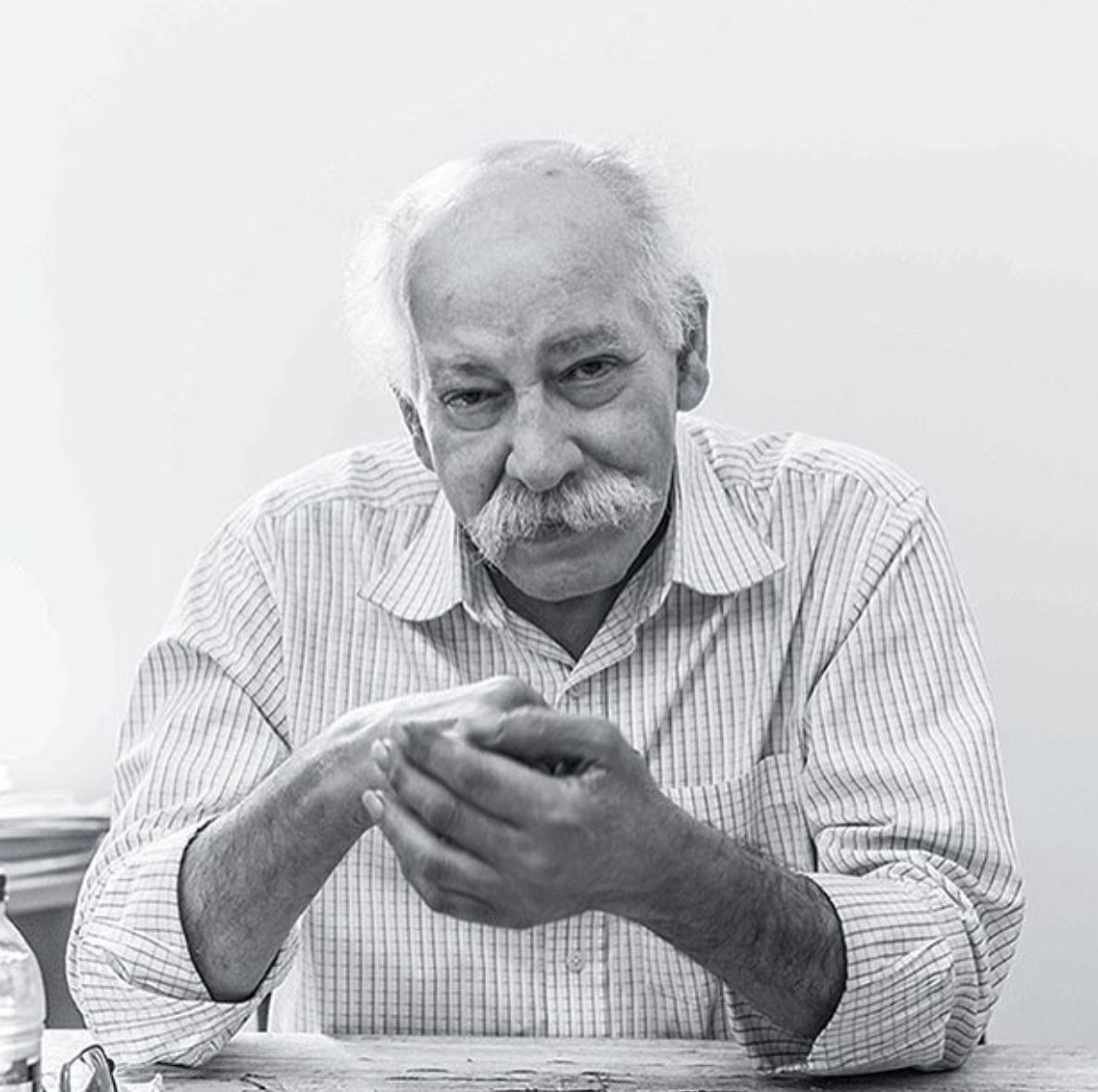
Emirati artist Hassan Sharif is seen as the father of conceptual art in the Gulf. His practice spanned performance, installation and drawing, using art to reflect on the rapidly modernising UAE. Born in Iran, Sharif grew up in the UAE, beginning to make art in the 1970s as a political cartoonist during a time when the UAE was experiencing intense industrialisation and consumerism. By 1979 he sought to expand his artistic education, moving to London to study at the Byam Shaw School of Art (now part of the prestigious Central Saint Martins). His studies in the UK had a big impact on his process and brought his attention to conceptual art. Returning to the UAE in 1984, Sharif began to create works with everyday materials, using scrap metal, fabric and rope to create intricate and repetitive structures in a method that he termed “weaving”. The works were a comment on consumer culture and mass production. As well as making art, Sharif was instrumental in developing the UAE’s art scene, co-founding the Emirates Fine Arts Society in 1980 and the Al Marijah Art Atelier in 1984, which provided platforms for emerging artists. Developing the Emirati scene was a constant throughout his career and he also helped to establish The Flying House in 2007, a non-profit space that remained open until 2011 with the aim of promoting Emirati artists. His work has been exhibited across the globe, including at the Venice Biennale, New York’s New Museum and Paris’ Centre Pompidou.
Fahrelnissa Zeid (1901-1991)
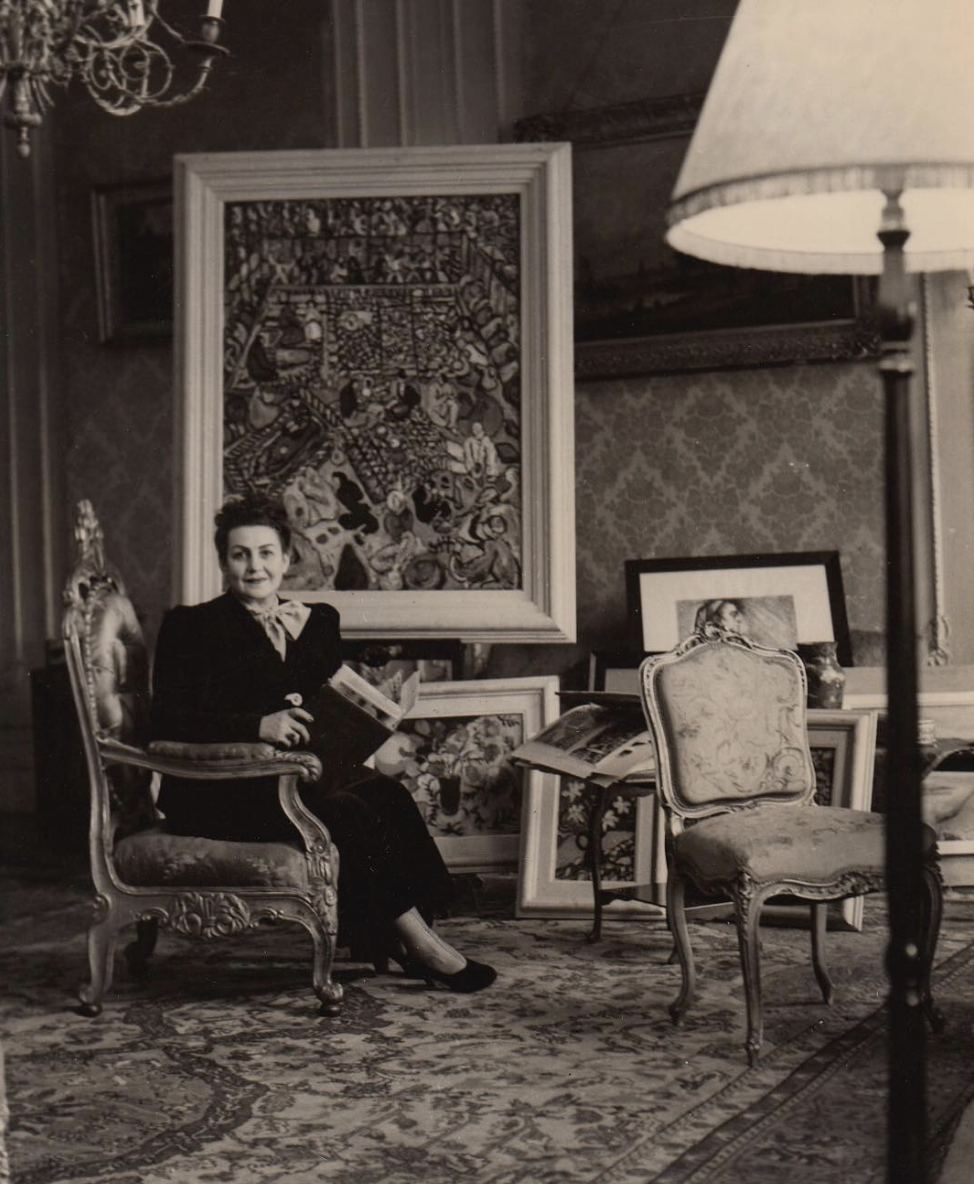
Turkish-born Fahrelnissa Zeid became an Arab princess when she married Prince Zeid bin Hussein, a member of the Hashemite royal family of Iraq. Always interested in art, she enrolled at the Academy of Fine Arts for Women in Istanbul in 1919. A decade later in 1928, she enrolled at Paris' Academie Ranson, returning to Istanbul in 1929, rejecting her academic figurative practice and enrolling at the Istanbul Academy of Fine Arts. Throughout her life, she lived in multiple European cities as her husband was posted across the continent as an Iraqi ambassador. In 1958, Zeid persuaded her husband not to return to Baghdad as acting regent while his great-nephew King Faisal II was on vacation. On 14 July 1958 a military coup in Iraq saw the entire royal family assassinated. Narrowly escaping death, Prince Zeid and his family were given only 24 hours to vacate the Iraqi Embassy in London, halting Zeid’s career. Moving to Paris, where Zeid cooked her first meal at the age of 57, prompting her to begin working with chicken bones both in painting and sculpture. Following her husband’s death in 1970, Zeid relocated to Amman where her son Prince Raad had settled. Here she established her own art school. She is known for both her large scale abstract paintings with kaleidoscopic patterns and her cartoon-like portraits. She has been exhibited in many major institutions including London’s Tate Modern and in 2013 her work “Break of the Atom and Vegetal Life” (1962) sold at Christie’s for $2.7 million.
Mona Saudi (1945-2022)
https://www.instagram.com/p/CkRkFx9swzt/
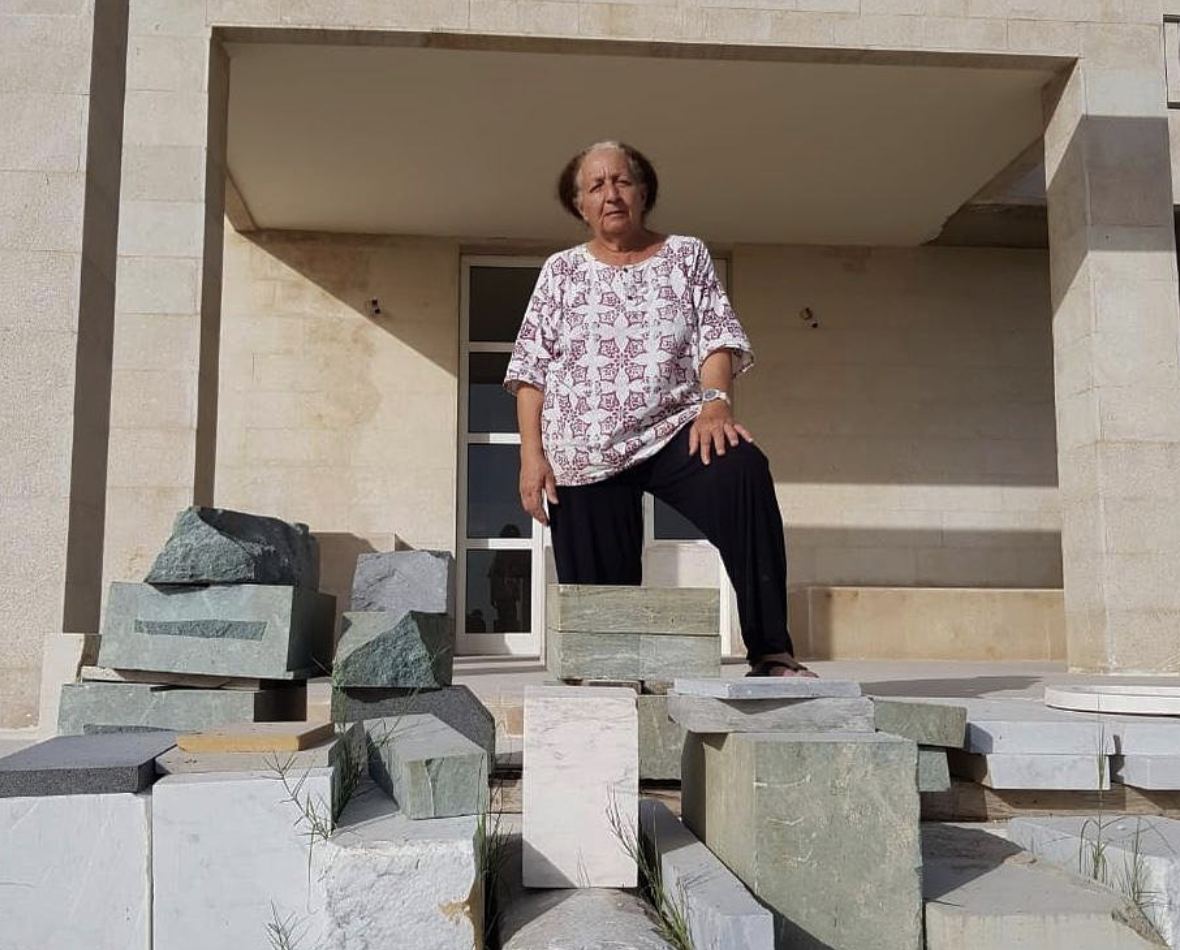
Jordanian sculptor, poet and activist Mona Saudi is best known for her abstract stone sculptures, which reflect on nature and femininity. Born in Amman, she was influenced by the ancient ruins near her family home. At the age of 17 she defied her family’s restrictions - who did not allow women to study at university - and moved to Beirut to pursue her passion for art. In Beirut she immersed herself in the cultural scene, forming connections with influential artists and poets including Adonis and Paul Guiragossian. After holding her first exhibition at Café de la Presse in Beirut in 1963, she was able to fund her studies in Paris, graduating from the École nationale supérieure des Beaux-Arts in 1973. Her sculptures make use of natural stones including Jordanian jade, limestone and marble, and are both geometric and organic at once. In addition to sculpture, she also made prints incorporating the poetry of Mahmoud Darwish and Adonis. Saudi has been exhibited internationally and one of her sculptures, “Geometrie de l’esprit” (1987), stands permanently outside of the Institut du Monde Arabe in Paris. In addition, her work is part of major institutional collections including the British Museum.
Etel Adnan (1925-2021)
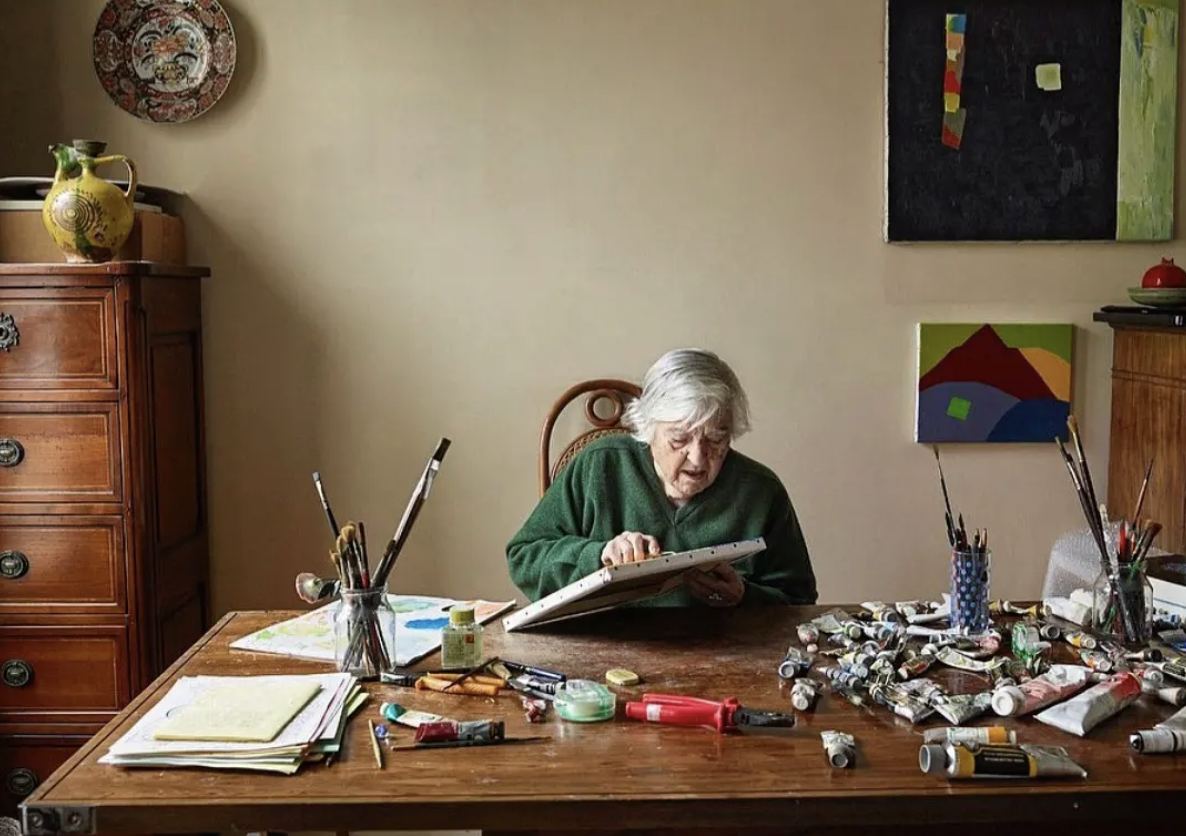
Lebanese artist Etel Adnan was also a poet and essayist. Born in Beirut to a Greek Christian mother and a Syrian Muslim father, she had a multicultural upbringing. She spent much of her life outside the region, having studied philosophy at the Sorbonne in Paris and both the University of California, Berkeley and Harvard University in the US. Following this period she taught at Dominican College in San Rafael. During the Algerian War of Independence, Adnan began painting to express herself beyond language. She is known for her bright, abstract landscapes, which are often inspired by Mount Tamalpais near her home in Sausalito, California. Her use of block colours and simplified forms is intended to convey both a sense of place and emotional intensity. She also created leporellos - accordion fold books - where she merged poetry and visual art. In addition to visual art, she is known for making a significant literary contribution, especially through her poetry, which comments on identity, exile and the human condition. Her work has been exhibited worldwide, including at the Guggenheim Museum in New York and the Serpentine Gallery in London.
Jewad Salim (1919-1961)
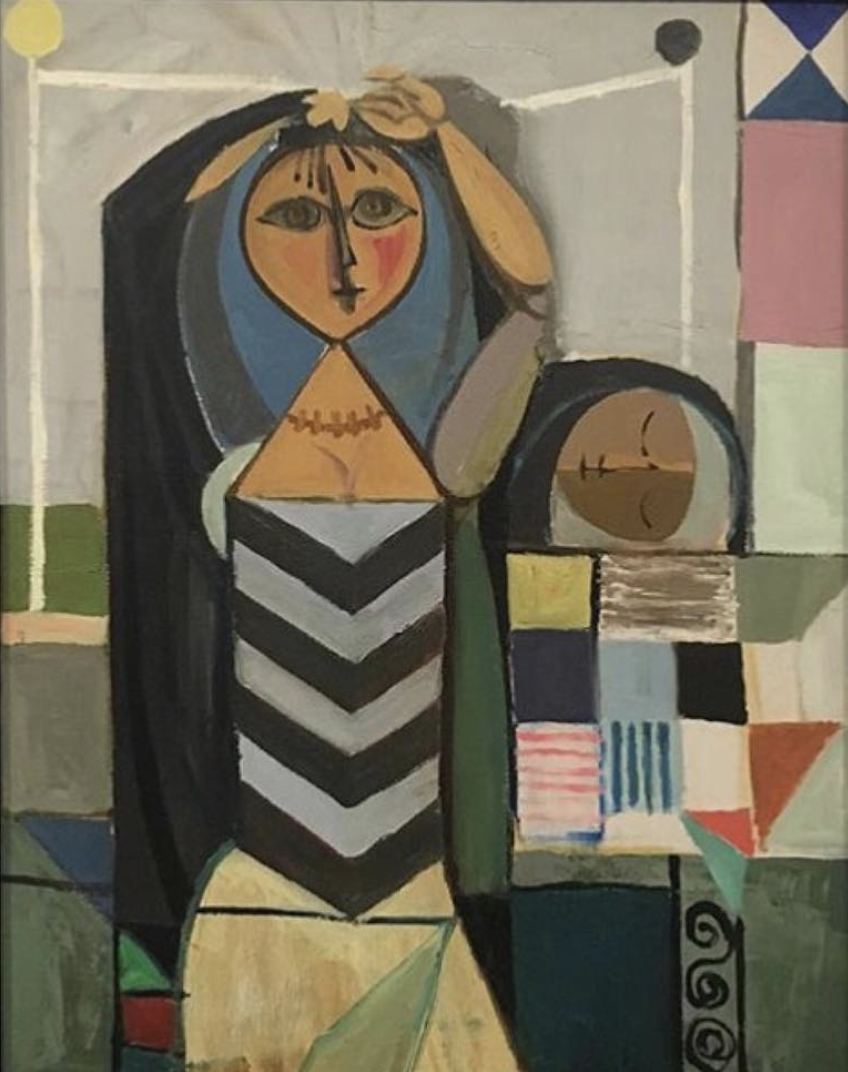
Regarded as the founder of modern Iraqi art, Jewad Salim fused ancient Mesopotamian motifs with modern artistic expressions. Born in Ankara to a family from Mosul, his father - who was an officer in the Ottoman military - had studied painting at the military academy and encouraged his children’s artistic expression. Salim won a government scholarship to study in Paris in 1938, relocating to Rome following the outbreak of World War II, and returning to Baghdad in 1940. In 1951, he co-founded the Baghdad Modern Art Group alongside Shakir Hassan Al Said and Mohammed Ghani Hikmat. The group aimed to draw inspiration from Iraq’s artistic heritage while embracing modernist principles. Selim’s work saw him integrate motifs from Assyrian, Babylonian and Mesopotamian art. Following the 14 July Revolution in 1959, he was commissioned to create “Nasb al-Hurriyah (Monument of Freedom)”, a monumental sculpture in Baghdad's Liberation Square narrating Iraq's journey to independence. The piece incorporates elements from ancient reliefs, marking a bridge between past and present. He passed away before the work could be completed, and it was finalised by his colleague Mohammed Ghani Hikmat in 1961. Salim’s work is in prominent collections including the British Museum, Qatar’s Mathaf and the UAE’s Barjeel Art Foundation.
More from News
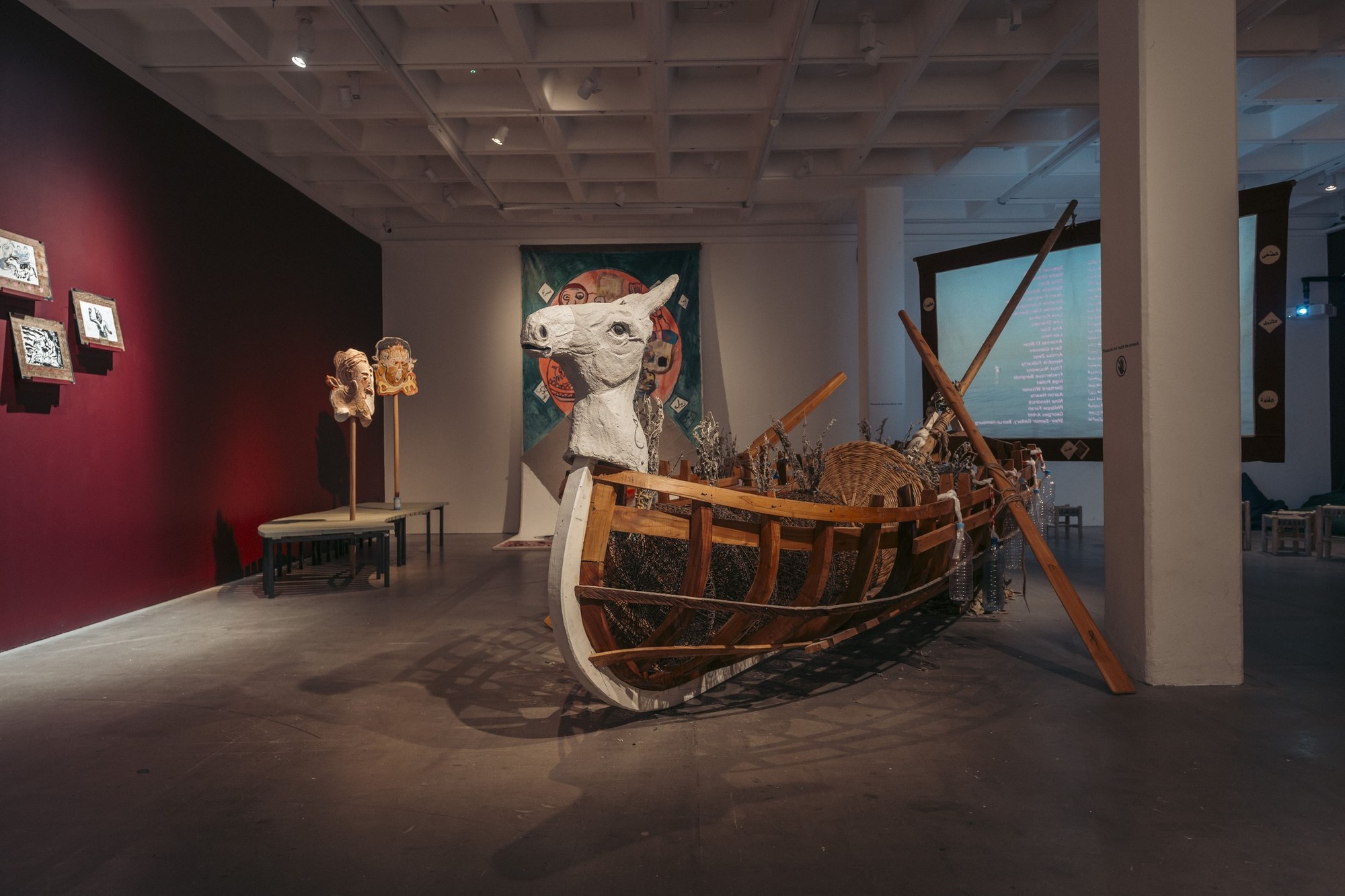
Mounira Al Solh Stitches Myth, Migration and the Feminine into New Work
Lebanese artist Mounira Al Solh turns ancient Phoenician myth into some of the most quietly radical work coming out of the MENA region, from her Venice Pavilion to her collaboratively embroidered tents.
Yemeni Artists You Should Know
From its striking architecture, to its poetry and music traditions, Yemen has a rich artistic history. Yemen also has a contemporary art scene too. A new generation of Yemeni artists is redefining cultural narratives,…
10 Contemporary Turkish Artists You Should Know
The Turkish art scene is booming. Beyond institutions like Istanbul Modern, the Istanbul Biennial and Contemporary Istanbul, a flourishing contemporary art scene is making a lot of noise within the wider MENA art scen…