Mathaf Revisits the Baghdad Modern Art Group in a Major Doha Exhibition
Seventy-five years on, the group that gave Iraqi modernism its voice gets the full Mathaf treatment.
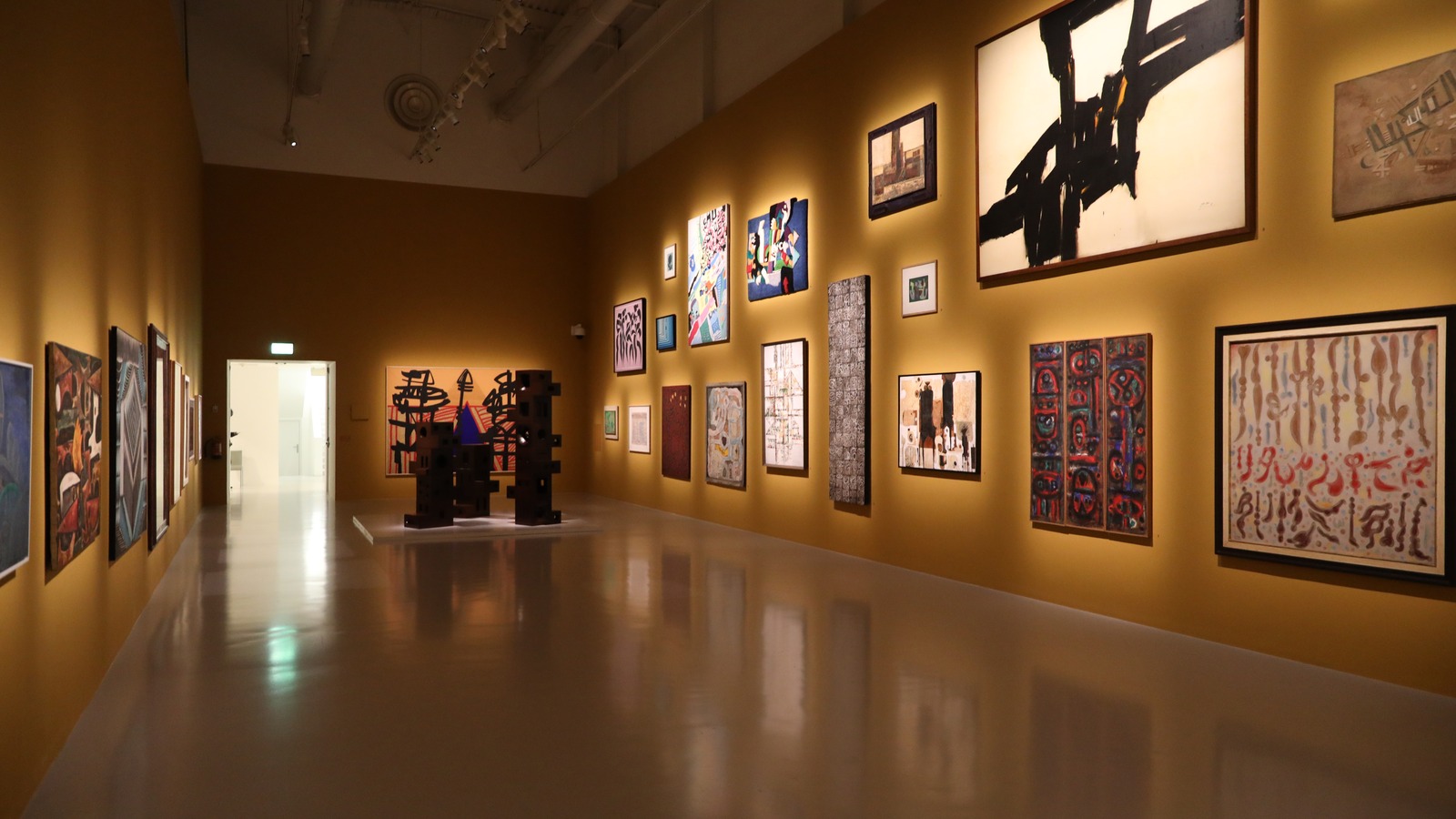
Qatar Museums has just announced one of the most exciting exhibitions of the autumn for anyone who cares about modern art in the MENA region. What Lingers in the Artist Mind: Experiments and Legacies of the Baghdad Modern Art Group opens at Mathaf: Arab Museum of Modern Art in Doha on 25 October 2026, and it promises a deep dive into the collective that did more than any other to shape modern Iraqi art.
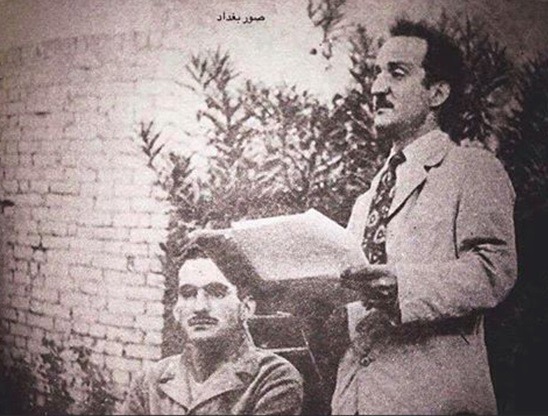
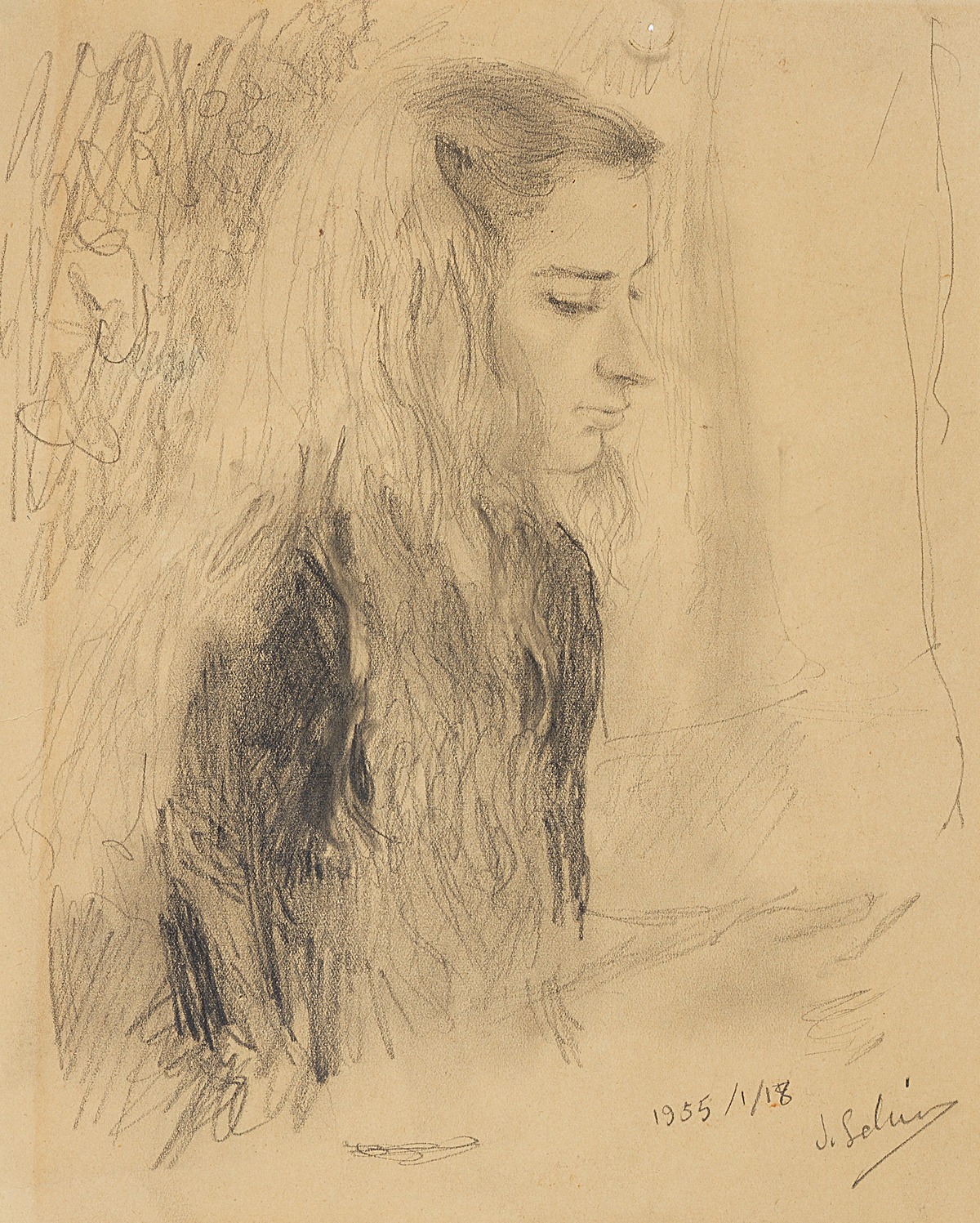
First, a little history. The Baghdad Modern Art Group was founded in 1951 by Jewad Selim (1919-1961) and the artist and sociologist Shakir Hassan Al Said (1925-2004). According to Mathaf's own biography of Selim, the group set out to promote art that drew on Iraqi traditions while taking its place in the contemporary art world, and its members were free to work in any style or medium. In practice, as Diptyk puts it, that meant looking to Mesopotamian heritage, Islamic traditions and international modernism at once, in search of a visual language that was distinctly Iraqi.
Curated by the art historian Nada Shabout, founder of the Modern Art Iraq Archive and founding president of the Association for Modern and Contemporary Art from the Arab World, Iran and Turkiye, the exhibition is organised into 17 thematic sections running from the 1940s to the present day. It brings together paintings, sculptures, sketches, photographs and archival material, largely drawn from Mathaf's own collection. Rather than telling a neat, heroic story, the show follows the group's ideas, its changing membership, its exhibition history and its influence on teaching, as well as the later Iraqi collectives, such as New Vision and Al-Mujaddid, that challenged its positions.
Interestingly, it also confronts what is missing. War and instability in Iraq have cost the country archives and artworks, some works have been stolen or damaged, and some documents cited in the literature simply cannot be found. Diptyk reports that the exhibition makes these gaps visible rather than papering over them, which feels like an honest and important choice.
So, what can visitors expect to see? Highlights include Selim's Baghdadiat (1956) and Children's Games (1953) and, perhaps most movingly, his 1959 preparatory sketch for the Freedom Monument in Baghdad, shown alongside a bronze maquette for the monument by the sculptor Mohammed Ghani Hikmat. Selim did not live to see his monument unveiled: he died of a heart attack in Baghdad on 23 January 1961.
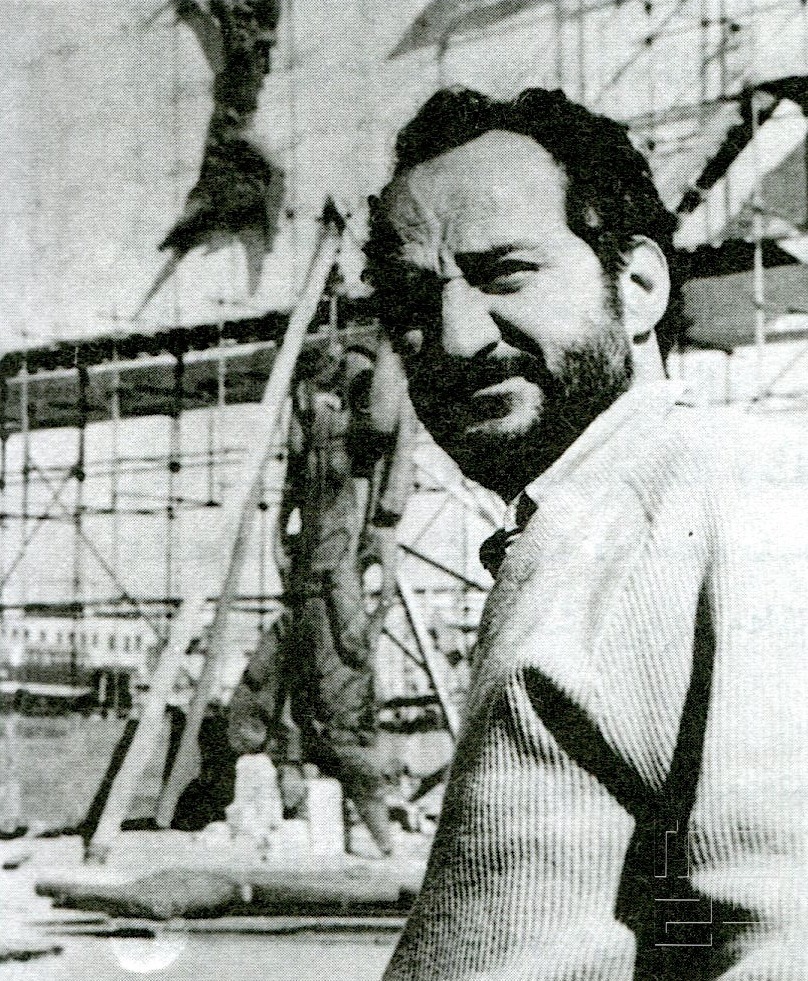
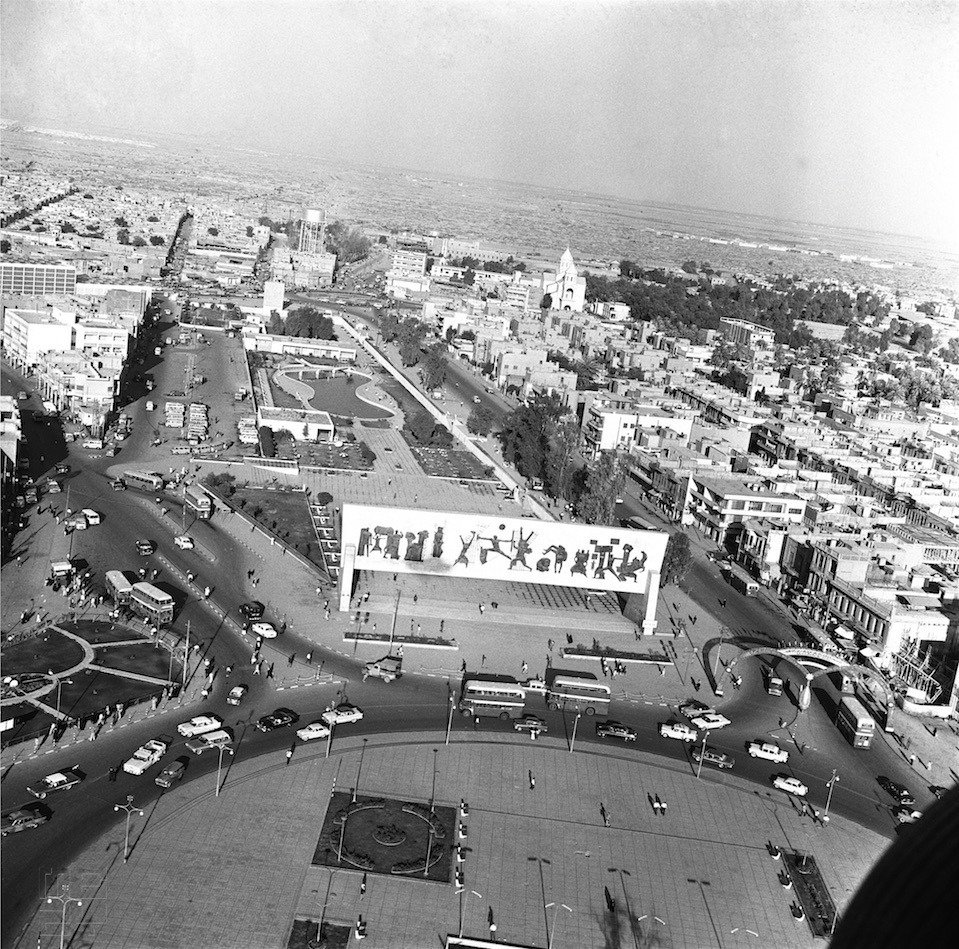
Mathaf's biography of the artist explains that the monument was commissioned in 1959 by the architect Rifat Chadirji to commemorate the revolution of 14 July 1958. It is a vast bronze relief set on a travertine-clad wall, made in Italy and completed just before Selim's death, and Iraqis know it today as the Freedom Monument.
Al Said, the group's co-founder, is represented by his One Thousand and One Nights series (1955) and The Great Symbol (1999), a span that shows just how far his thinking travelled over almost half a century.
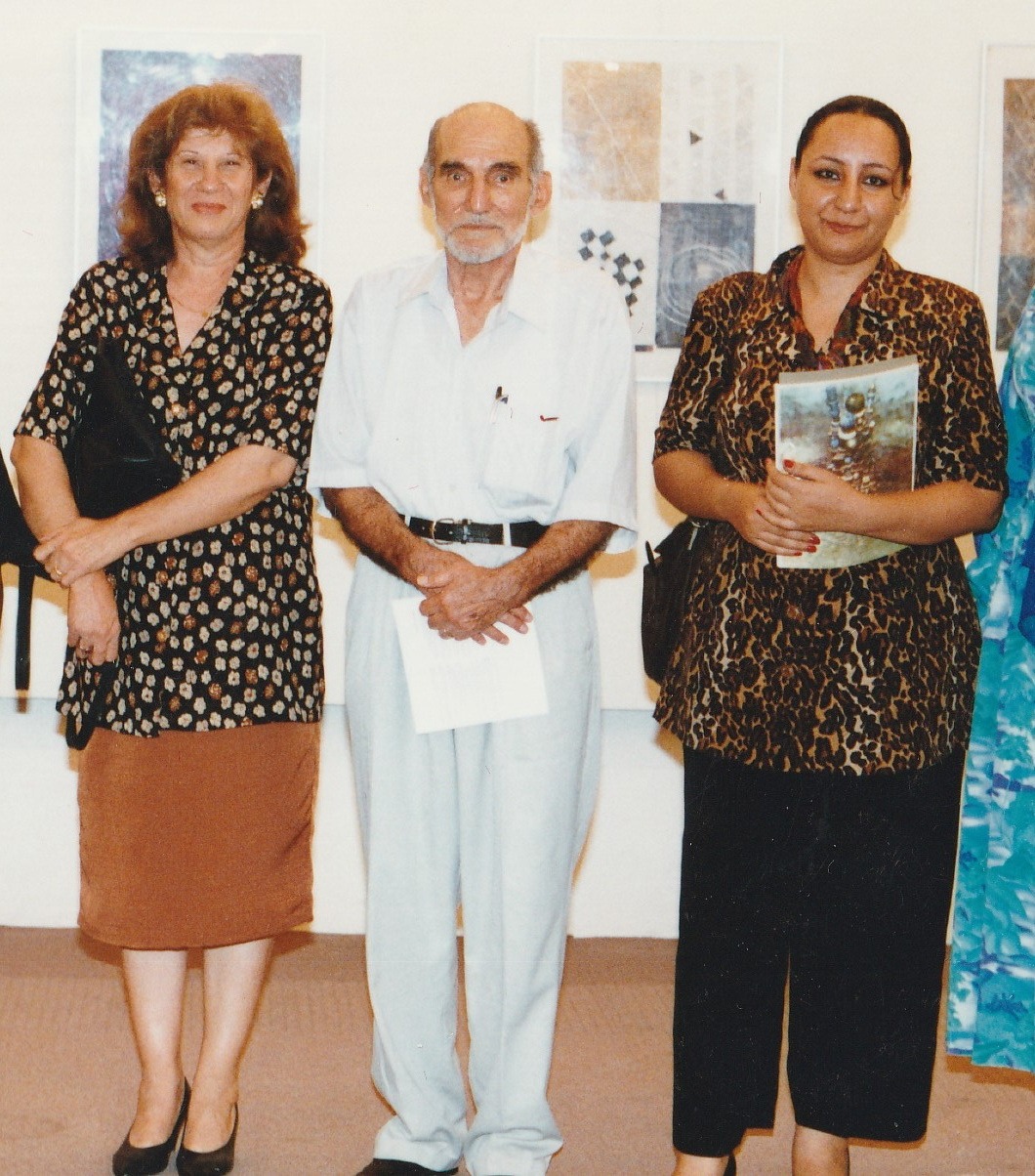
Encouragingly, the women of the group are given their due. Naziha Selim is represented by Woman with a Bird (1975), while Lorna Selim (1928-2021), who met Jewad as a fellow student at the Slade School of Art in 1947 and later married him, shows Iraqi Shanashil (1965), one of the paintings of traditional Baghdad scenes she contributed to the group. Works by Faraj Abbo, including Al Mashta (1964), and by Faiq Hassan, Khalid Al Rahal, Kadhim Haidar and Dia Al Azzawi complete a remarkable roll call of Iraqi modernism.
This is the third chapter of Shabout's research on the group. As Diptyk notes, it was first presented as All Manner of Experiments at the Hessel Museum of Art at Bard College in New York State in 2025 (we covered its opening at the time), before travelling to the NYU Abu Dhabi Art Gallery earlier this year. In Doha, Mathaf's deep holdings of Iraqi art have allowed her to take the research further.
It makes sense that this chapter lands at Mathaf. The museum opened to the public on 30 December 2010 in a former school building in Education City, redesigned by the French architect Jean-François Bodin, with a founding collection of more than 6,000 works spanning the 1840s to the present day.
"What Lingers in the Artist Mind is a fascinating, multifaceted testament to one of the most consequential movements in the history of Arab modernism," said Zeina Arida, Director of Mathaf, in a statement reported by Gulf Times. Shabout added that the show "reveals a movement that continuously negotiated questions of identity, heritage and modernity", issues she describes as strikingly relevant today.
Perhaps what is most significant here is the setting. The story of Arab modernism has too often been told from New York, London or Paris; seeing it researched and shown in depth in a museum in our region, drawing on a regional collection, is exactly the kind of scholarship the MENA region needs more of. A symposium with VCUarts Qatar follows on 3 December 2026.
We can't wait to see it in person.
What Lingers in the Artist Mind: Experiments and Legacies of the Baghdad Modern Art Group is on view at Mathaf: Arab Museum of Modern Art, Doha, from 25 October 2026 to 6 February 2027. Entry is free with a museum ticket.
Sources10 references
- Qatar News AgencyMathaf to Present 'What Lingers in the Artist Mind' Exhibition on Baghdad Modern Art Groupqna.org.qa
- Gulf TimesMathaf to host exhibition on legacies and experiments of Baghdad Modern Art Groupgulf-times.com
- Qatar TribuneMathaf to present exhibition on Baghdad Modern Art Groupqatar-tribune.com
- DiptykA Doha, le Mathaf rouvre l'histoire du modernisme irakiendiptykmag.com
- Qatar LivingWhat Lingers in the Artist Mind at Mathaf: Guideqatarliving.com
- Qatar LivingQatar Museums Announce 2026 Fall Programqatarliving.com
- Mathaf: Arab Museum of Modern ArtJewad Selimmathaf.org.qa
- Sultan GalleryShakir Hassan Al Saidsultangallery.com
- NYU Abu DhabiA New Exhibition at the NYU Abu Dhabi Art Gallery Explores How Baghdad Rewrote Modern Artnyuad.nyu.edu
- e-fluxQatar Museums Authority announces the openinge-flux.com
More from News
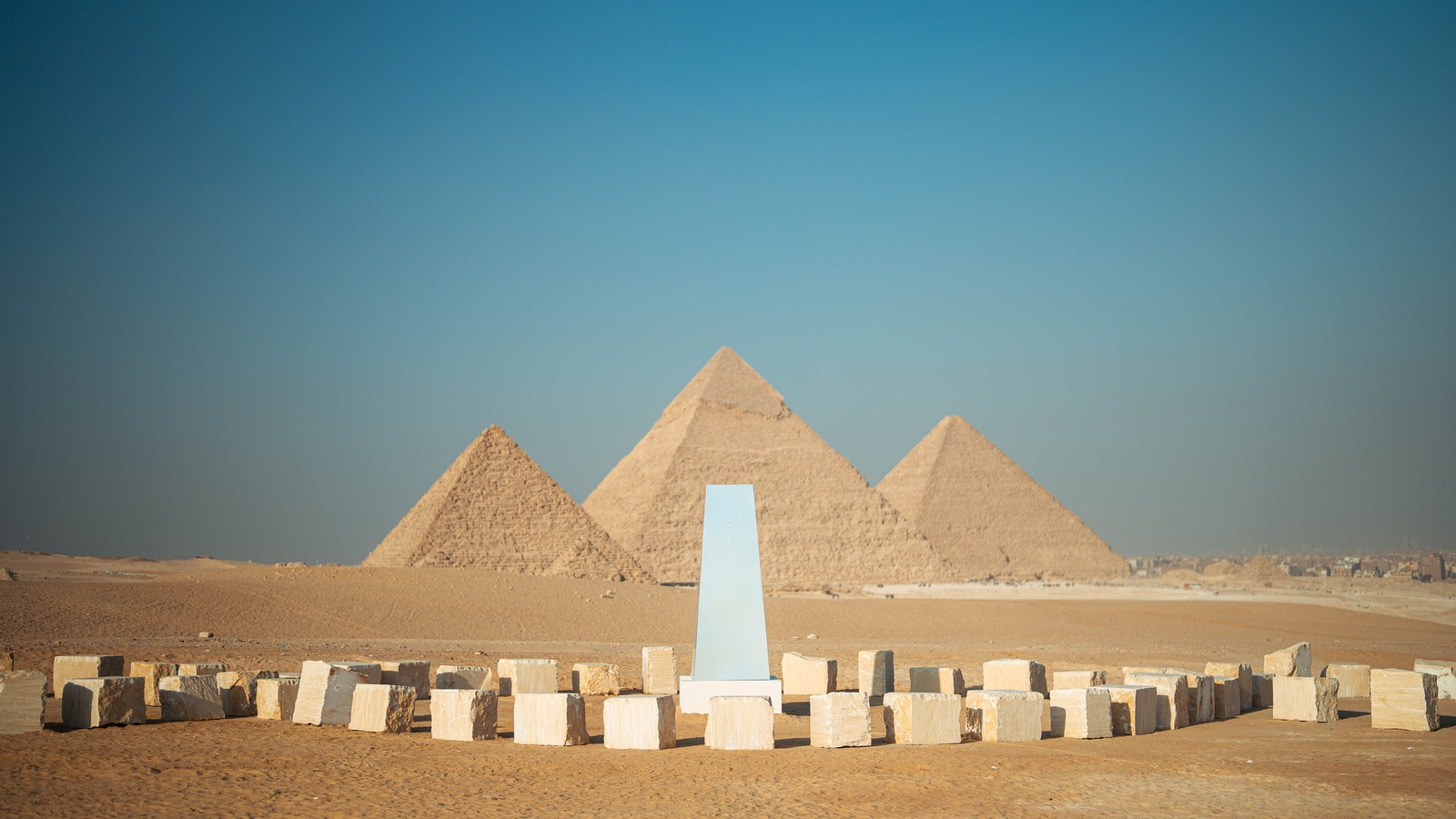
Forever Is Now Returns to the Pyramids of Giza With a Women-Led Sixth Edition
Art D'Égypte has named the eight artists for Forever Is Now 06, the first edition led mainly by women artists, on the Giza plateau from 4 to 28 November 2026.
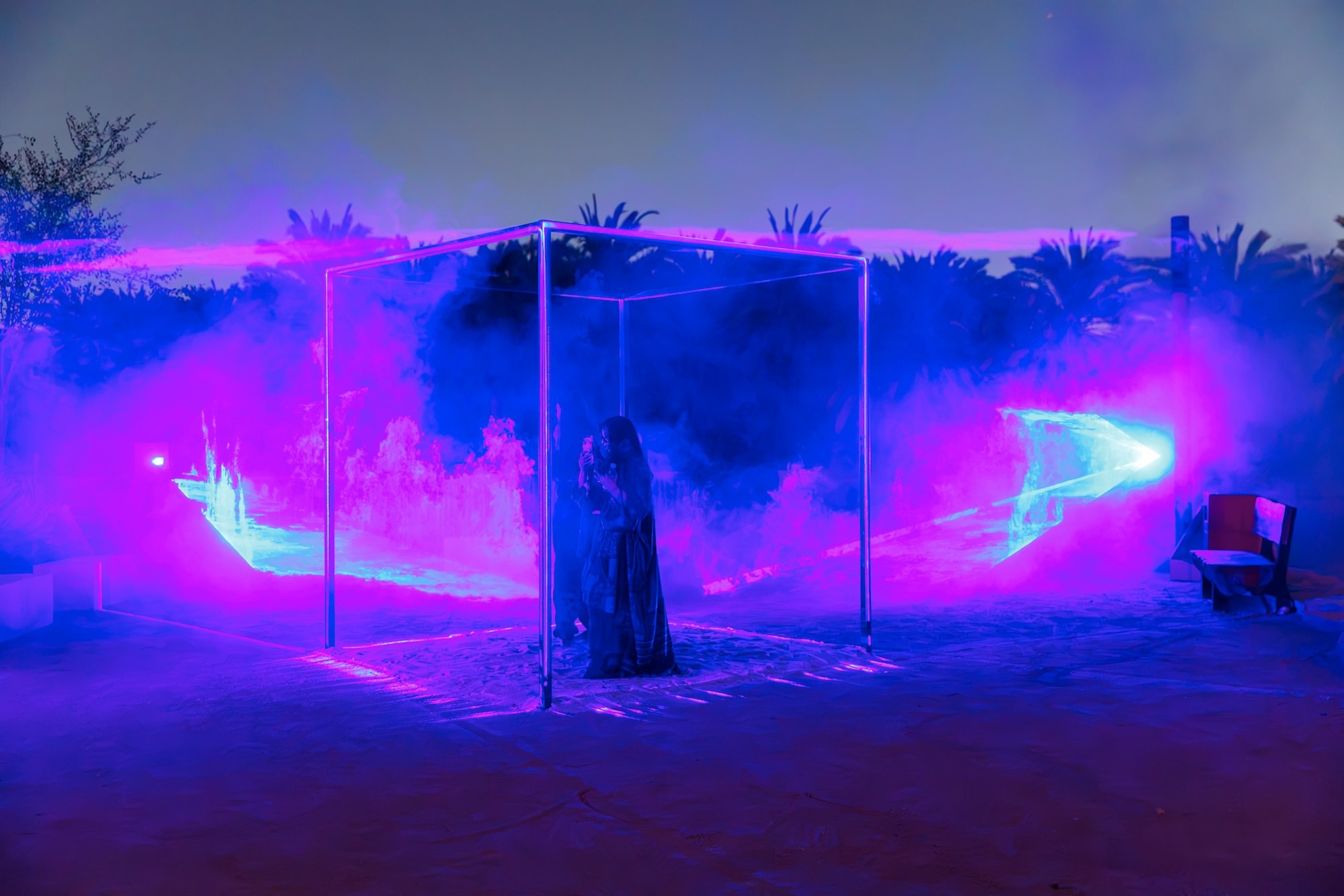
CONTINUUM '26 Puts a New Generation of Media Artists in the Spotlight in Diriyah
The second edition of CONTINUUM at Diriyah Art Futures showcases 16 emerging new media artists, with a strong showing from Saudi Arabia, Egypt, Kuwait and Yemen, until 7 November 2026.
Dubai Culture's 'Inherited Lines' Honours the Living Art of Arabic Calligraphy
Dubai Culture's 'Inherited Lines' exhibition celebrated Arabic calligraphy by bringing veteran calligraphers and recent graduates together under one roof at Alliance Francaise Dubai.