Doha's Fahad Bin Ali Palace Opens to the Public With Three Exhibitions
Doors, graves and the architecture of hospitality, in a palace nobody has been inside.
One of Doha's historic buildings is about to open its doors, quite literally. On 26 October 2026, Qatar Museums opens Fahad Bin Ali Palace on Al Rayyan Street to the public for the first time, with three exhibitions that run until 29 May 2027: Beyti Beytak, fresh from the Venice Architecture Biennale; Wooden Doors of Qatar: From Storage to Stories; and Atharna 2026: Life and Death in Pre-Islamic Qatar. For our region it is a rare thing, a heritage property that has never been seen by the public, opened with a programme about the architecture and archaeology of the Gulf itself.
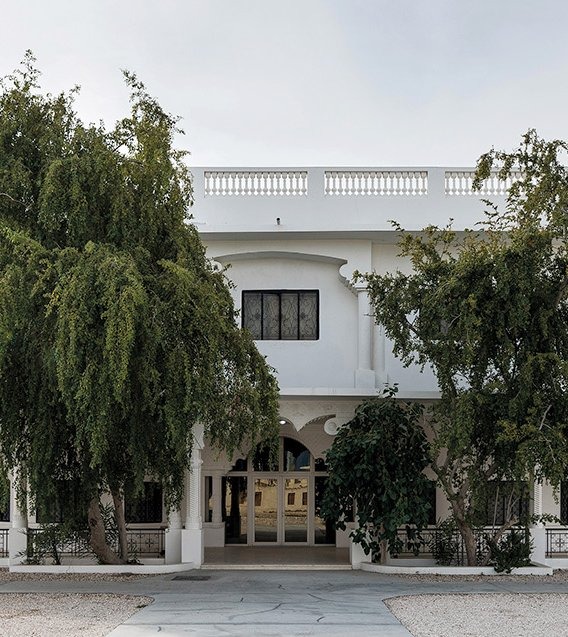
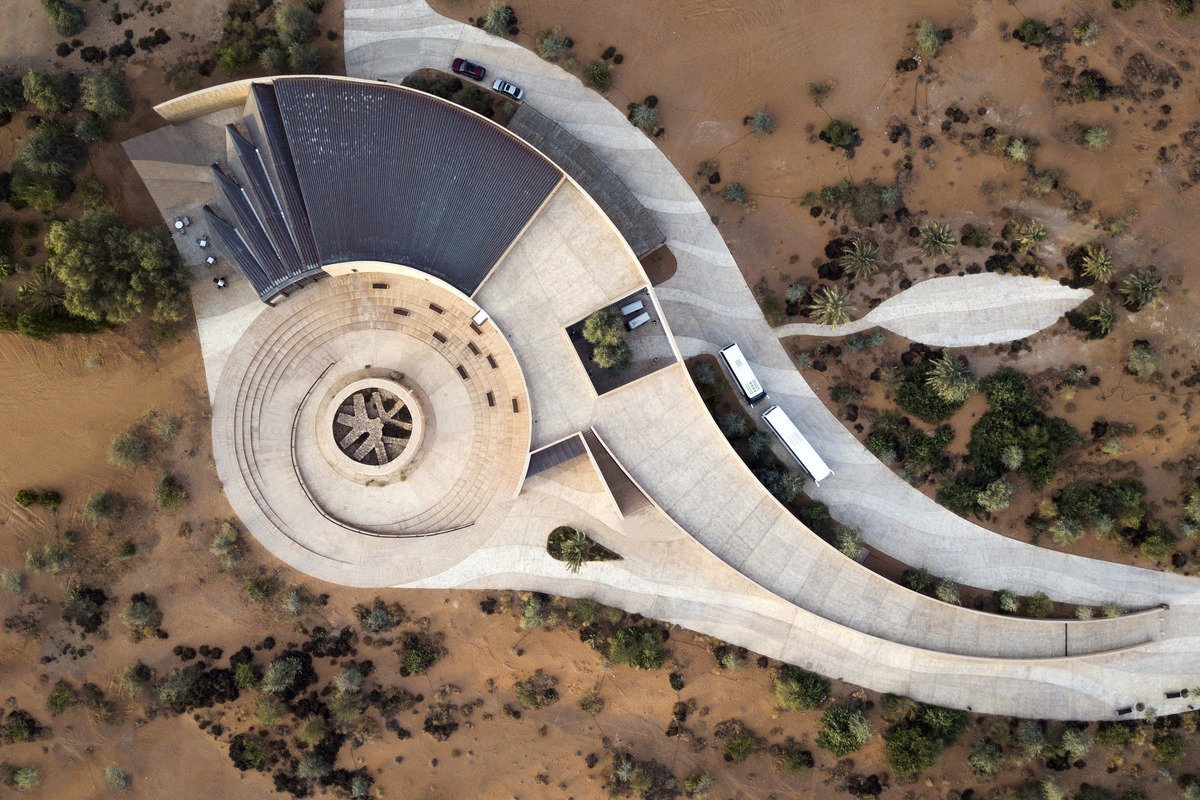
For anyone less familiar with it, the palace was built in 1953 and covers around 3,700 square metres, with a historic cemetery in its courtyard, according to Qatar Living, which reports that it is being repurposed as the home of Qatar Museums' Archaeology Department. Qatar Museums calls this season the first time that the Art Mill Museum and Qatar Museums have invited visitors inside.
The headline show is Beyti Beytak • بيتي بيتك • My Home Is Your Home. It debuted at the 19th International Architecture Exhibition in Venice in 2025, Qatar's first official participation in the Architecture Biennale, with a presentation at ACP-Palazzo Franchetti and a bamboo Community Centre by Pakistani architect Yasmeen Lari in the Giardini, on the site of Qatar's future national pavilion. Its subject is hospitality: how architecture across the Middle East, North Africa and South Asia, which the organisers call MENASA, makes room for community and belonging.
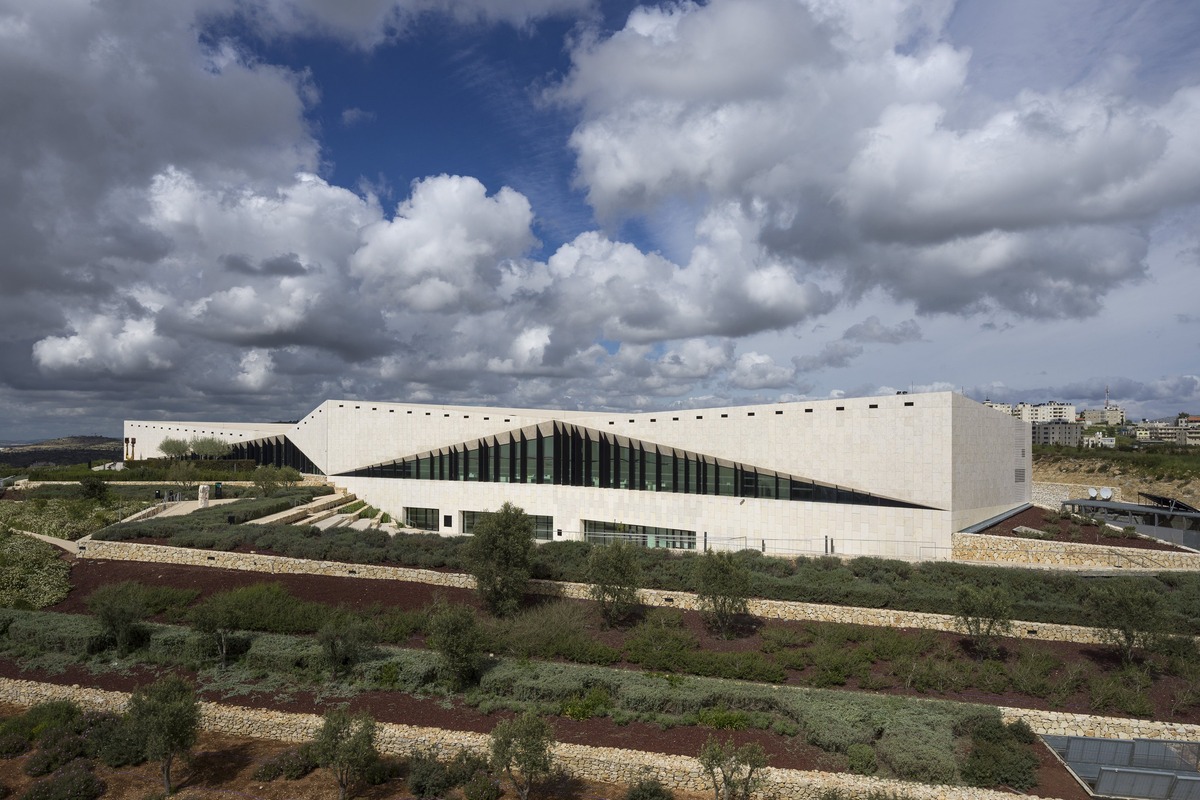
The Doha version, organised by the future Art Mill Museum, is expanded. Qatar Museums lists more than 40 architects and studios, from pioneers such as Hassan Fathy, Rifat Chadirji, Michel Écochard, Balkrishna Doshi and Minnette de Silva to Sumaya Dabbagh from Saudi Arabia, Abeer Seikaly from Jordan, AAU Anastas from Palestine, Aziza Chaouni from Morocco and Ibrahim Jaidah from Qatar. Projects on show include Heneghan Peng's Palestinian Museum in Birzeit and Dabbagh's Mleiha Archaeological Centre in Sharjah.
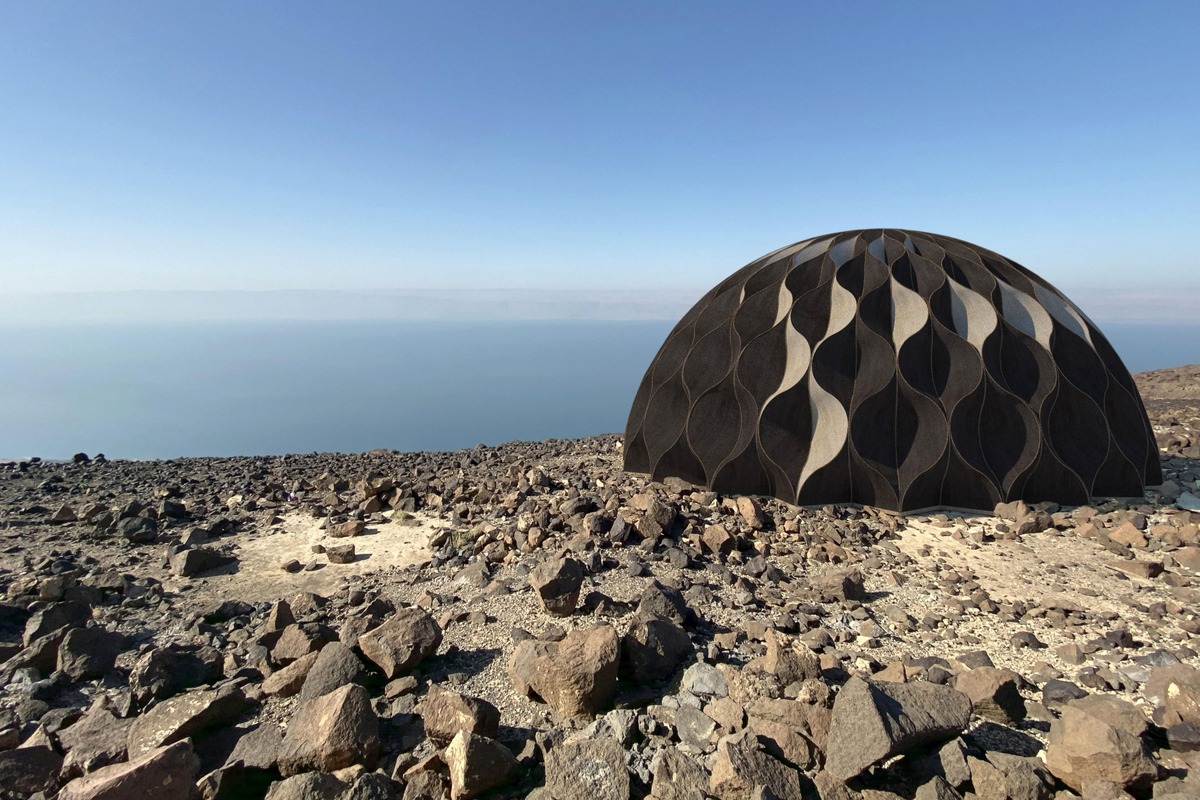
Notably, the palace courtyard has a new commission. Souq Al Liqa, by Iraqi architect Ola Saad Znad, reconstructs a mudhif, the reed guest house of the marshland communities of southern Iraq, and dedicates it to the women of the Ahwar, whose weaving and storytelling have sustained the marshes for generations. The exhibition is curated by Aurélien Lemonier, the Art Mill Museum's Senior Curator of Architecture, Design and Gardens, with guest co-curator Sean Anderson, assisted by Virgile Alexandre and Farah Al Sidiky, and designed by the studio Cookies.
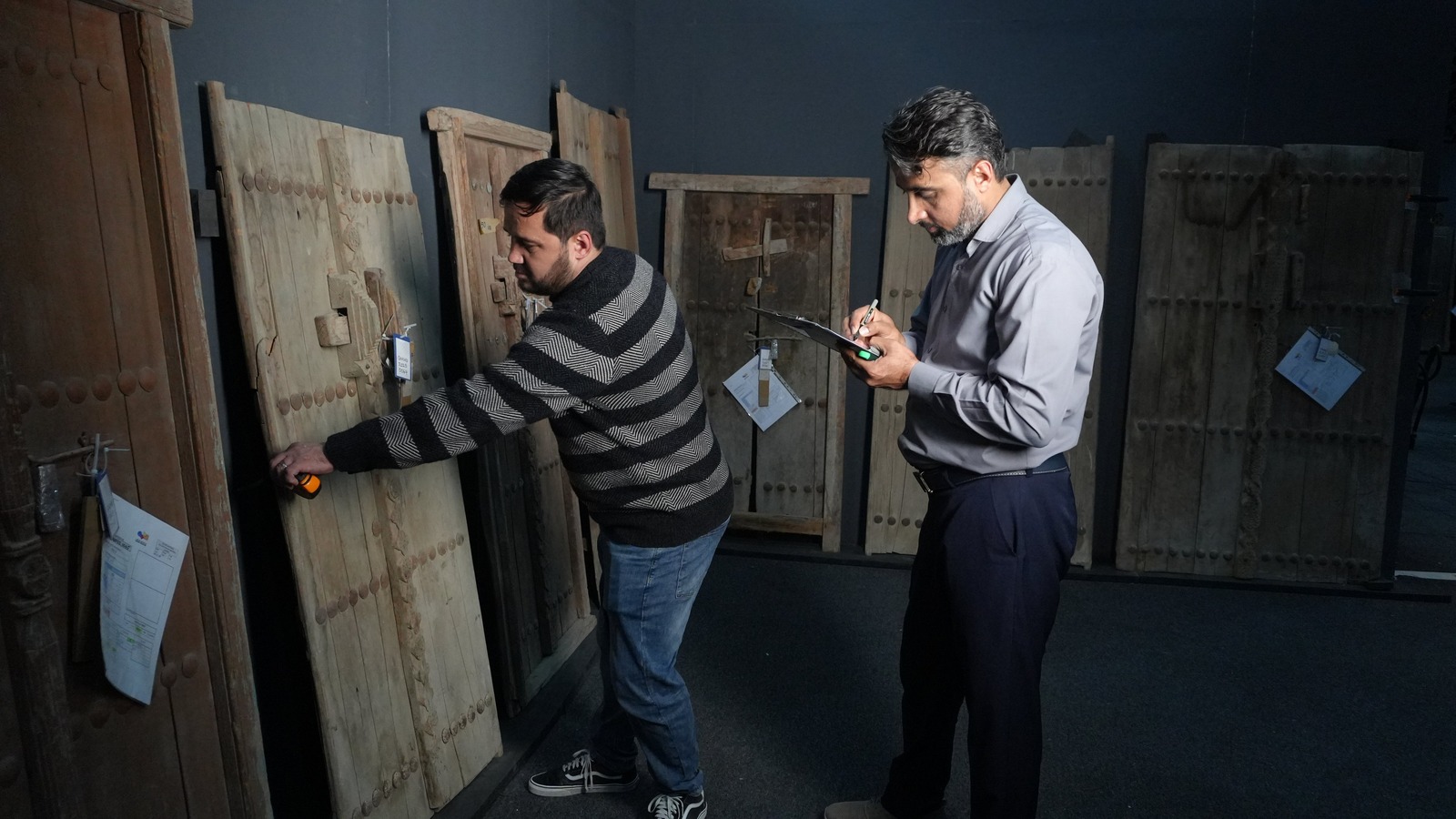
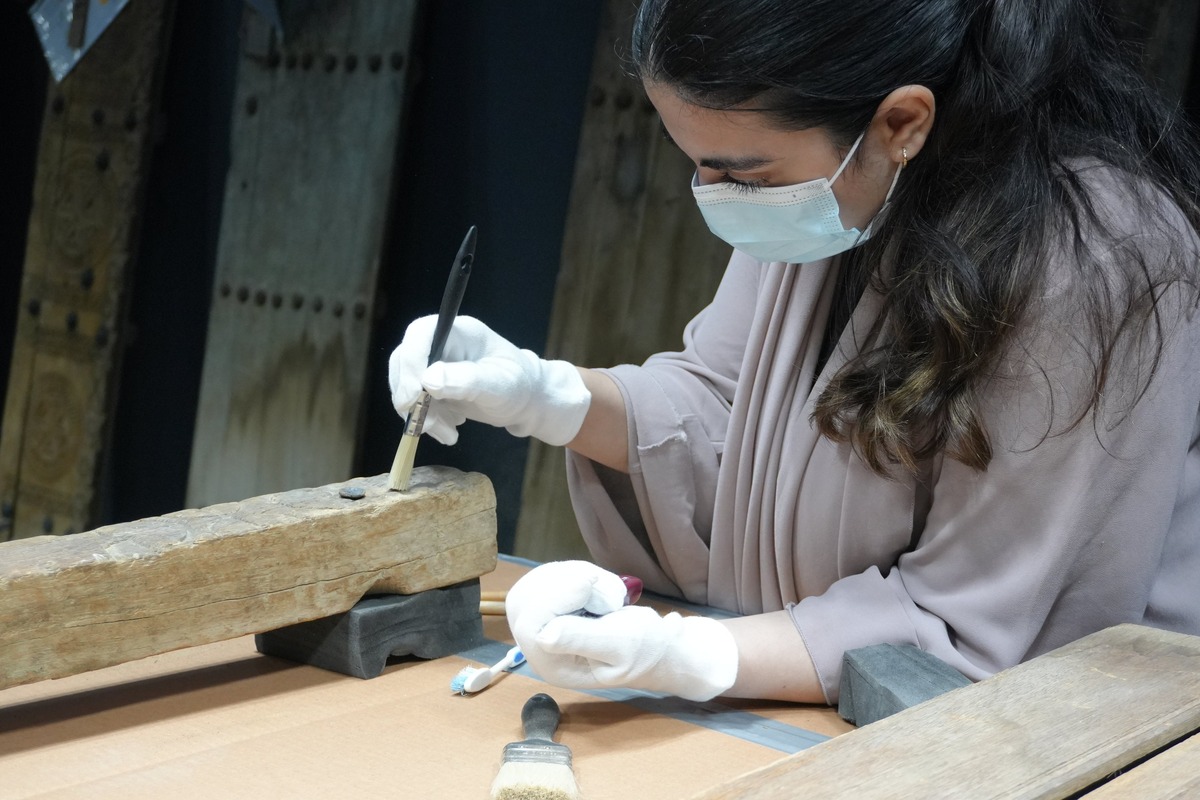
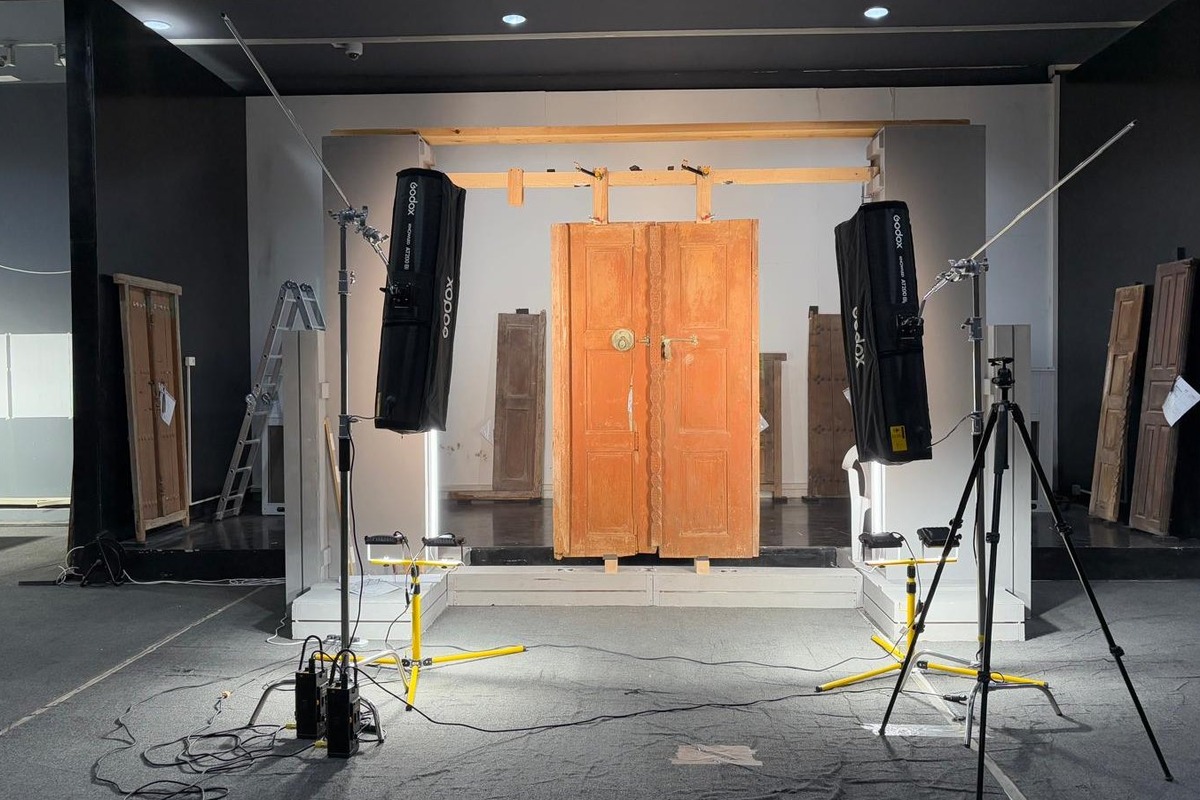
Next door, Wooden Doors of Qatar brings 52 historic doors, door frames and windows out of the National Museum of Qatar's storage. Curated by Bouthayna Baltaji, Director of Qatar Museums' Museography and Heritage Museums Development Department, and Ajmal Maiwandi, Director of Aga Khan Cultural Services for Afghanistan and Qatar, it is designed as open storage and a working studio, so visitors can watch research and conservation in progress. Encouragingly, the public is part of the research: Qatar Museums is asking anyone who recognises a door to share memories, photographs or documents that might reconnect it with the home it came from. An artistic installation in the courtyard imagines the lives behind the thresholds.
The third show takes us much further back. Atharna, Qatar Museums' annual archaeology exhibition, launched in 2025, and its second edition looks at finds from Neolithic and pre-Islamic burial mounds across Qatar. Visitors start outdoors at a reconstructed burial mound and an archaeology tent, then enter galleries of weapons, jewellery and other artefacts from pre-Islamic graves, some of which can be explored by torchlight. Interestingly, the science gets its own space: with Sidra Medicine and the University of Rome Tor Vergata, Qatar Museums' archaeologists are using ancient DNA, isotope analysis and skeletal studies to learn about the health, diet, mobility and genetic diversity of the people who lived there.
Perhaps what is most significant is how the three fit together. An architecture show about welcome, a conservation project built on community memory and an archaeology show about the earliest inhabitants of the peninsula, all in a building that has itself been closed for decades. With Rubaiya Qatar opening on 21 November and Design Doha on 5 November, Doha's autumn is crowded, but this may be its most personal offering.
We can't wait to hear which of those doors find their way home.
Beyti Beytak, Wooden Doors of Qatar and Atharna 2026 are on view at Fahad Bin Ali Palace, Al Rayyan Street, Doha, from 26 October 2026 to 29 May 2027.
Sources7 references
- Qatar MuseumsBeyti Beytak • My Home is Your Home (Fahad Bin Ali Palace, 2026)qm.org.qa
- Qatar MuseumsBeyti Beytak. My Home is Your Home. La mia casa è la tua casa (Venice, 2025)qm.org.qa
- Qatar MuseumsWooden Doors of Qatar: From Storage to Storiesqm.org.qa
- Qatar MuseumsAtharna 2026: Life and Death in Pre-Islamic Qatarqm.org.qa
- Qatar MuseumsFall 2026 Exhibitionsqm.org.qa
- Qatar LivingWooden Doors of Qatar Exhibition 2026: Dates and Entryqatarliving.com
- ScaleQatar Museums Unveils Ambitious Fall Season 2026scalemag.online
More from News
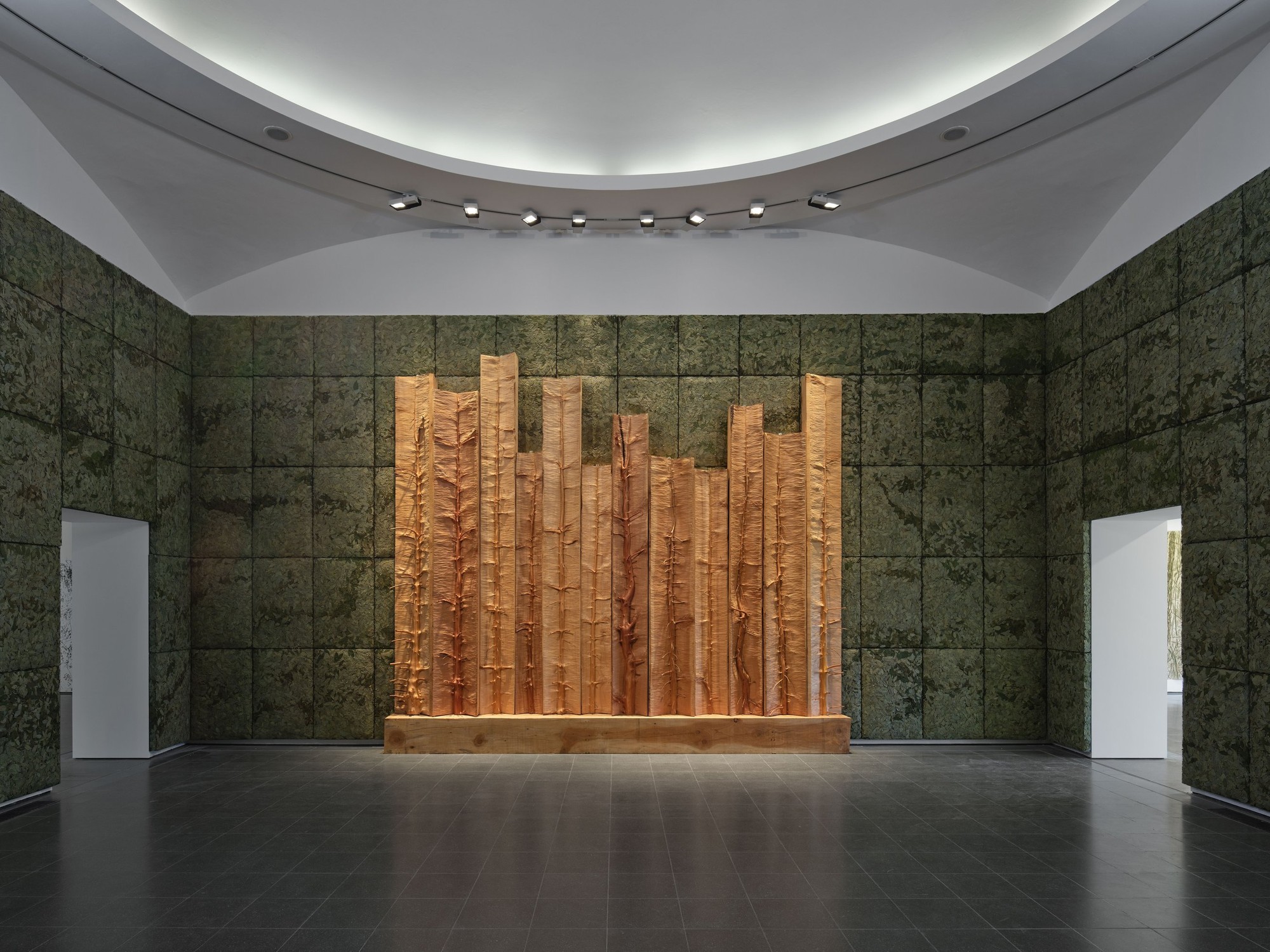
Giuseppe Penone Brings Trees, Thorns and Laurel Leaves to the National Museum of Qatar
Curated by Hans Ulrich Obrist and Issa Al Shirawi, The Inner Flow of Life brings more than 50 works by the Arte Povera artist to the National Museum of Qatar from 26 October 2026 to 13 February 2027.
Dom Art Projects Explores Light Across the Arab World and Eastern Europe in 'The Matter of Light'
Curated by Eugenia Kikodze, Dom Art Projects' third not-for-profit exhibition brings together more than 20 artists, from Zaha Hadid and Kamal Boullata to Ilya Kabakov, with loans from Barjeel Art Foundation and Art Jameel Collection. It opens in Dubai on 27 October 2026.
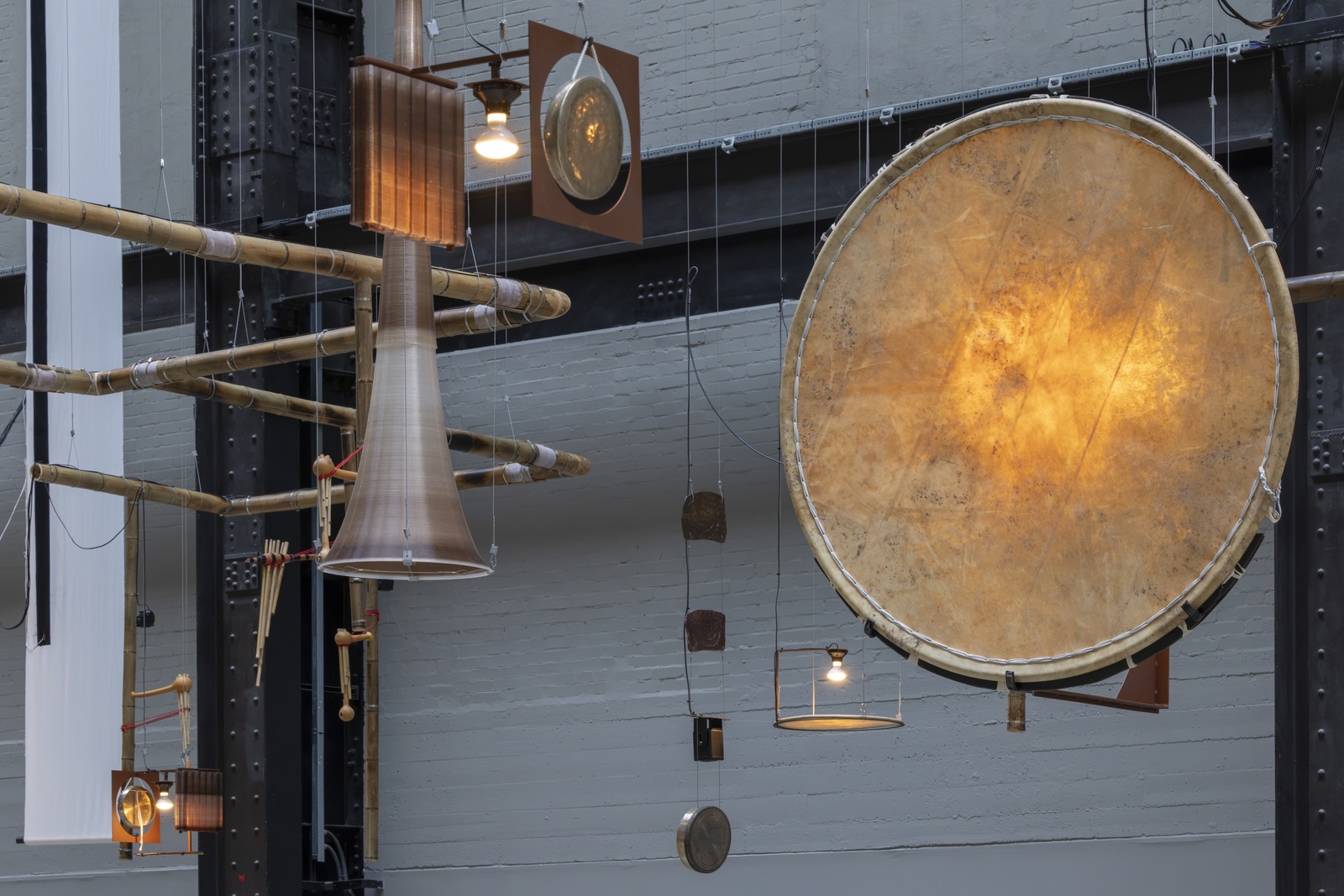
Tarek Atoui Turns Tate Modern's Turbine Hall Into a Sound Vessel
Lebanese artist Tarek Atoui's Hyundai Commission, Hold, has turned Tate Modern's Turbine Hall into an immersive landscape of instruments, textiles and stones. It is free to visit until 11 April 2027.