New Media Artists from the MENA Region You Should Know
It’s time to embrace technology
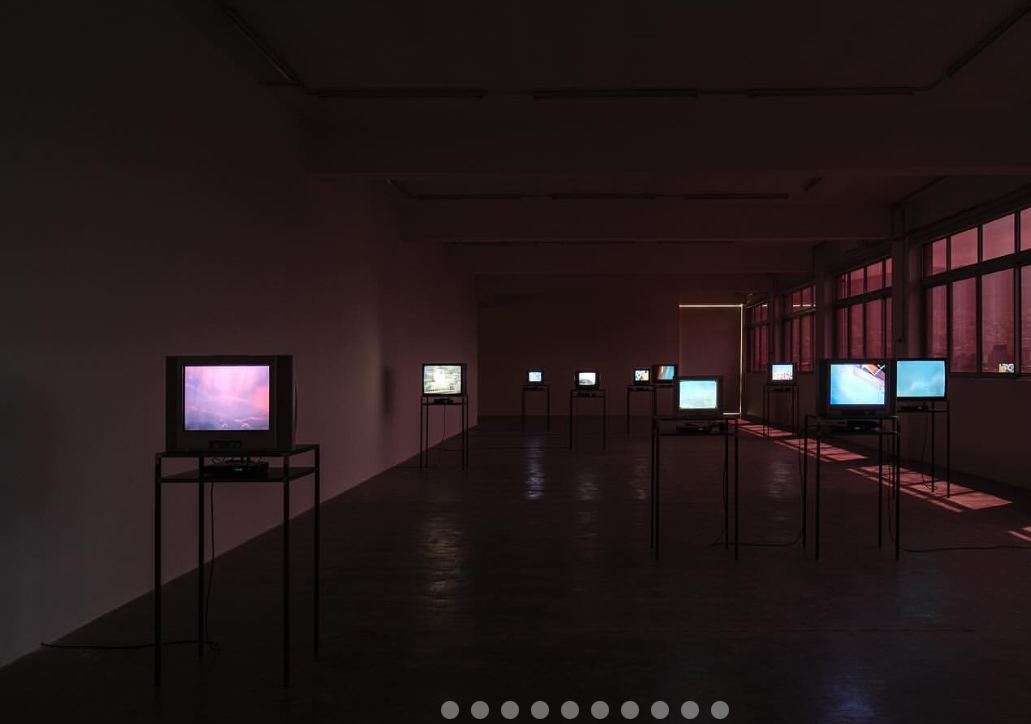
It’s time to embrace technology
The MENA region is probably not known for its tech-forward art scene, but it really ought to be. Dubai’s Museum of the Future opened in 2022, while TeamLab chose Abu Dhabi for its latest space. Moreover, Diriyah Art Futures just opened in Saudi Arabia, offering digital labs, immersive exhibition spaces and studios to support interdisciplinary projects at the intersection of art, science and technology. This is all evidence that the region is embracing and supporting a new generation of artists working with new and digital medias. But who are these artists? Keep reading to find out.
Lawrence Abu Hamdan
Lebanese-Jordanian artist Lawrence Abu Hamdan is famous for his work with sound, surveillance technology and audio-visual installations. Describing himself as the "Private Ear", Abu Hamdan presents work in the form of film, live performances, lectures, forensic reports and exhibitions across the globe. He is the founder of Earshot, the world's first NGO dedicated to the study of audio for human rights and environmental advocacy. Beyond the art space, his investigative work has been used as evidence in immigration tribunals and has played a role in advocacy campaigns for Human Rights Watch and Btselem among many other organisations. His work is in the collections of numerous prominent collections including Tate Modern, MoMA and Centre Pompidou.
Alia Farid
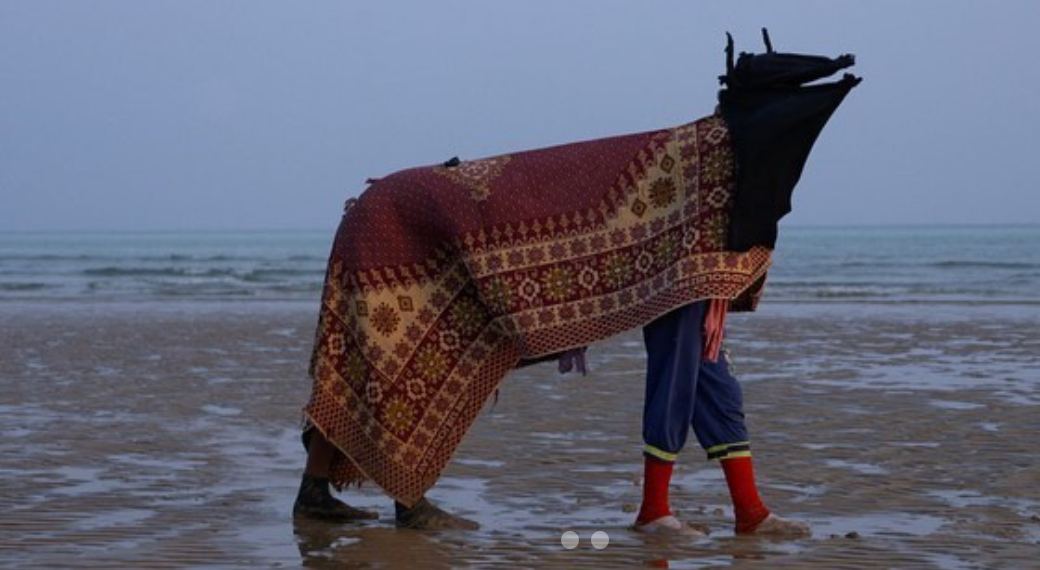
Kuwaiti-Puerto Rican artist Alia Farid works in film and sculpture to explore relationships to water and the impact of ecological violence on communities in the Gulf. Her practice places emphasis on lesser-known histories that are often deliberately erased. Through her work she investigates the under-told histories of Arab and South Asian migration to Latin America and the Caribbean, the intersectional Palestinian–Puerto Rican solidarity movement, and the ecological devastation of southern Iraq and the forced displacement of its people. She has exhibited at Chisenhale Gallery in London and Kunsthalle Basel amongst many other important institutions.
Haytham Nawar
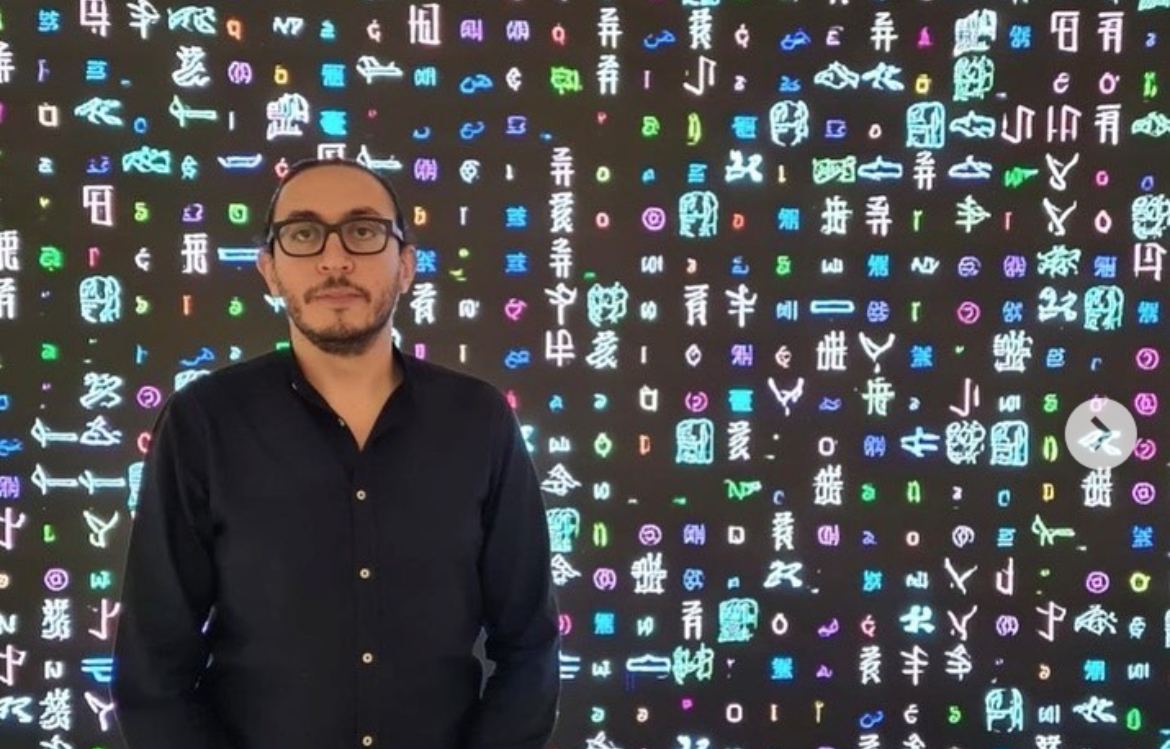
Haytham Nawar is an Egyptian artist, designer, and scholar. An active member of the new media art community, he challenges the boundaries between humans and machines in art and design. He is currently working on an AI project which develops a unique pictographic script inspired by ancient writing systems, incorporating both hieroglyphics, cuneiform and modern emojis. His work bridges past and future, bringing ancient scripts into the AI age. In addition, Nawar is the founding director of Cairotronica, Cairo International Electronic and New Media Arts Festival, which has been taking place biannually in Cairo since 2016.
Jawa El Khash
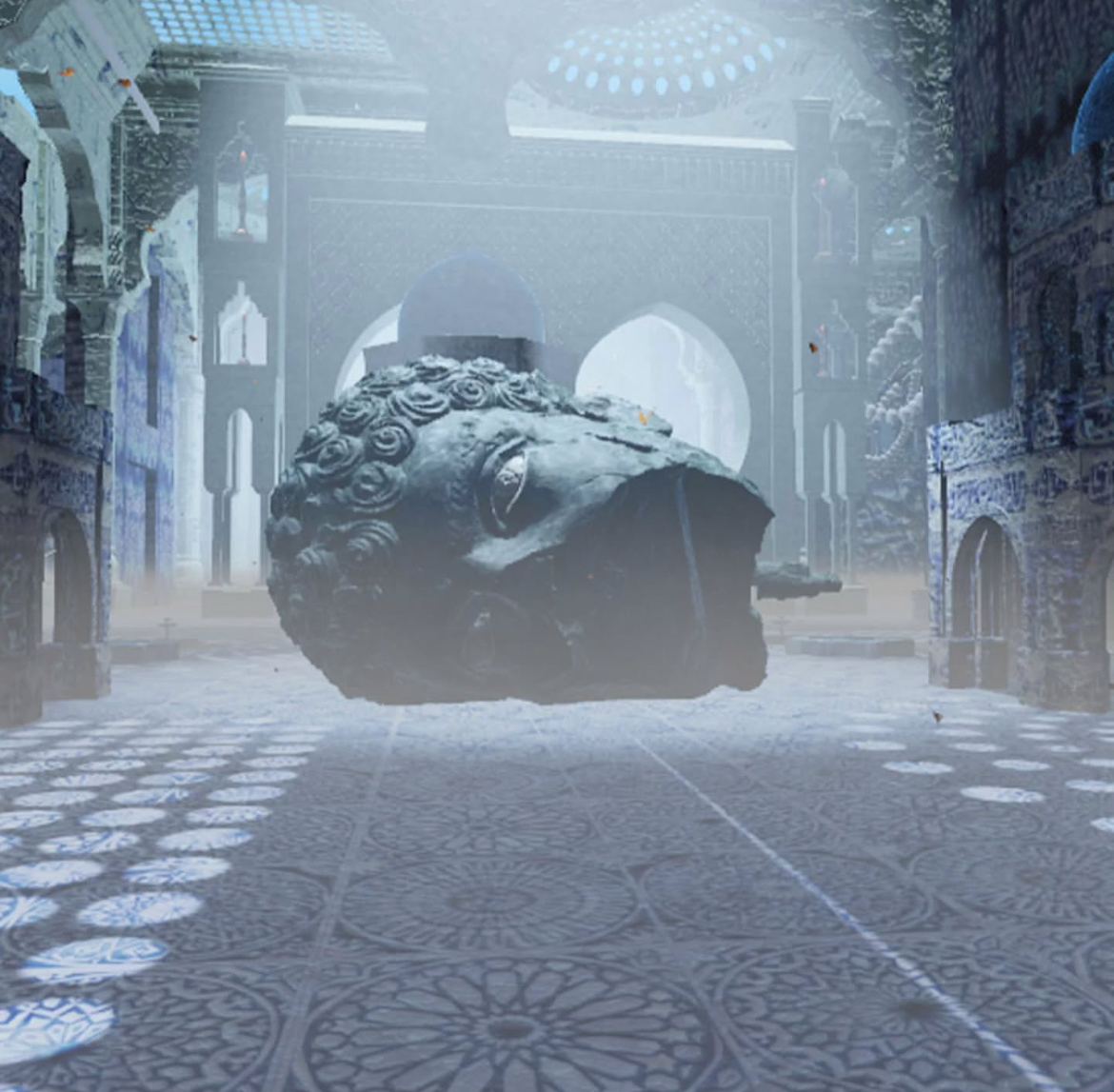
Jawa El Khash is a Syrian artist, researcher and technologist. Through her work she works with 3D modelling, holography, web based simulation, and virtual reality to archive, re-imagine and resurrect cultural artefacts, art history and botanical life. Having grown up in Damascus, her work is inspired by her memories visiting the ancient ruins of Palmyra. She is inspired by the freedom of digital world-building, using virtual reality and 3D simulation software to create interactive digital worlds designed around Syrian nature and archaeology. Her work celebrates the exchange of ideas, craft, and cultural heritage between different civilisations, while embracing the future of museology, digital archaeology and 3D heritage.
Sadik Kwaish Alfraji
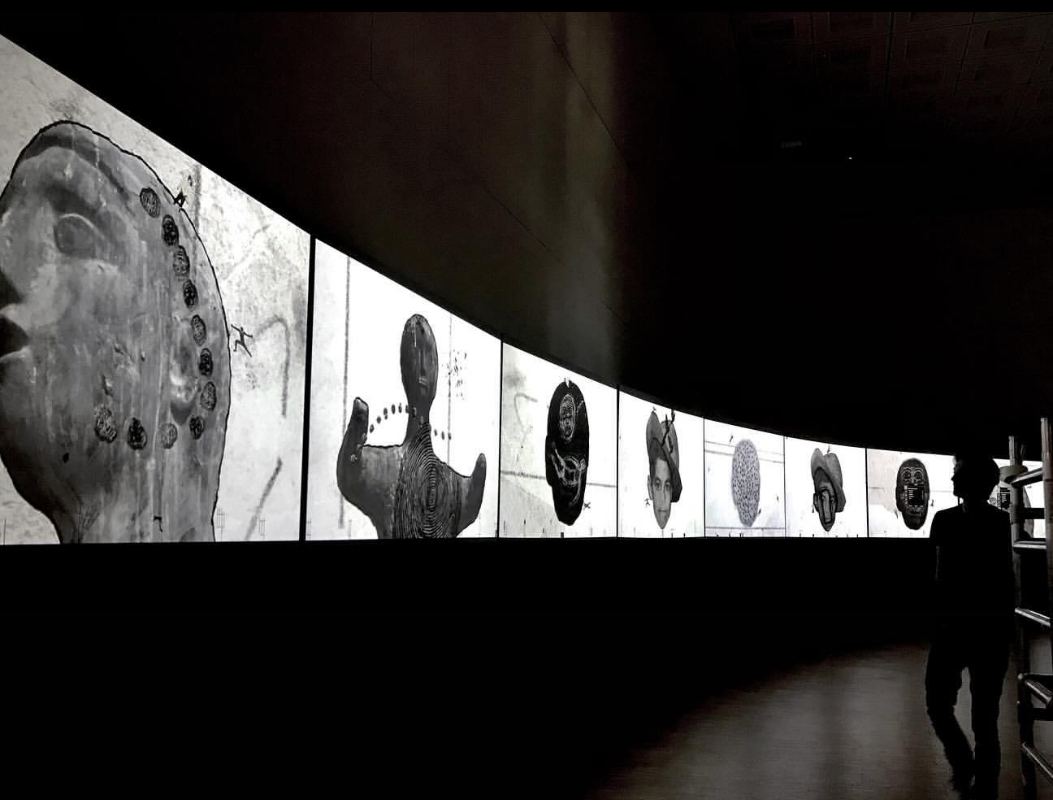
Iraqi artist Sadik Kwaish Alfraji's practice focuses on storytelling, particularly around migration and identity. He creates hand-drawn animations, often inspired by his family history in the marshes of southern Iraq. He creates a shadowy protagonist who appears throughout his work as a charcoal-coloured silhouette exploring the intricacies of life. Throughout his multimedia works he touches on displacement, exile, fragmentation, and loss, while addressing the vulnerability of the human experience. His works are in many private and public collections, including the British Museum, LACMA, Mathaf: Arab Museum of Modern Art, and the Barjeel Art Foundation.
Sophia Al-Maria
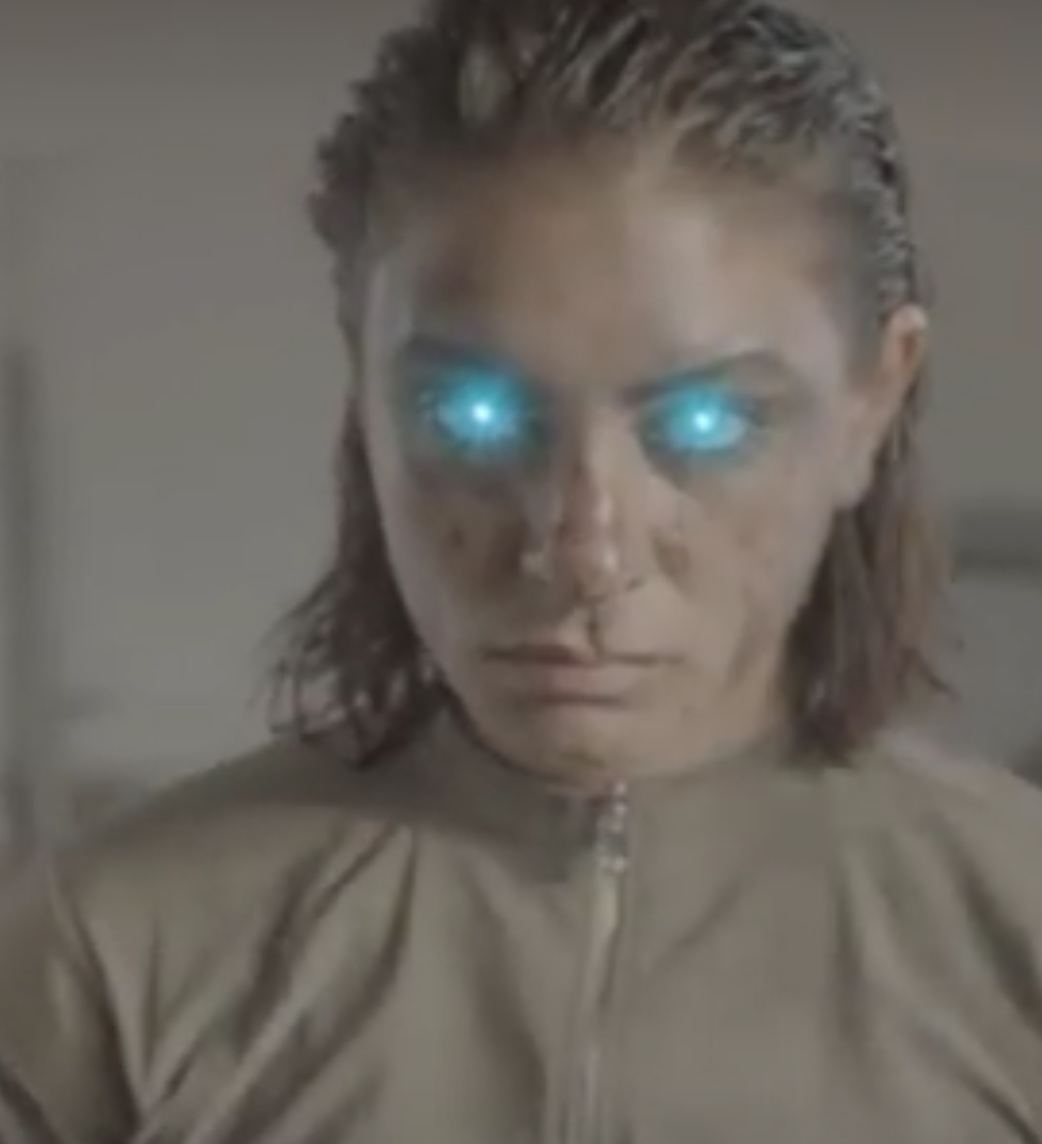
Sophia Al-Maria is a Qatari artist, writer, and filmmaker. Her multidisciplinary practice draws inspiration from a variety of sources including anime, pop culture, sci-fi, Arabic poetry and climate change. Best known for her films that are accompanied with narrative text, she uses her work to process her feelings about the future. In fact, she is credited with coining the concept of "Gulf Futurism", together with her friend Fatima Al Qadiri. Most recently, her work has focused on how technology is causing us to become increasingly more isolated, also touching on consumerism as a proxy religion, and how chance and agency affect how we approach an uncertain future.
Refik Anadol
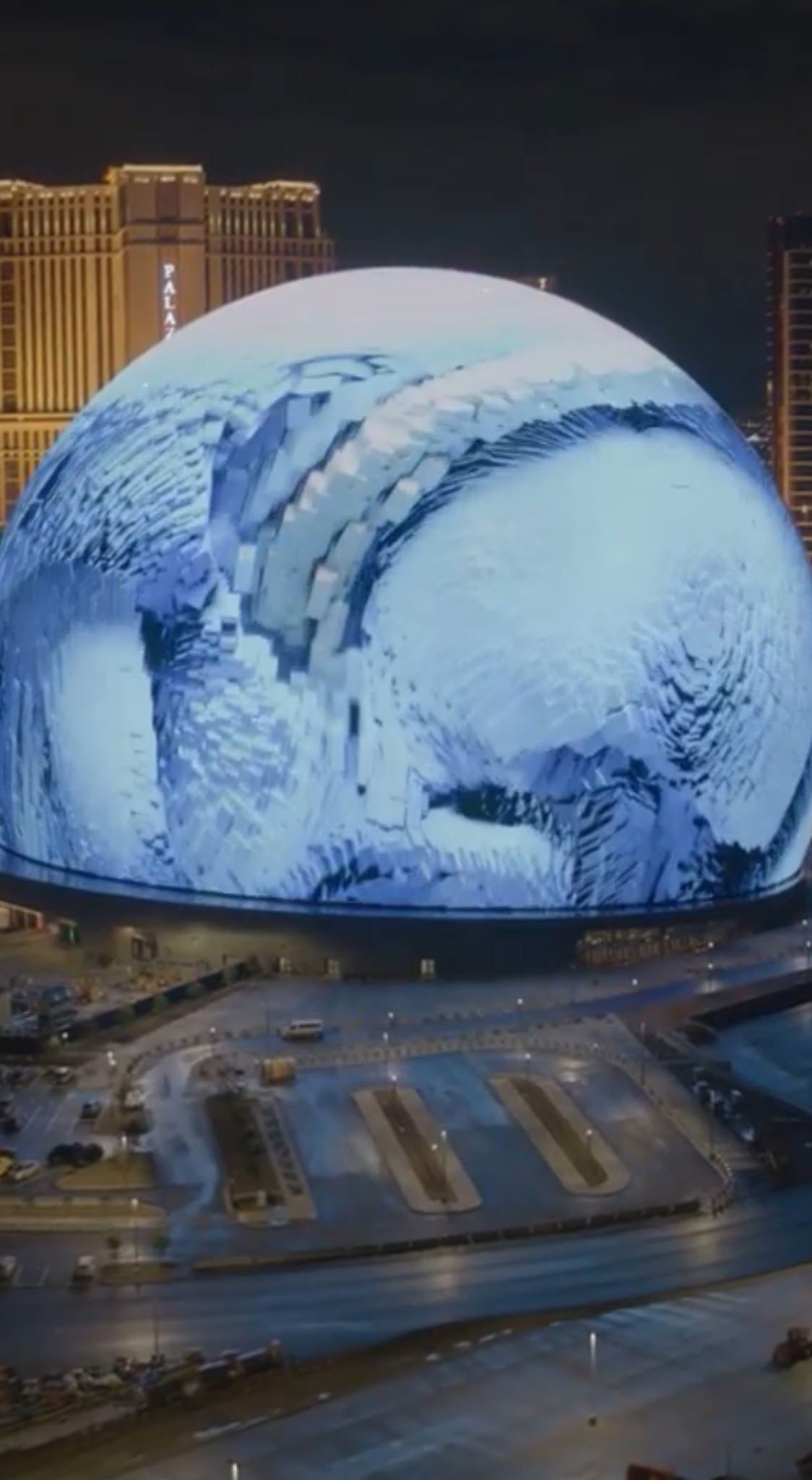
Turkish artist Refik Anadol is known for his use of data and machine intelligence. His work lies at the intersection of humans and machines, using data as his primary material. He creates AI data paintings and sculptures, performances, and immersive installations. His primary concern is with making the unseen world of data visible. In addition, he is also the co-founder of Dataland, the world’s first Museum of AI Arts in Los Angeles in the USA. As well as exhibiting in institutions across the world, Anadol has also partnered with tech giants including teams at Apple, Google, Microsoft and NVIDIA among others.
Marrim Akashi Sani
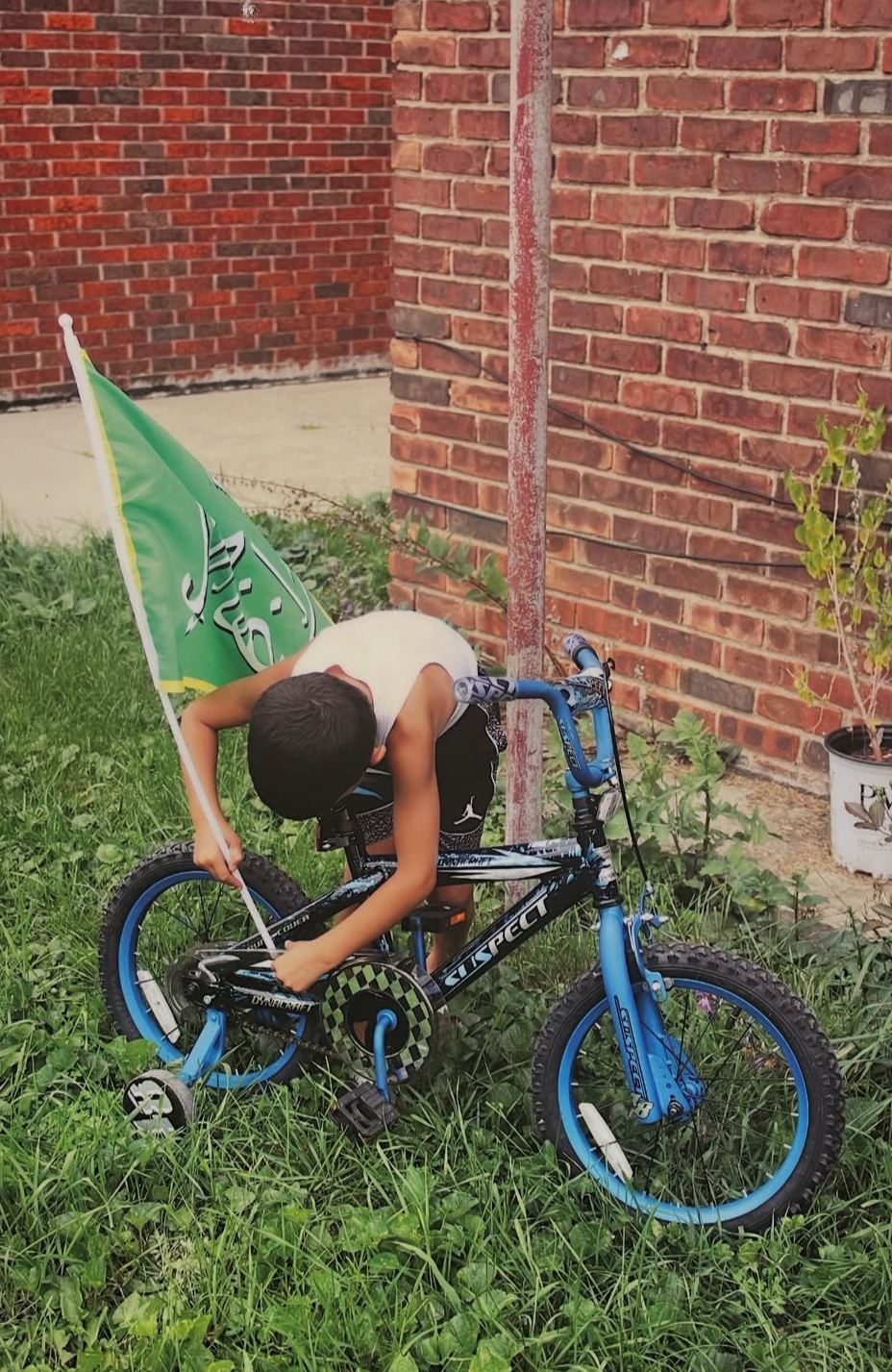
Iranian-Iraqi artist Marrim Akashi Sani grew up in Detroit in the USA, which has a large population of people from the MENA region. Her work is concerned with the hybridity of Islam and how nuances of tradition and religious practices and traditions are changing in a North American context. She takes pictures capturing what she sees in her daily life, in fear that traditions are dying out or changing as new generations are born. She also collects found objects, gathering evidence of a loss of craftsmanship in a time of mass production.
More from News
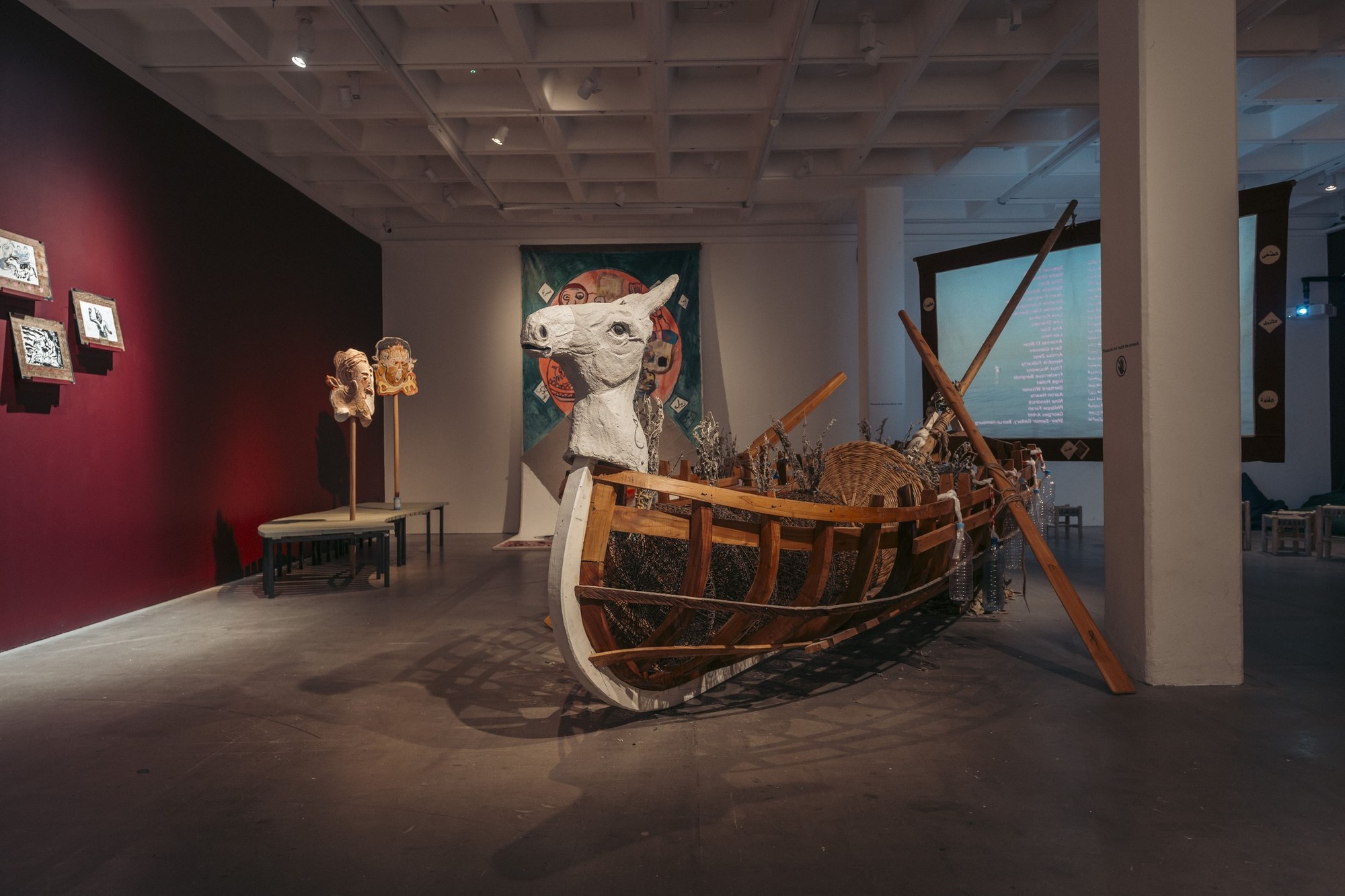
Mounira Al Solh Stitches Myth, Migration and the Feminine into New Work
Lebanese artist Mounira Al Solh turns ancient Phoenician myth into some of the most quietly radical work coming out of the MENA region, from her Venice Pavilion to her collaboratively embroidered tents.
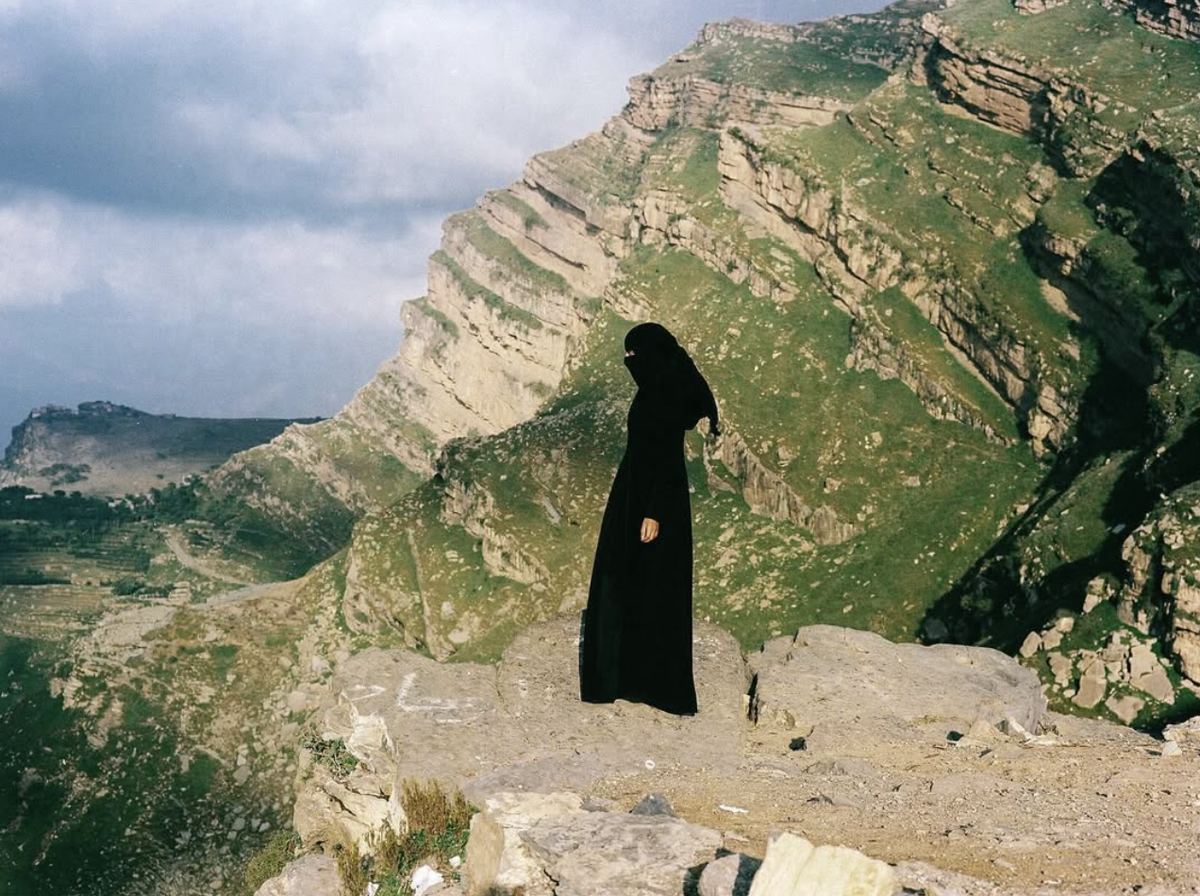
Yemeni Artists You Should Know
From its striking architecture, to its poetry and music traditions, Yemen has a rich artistic history. Yemen also has a contemporary art scene too. A new generation of Yemeni artists is redefining cultural narratives,…
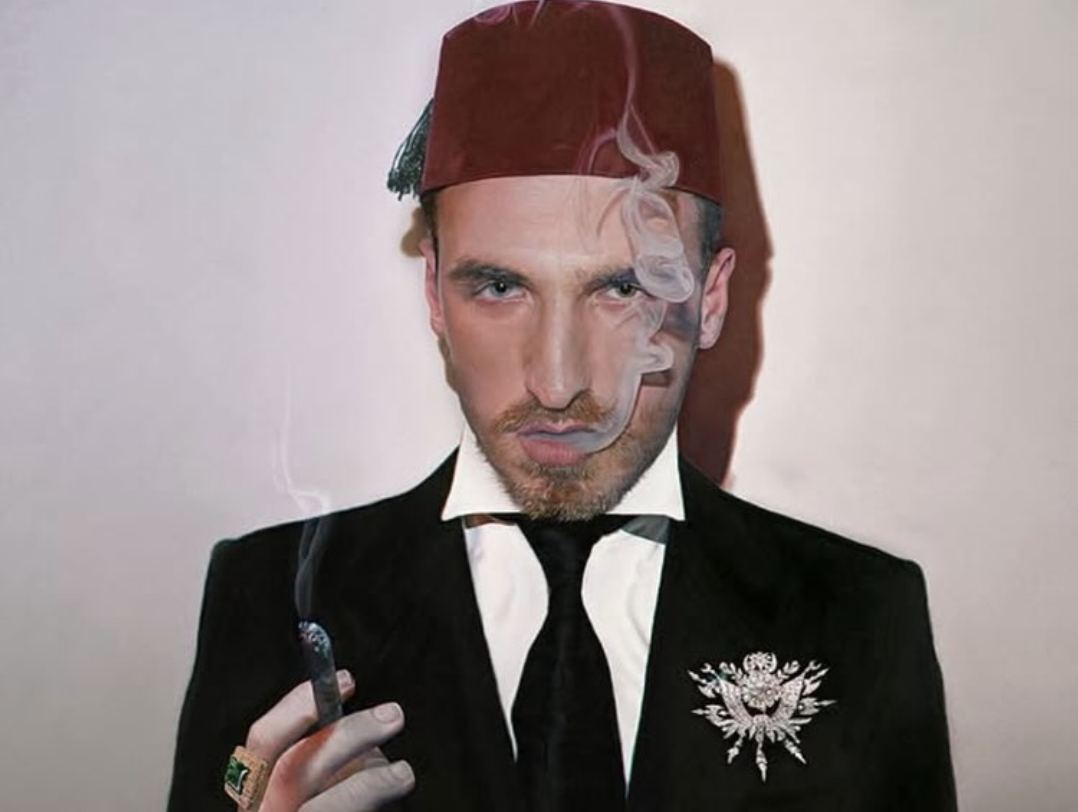
10 Contemporary Turkish Artists You Should Know
The Turkish art scene is booming. Beyond institutions like Istanbul Modern, the Istanbul Biennial and Contemporary Istanbul, a flourishing contemporary art scene is making a lot of noise within the wider MENA art scen…