
National Museum of Damascus
Damascus, Syria, established 1920
A state museum of archaeology and art at Jisr al-Rais, Damascus, run by the Directorate-General of Antiquities and Museums.
On view nowDamascus Rhythms1 to 31 October 2026
About
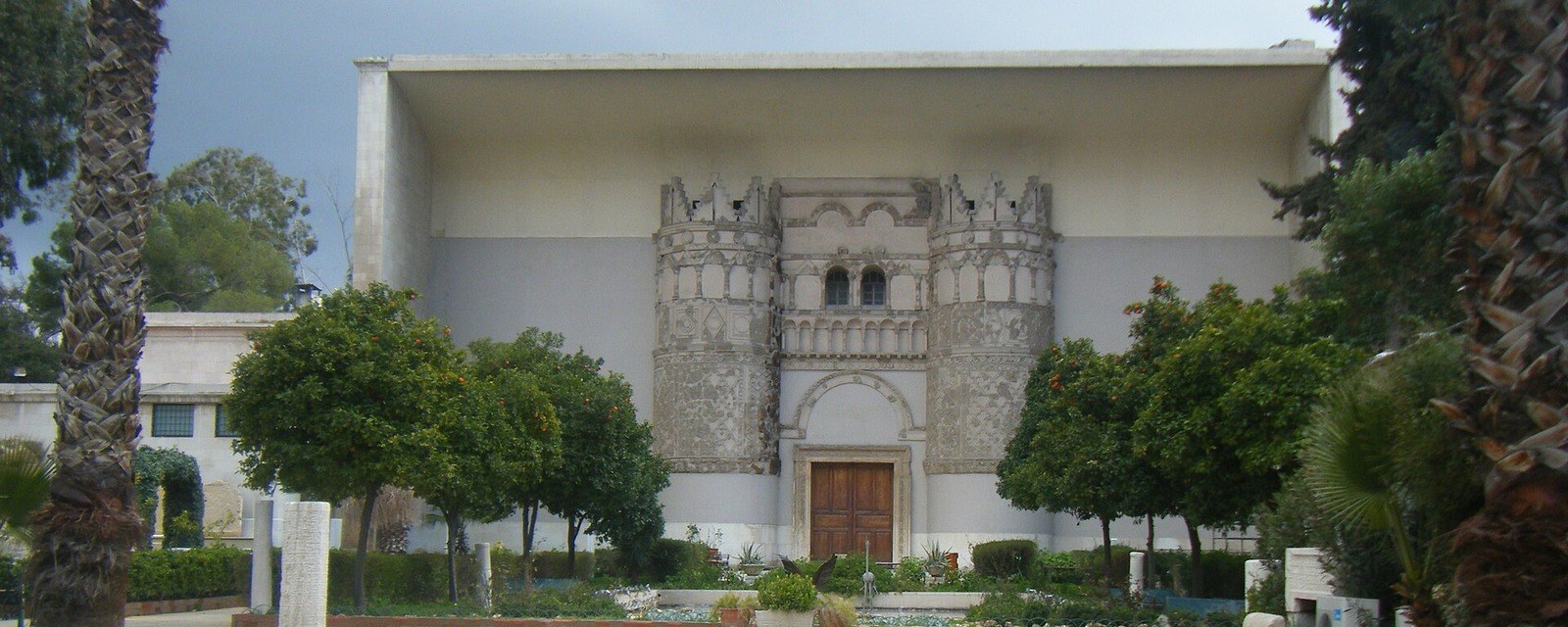
The National Museum of Damascus is a state museum run by the Directorate-General of Antiquities and Museums, part of Syria's Ministry of Culture. It stands at Jisr al-Rais, at the western entrance to the city, between Damascus University and the Takiyya Sulaymaniyya. Its collection began in 1920 in a hall of the Adiliyya Madrasa near Bab al-Barid, formed from gifts by Syrian families.
The first wing of the present building, designed by the French architect Michel Écochard, opened in 1936 on land at al-Marja al-Khadra given by the Damascus Awqaf. Its five departments were set up in stages: Classical (1936), Islamic (1950), Ancient Syria (1952), Modern art (1956) and Prehistory (1994). The Damascene Hall, a reception room dating from 1737, came from the house of Jamil Mardam Bey and opened to visitors in 1962. The garden serves as an open-air display of statues, stelae, doors, mosaics, capitals and sarcophagi. Inside, visitors will find a specialist library and a cafeteria.
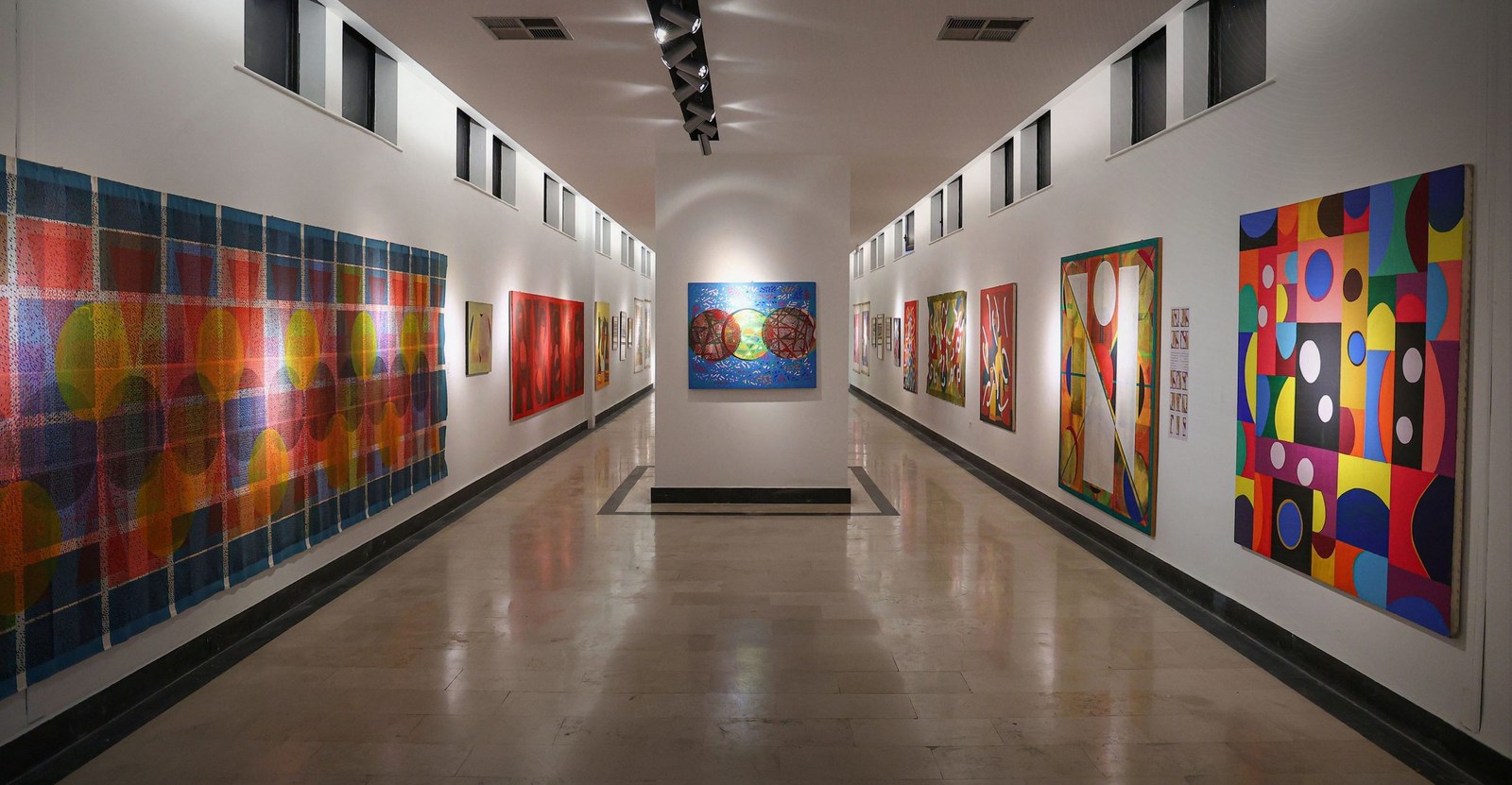
The museum reopened to visitors on 30 November 2025 after cleaning and rehabilitation work and the installation of a new surveillance system. Alongside its permanent collections it hosts temporary art exhibitions, among them a calligraphy exhibition by Ahmad Kamel and, in October 2026, Damascus Rhythms, a retrospective of Enaya al-Bukhary.
Artists
Exhibitions
Visit
Address
Contact
Documents
This profile as a print-ready PDF, for press and exhibition files.
Do you run this space? Claim this page to edit it yourself.