On viewSolo exhibition
Damascus Rhythms
Enaya al-Bukhary, Enaya Al-Bukhary
- Place
- National Museum of Damascus
Jisr al-Rais, Damascus, Syria - Dates
- 1 to 31 October 2026
- Opening
- 1 October 2026, 6pm
Press release
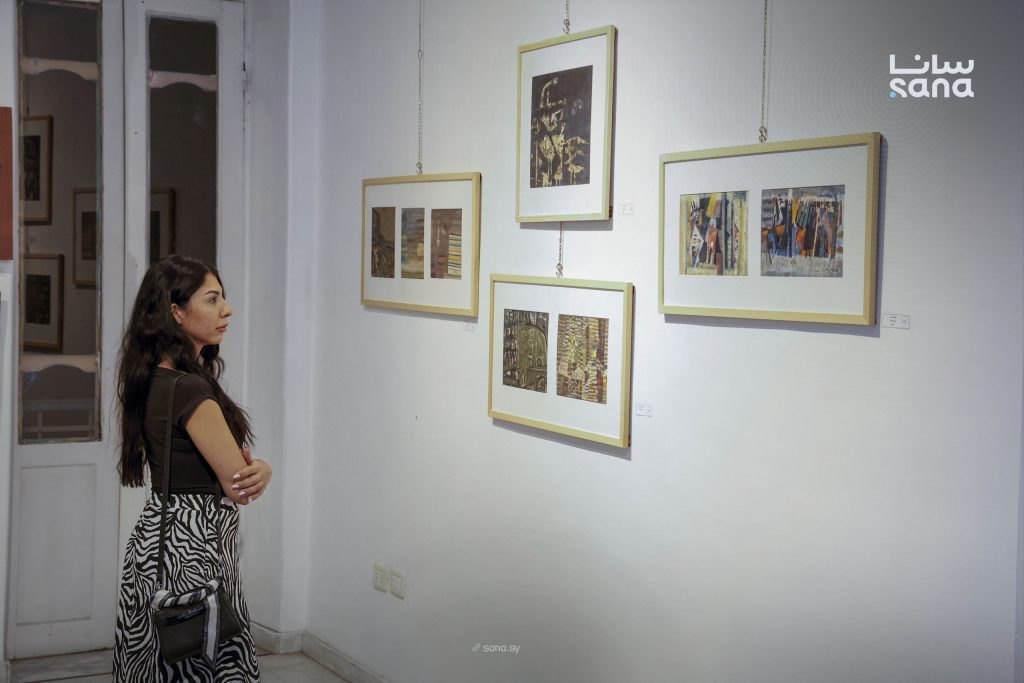
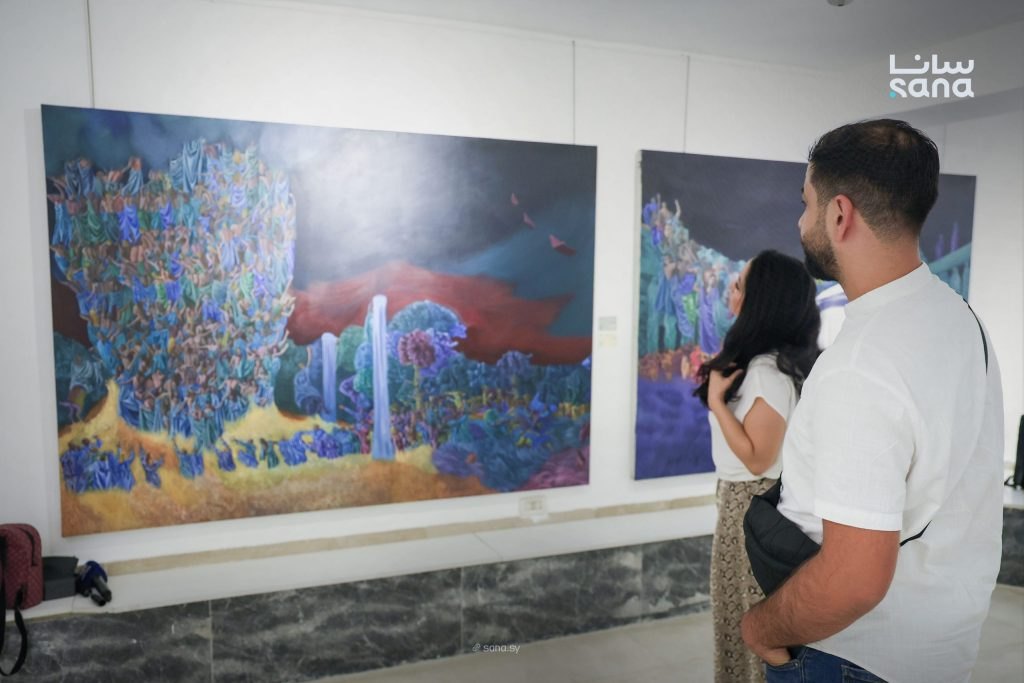
Damascus Rhythms is a retrospective of the Syrian artist Enaya al-Bukhary at the National Museum of Damascus, open from 1 to 31 October 2026. The Syrian Ministry of Culture opened the solo exhibition on Thursday 1 October at 6pm. Its thirty works, dated 1989 to 2026, bring the stages of her career together for the first time. They include an ink-wash work on card, silkscreen prints, engraved glass and mirrors, printed fabric, oil paintings on canvas and works in acrylic and oil.
The earliest piece, from 1989, is an ink-wash work in Chinese ink on card. Engraving on glass and mirror follows from 1992, worked in special colours. Her silkscreen prints on card use water-based inks of three kinds: transparent, opaque and fluorescent. A fabric wall piece printed with plastisol inks exists as a single copy. Two works are built from separate parts. The 2026 piece has five sections, 45 cm high and 500 cm long when joined, and each section can also hang alone. A painting in three parts, in acrylic and oil, has four possible hangings that give about 74 combinations. Speaking to SANA, the artist explained that this painting lays oil and acrylic over silkscreen. She lets every coat of oil dry fully before adding another, so the printed layer beneath stays intact.
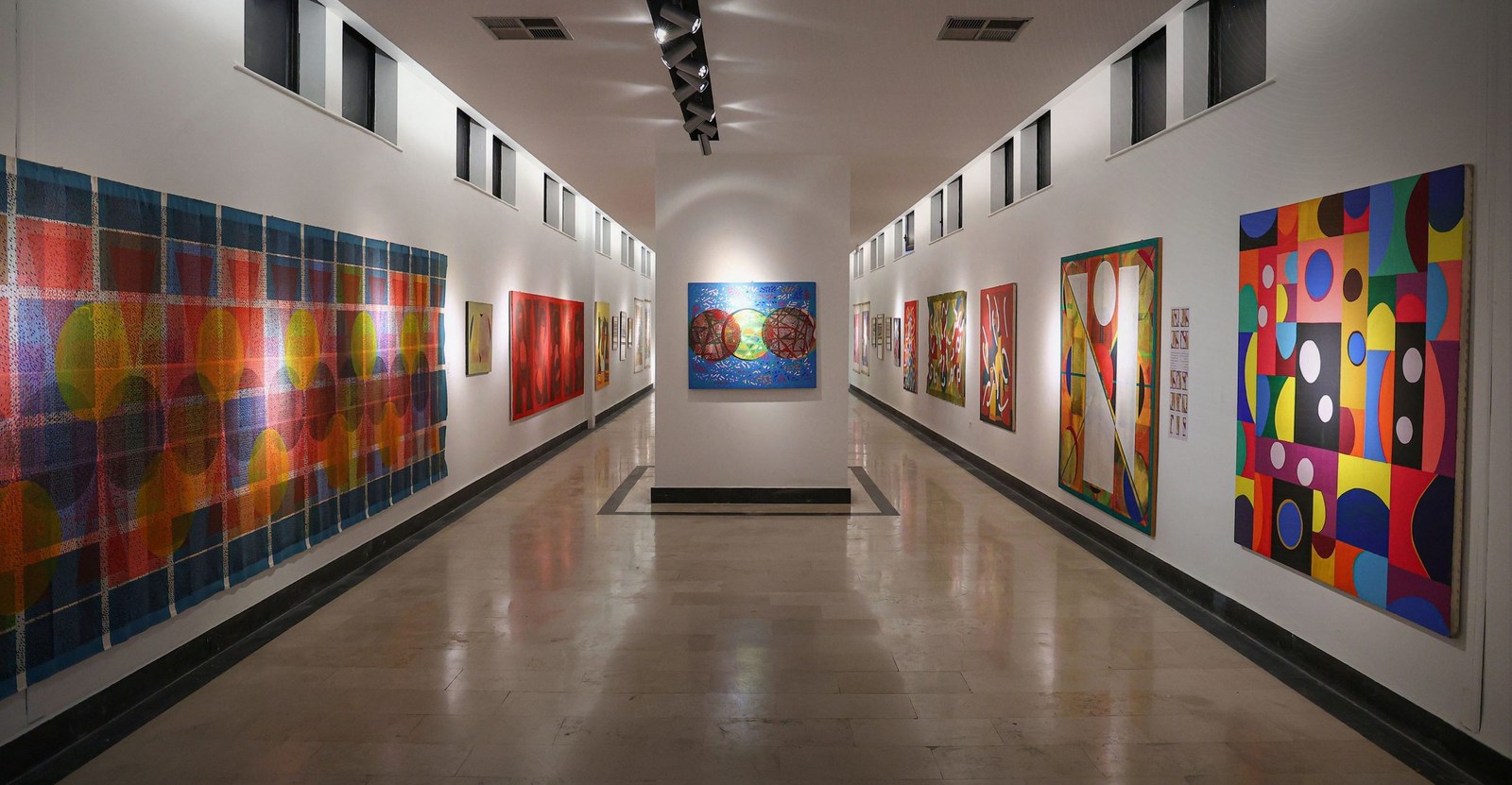
The news site Ultra Syria reports that the works are hung in the museum's Golden Hall. In its account the sequence runs from black ink on card to mirror engraving, then silkscreen on fabric and card, and finally to geometric abstraction and mixed techniques. The site ties her Damascene Miniatures series to the Damascene house, with its light and shade. It also lists motifs she returns to over the years: khawabi and other clay jars, trees, plants, fish and the crescent, each placed within colour and geometric composition. Installation photographs show large unframed geometric canvases and patterned panels on white walls. There are also framed works on paper, a long relief-like piece resting on two plinths, and printed fabric panels hung from wooden rods.
Deputy Minister of Culture Saad Naasan told SANA that opening the museum's galleries to Syrian artists with long careers is part of the ministry's support for them. The National Museum of Damascus, whose collection was founded in 1920, is run by the Directorate-General of Antiquities and Museums.