Performance Artists from the MENA Region
Art for a different kind of audience
Art for a different kind of audience
The MENA region is famous for its diverse artistic cultural heritage, from embroidery to ceramics, paintings and sculpture, we have a millennia of artistic contributions to offer the world. Recently, the region has become known for its technological creations within the visual arts, with the Jameel Prize even having dedicated its last award to the moving image. But what about performance? While video work is performance, it may not always fall into the category of performance art, and the MENA region isn’t famous for its performance artist. That said, there are plenty of MENA performance artists, so let’s introduce you to some of them!
Mona Hatoum
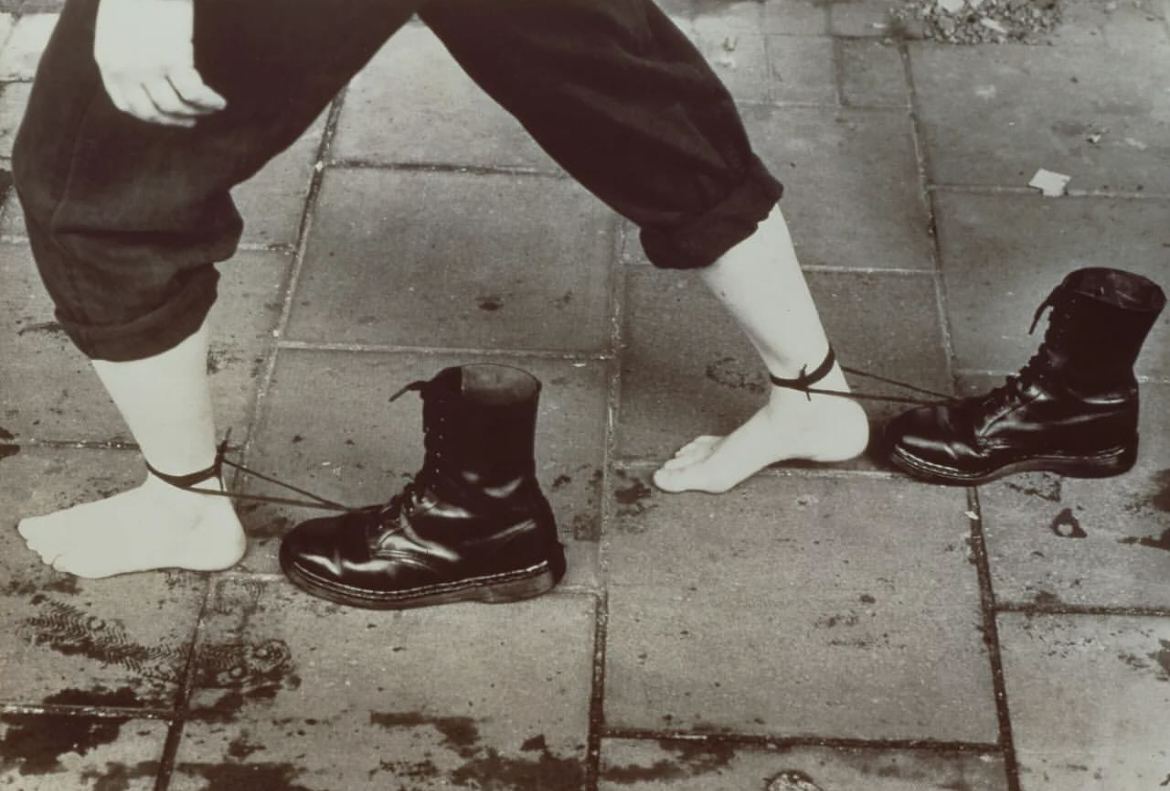
Perhaps the best known performance artist from the region is Mona Hatoum. The Palestinian artist was born in Beirut in the 1950s and incorporated performance art into her work in the 1980s. Her performances have tackled everything from exile and displacement to feminism, surveillance, colonialism and power. Her performances have seen her walk barefoot with shoes tied to her ankles as a comment on racial oppression, recite political texts that mirror a fragmented diasporan identity, and smear clay across her nude body as a metaphor of entrapment and repression.
Wafaa Bilaal
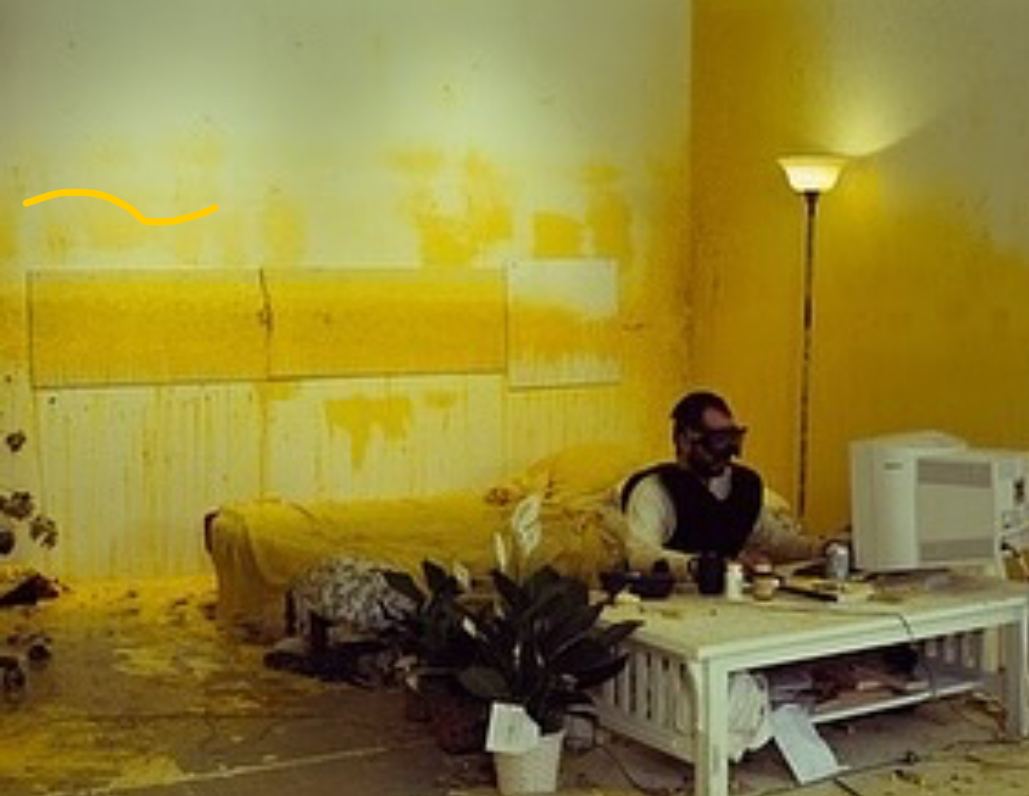
Wafaa Bilaal was born in Iraq, emigrating to the US in response to the Saddam Hussein regime. His performance works often involve technology, audience interaction and his own physical pain, prompting serious questions around ethics to his viewers. Performing as an Arab artist in the West, his works ask viewers what they have allowed to happen, morally, ethically and politically. He often puts his body in risky positions to highlight the unseen pain of others in war zones, forcing his audiences to be complicit. He also turns technology into weapons. His performances have seen him allow viewers to shoot him with a remote-controlled paintball gun from anywhere over the internet, and have his body tattooed to use pain as a form of protest.
Raeda Saadeh
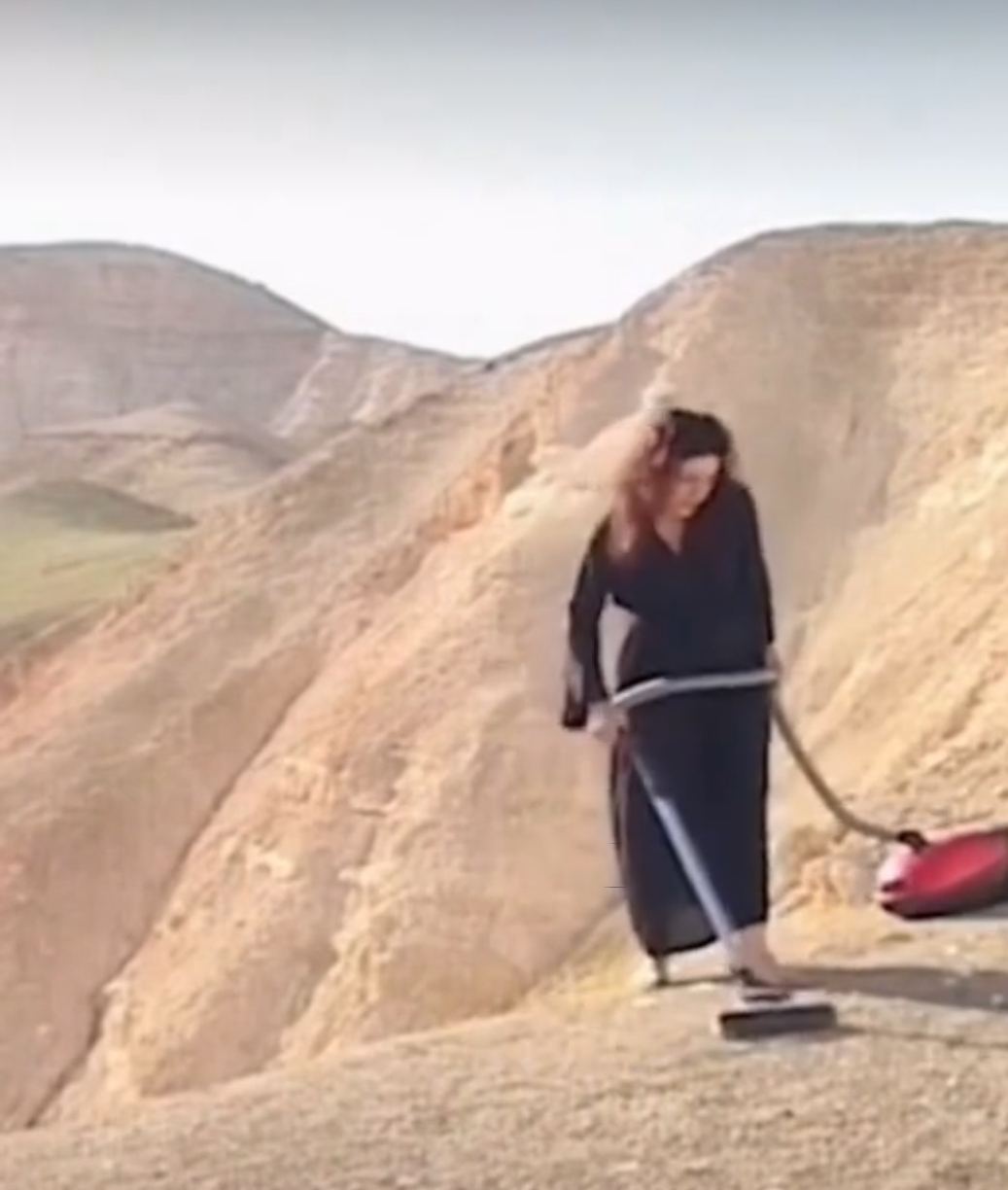
Raeda Saadeh was born in Israel and now lives and works in Jerusalem. Her experience as a Palestinian woman born in Israel sees her use her body as a means to address gender, domesticity and occupation. Her performances are generally staged specifically for photography or video, using simple objects like a piece of fabric to convey her message. She has used a vacuum cleaner in performances, both commenting on a woman’s role and the absurdity of attempting to clean places affected by conflict. She also often incorporates mythology and fairytales in her work, with one performance involving hair brushing to comment on Orientalist beauty standards.
Mohammed Kazem
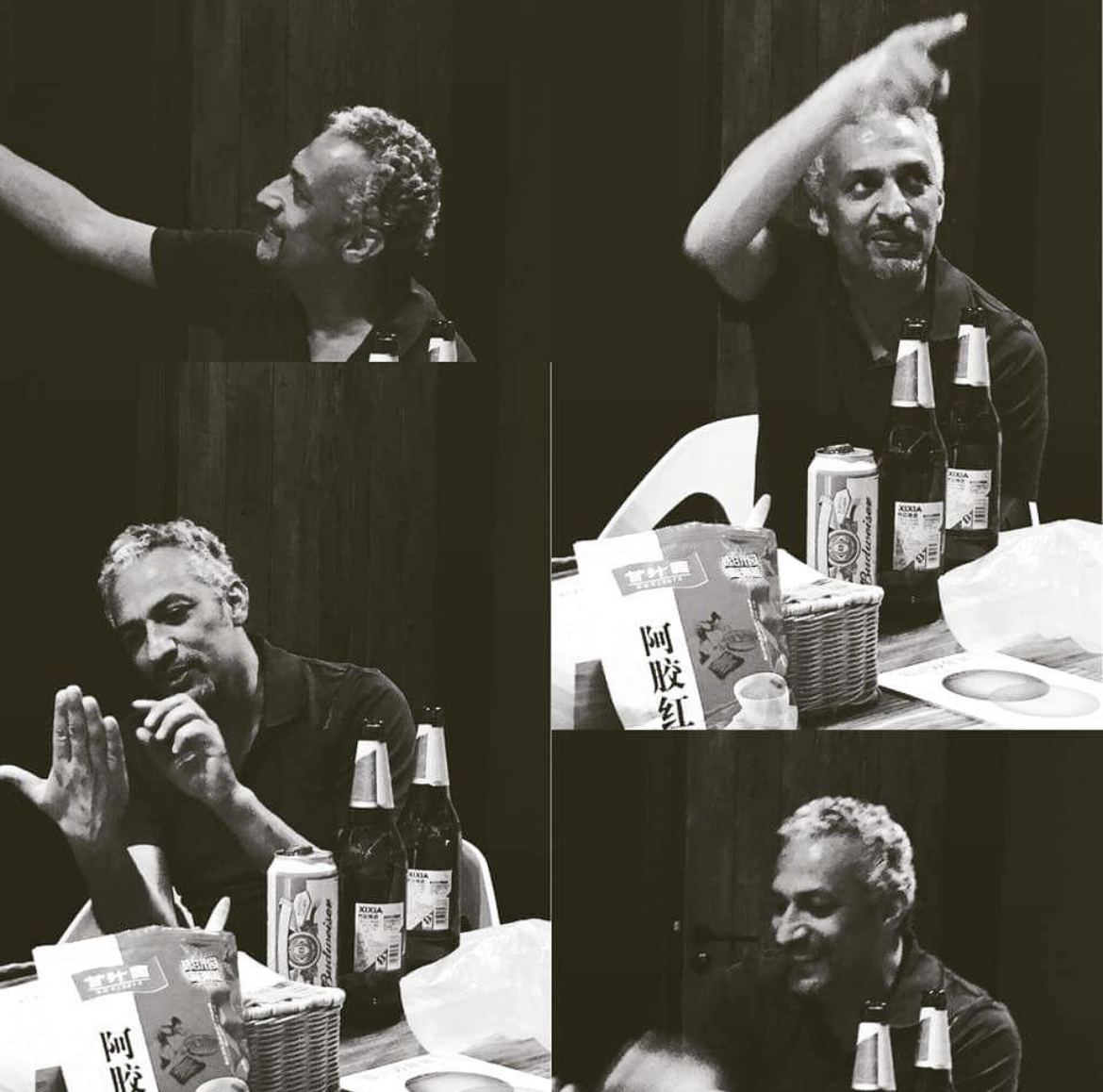
Mohammed Kazem is one of the “Five”, a group of artists mentored by Hassan Sharif, known for pioneering the Emirati art scene. Kazem’s performances are not a spectacle, but rather they are about observation and measured gestures. Although born in the UAE, Kazem was stateless for much of his life, with much of his work being influenced by his experience of being “bidun” or “without”. His performances are minimal and precise, made for the camera as opposed to live audiences. Often focusing on subtle gestures like standing, walking or scratching, these performances reflect on borders, identity and presence.
Dana Awartani
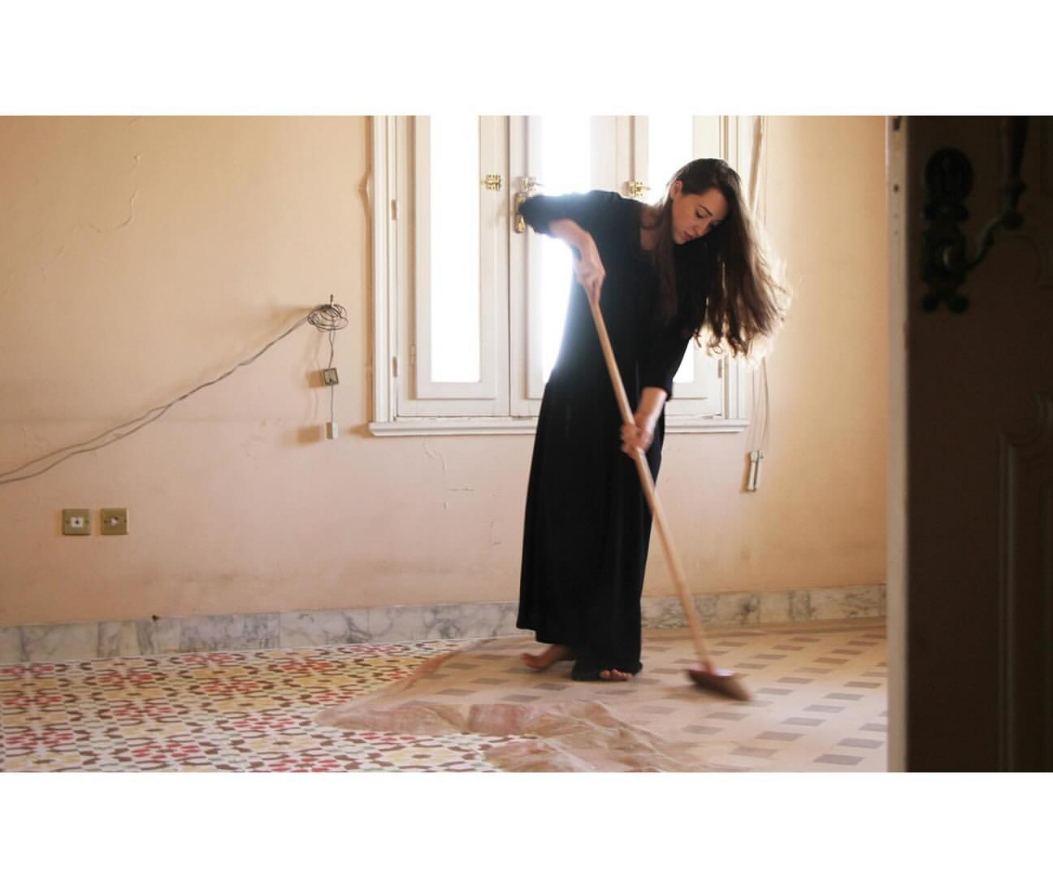
Dana Awartani is a Saudi-Palestinian artist known for her intricate work with Islamic geometry, ritual, and craft, but she also incorporates performance too. Her performances unfold slowly, reflecting the meditative qualities of Islamic craft. The repetitiveness of Awartani’s performances reflects Sufi and Islamic traditions that foster spiritual reflection. One of her most noteworthy performances sees her sweep away a traditional Islamic geometric pattern made from sand as a metaphor for the loss of cultural heritage in a time of rapid modernisation. Another piece sees her write female Arabic poetry onto fragile surfaces, using her hands to reclaim silenced female voices.
Khaled Jarrar
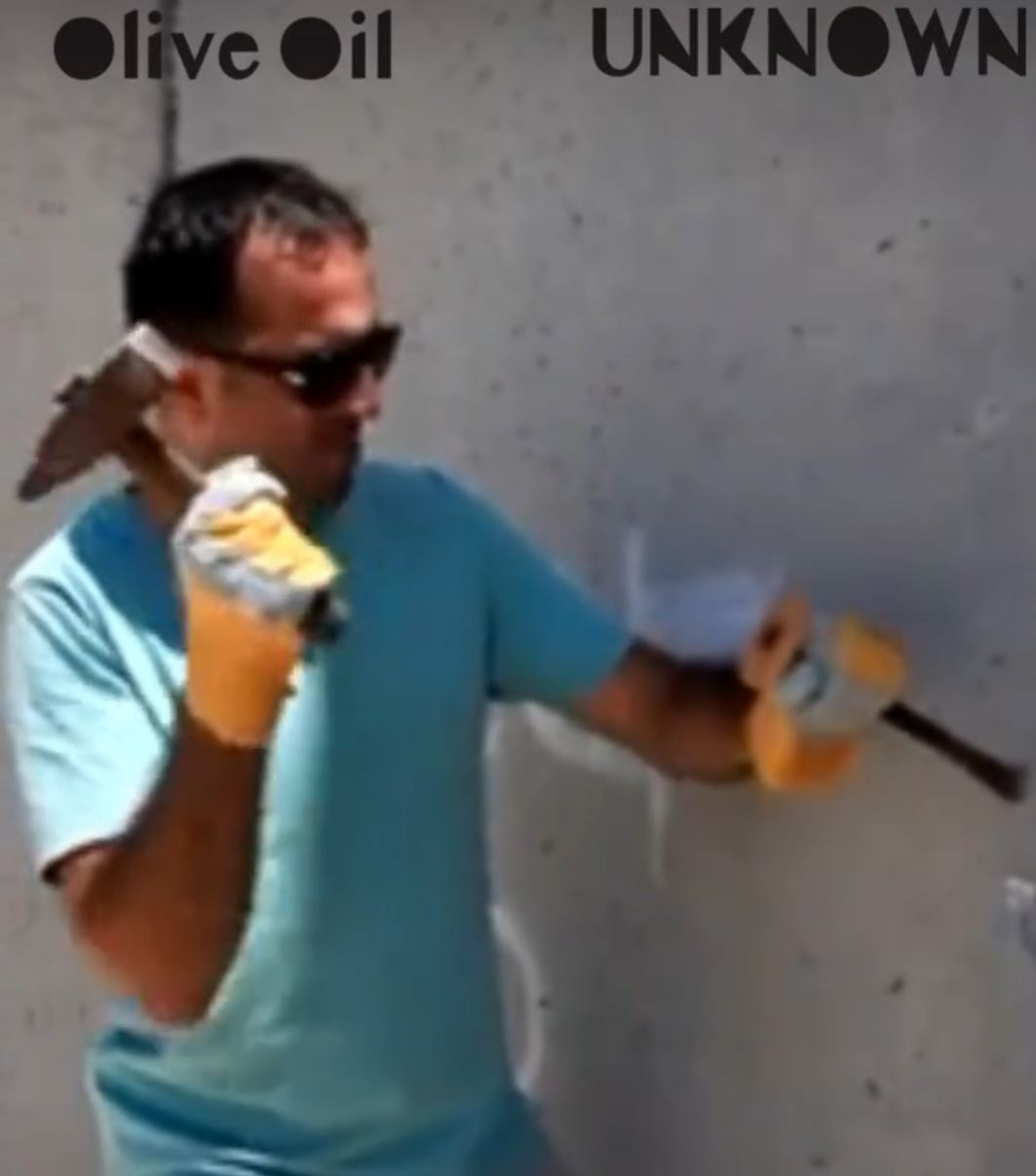
Palestinian artist Khaled Jarrar incorporates his body, blood and weapons to shock his viewers into reflecting on resistance, occupation, militarisation and nationhood. His work has included public interventions, having issued pseudo-official stamps to travellers to subvert the reality of statelessness, building a wall of bread to comment on hunger under occupation and chiselling concrete from the separation wall to create everyday objects, reclaiming the infrastructure of violence and turning it into art. His works question power, state control, the commodification of violence and global military profiteering.
Majda Khattari
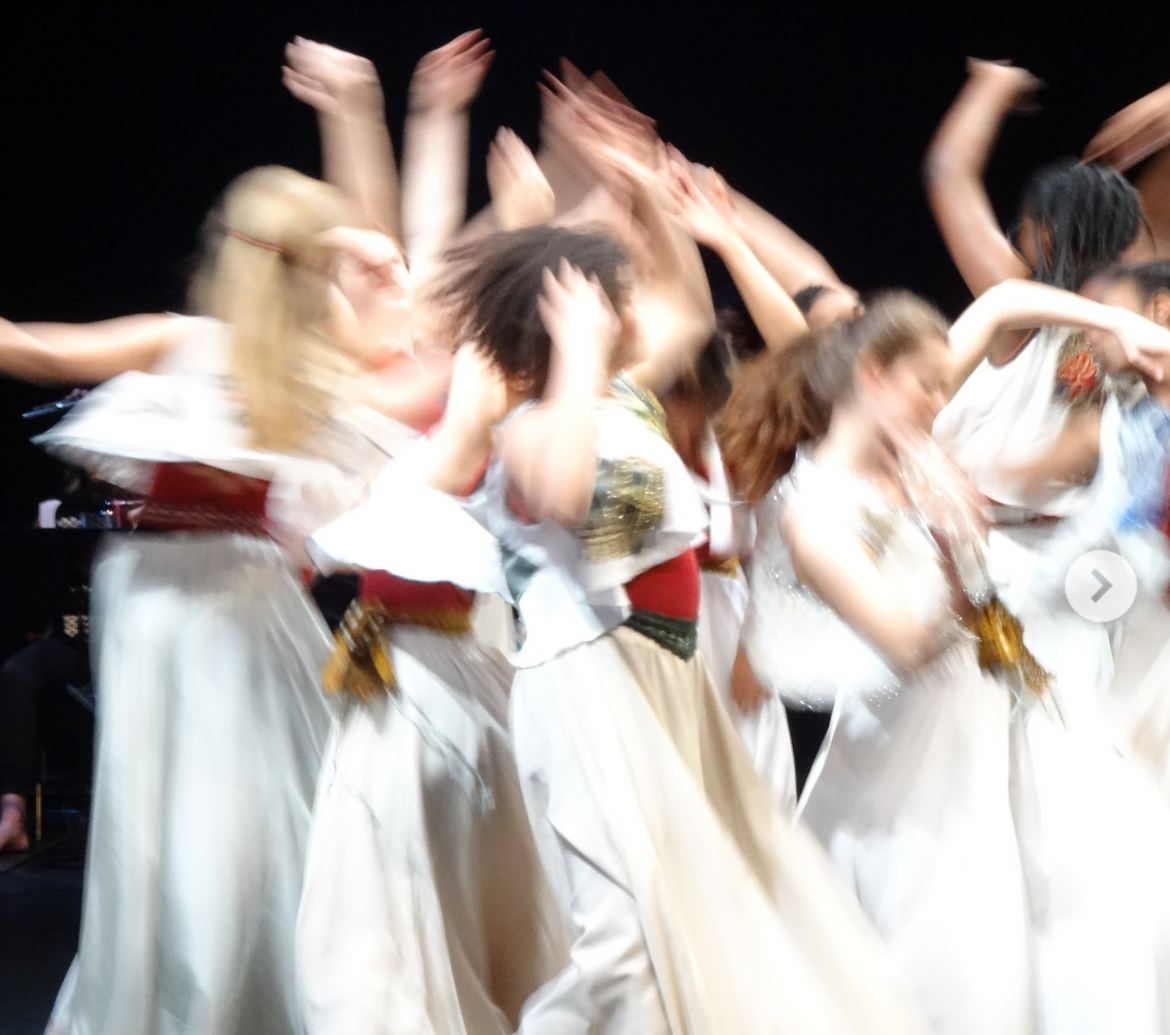
Majid Khattari is a Moroccan‑French artist known for her bold, feminist critique of cultural, religious, and sartorial constraints, initially through her fashion show performances that included women dancing in Islamic garments. Her work challenges both the MENA region, and Western stereotypes, critiquing both Islamic clothing and Western bridal dresses, once wiring one with residence permits. She has also explored veiling practices, commenting on how some styles may prevent free movement.
Tania El Khoury
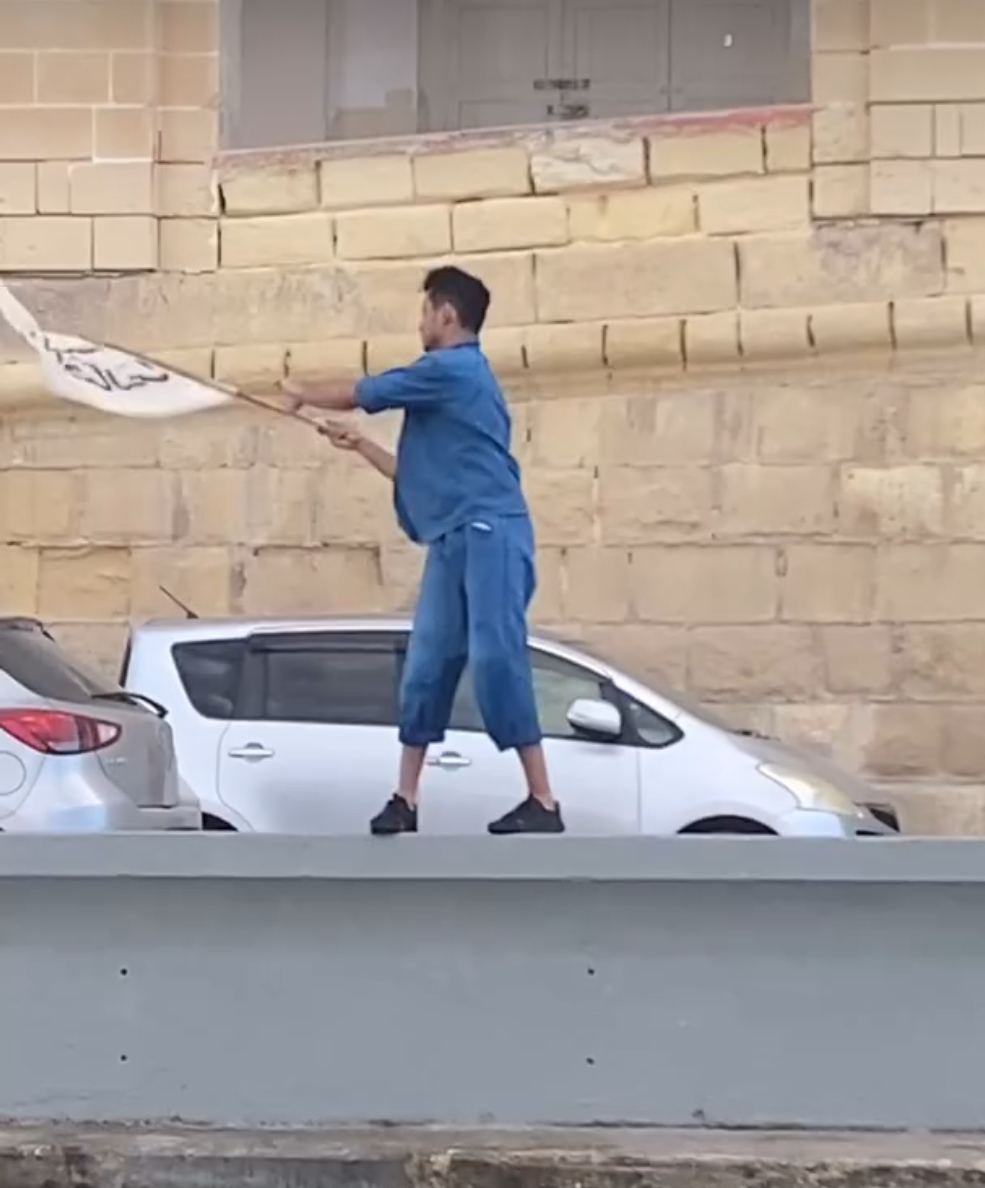
Lebanese performance artist Tania El Khoury is the co-founder of Lebanon’s Dictaphone Group, a performance and research collective. Through her performances, she turns viewers into participants, asking them to whisper stories and touch artifacts. She often stages performances in site-specific spaces with all of the senses in mind, incorporating sound, smell, and touch. Her works often comment on experiences connected to borders, migration, state violence and war, often tied to a Lebanese context.
More from News
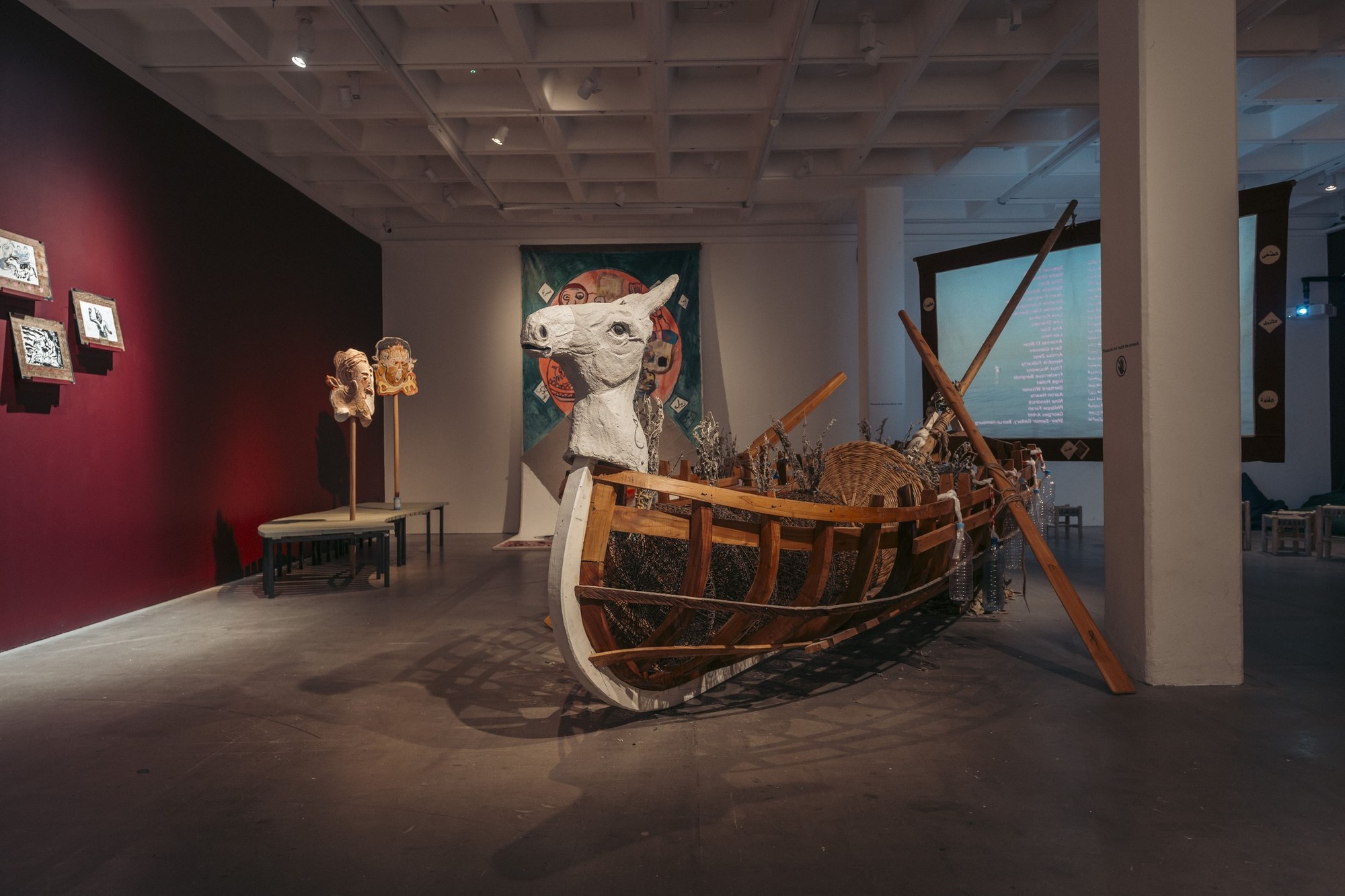
Mounira Al Solh Stitches Myth, Migration and the Feminine into New Work
Lebanese artist Mounira Al Solh turns ancient Phoenician myth into some of the most quietly radical work coming out of the MENA region, from her Venice Pavilion to her collaboratively embroidered tents.
Yemeni Artists You Should Know
From its striking architecture, to its poetry and music traditions, Yemen has a rich artistic history. Yemen also has a contemporary art scene too. A new generation of Yemeni artists is redefining cultural narratives,…
10 Contemporary Turkish Artists You Should Know
The Turkish art scene is booming. Beyond institutions like Istanbul Modern, the Istanbul Biennial and Contemporary Istanbul, a flourishing contemporary art scene is making a lot of noise within the wider MENA art scen…