MENA Artists Incorporating Traditional Crafts in a Contemporary Way
The MENA art scene is quickly changing, and evolving. New galleries and art fairs are opening everyday and artists are incorporating innovative technologies into their work. But this doesn’t mean that the traditions a…
The MENA art scene is quickly changing, and evolving. New galleries and art fairs are opening everyday and artists are incorporating innovative technologies into their work. But this doesn’t mean that the traditions and crafts of our past are fading into the background. The MENA region has a long history and appreciation for traditional craftsmanship from weaving and embroidery to calligraphy and marquetry, these centuries’ old artforms are being reimagined by 21st century artists. Keep reading to find out more about how contemporary MENA artists are reinterpreting traditional crafts in a modern way.
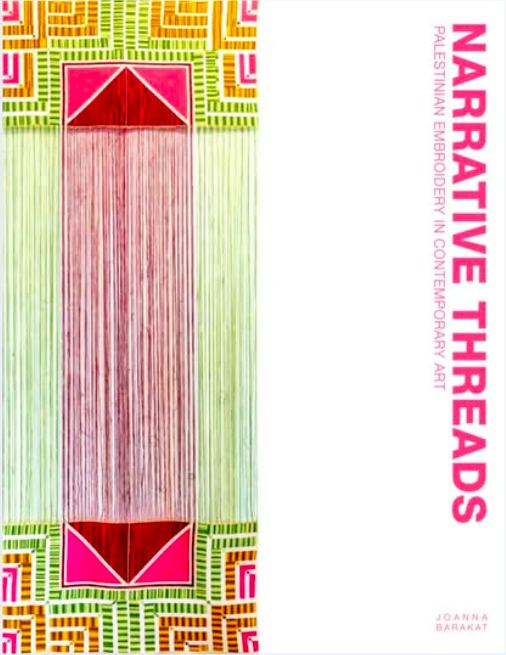
Joanna Barakat, artist and founder of the Tatreez Circle has recently published a book called Narrative Threads, highlighting Palestinian Embroidery in Contemporary Art. “Artists include craft in their work to honour, preserve and innovate the heritage that the craft is part of. There is something so beautifully human about the tactile nature of things made by hand”, she says, “In the case of Palestinian embroidery, or tatreez, many artists use it across various mediums to convey concepts that relate to what the embroidery represents. Palestinian embroidery is evidence of Palestinian indigeneity and existence. It is an integral part of our story and history. When artists use it as a medium or incorporate it in their work, even if their work has nothing to do with Palestinian embroidery or Palestine, there is a visual identifier of Palestine present, and the symbolic nature of the embroidery makes the artwork more meaningful.”
There are many contemporary artists incorporating Palestinian embroidery into their work including Jordan Nassar, Samar Hejazi and Dana Barqawi amongst many others. “Artwork featuring Palestinian embroidery is a testament to the enduring impact of the symbolism associated with our rich heritage. With Israel making all efforts to erase and appropriate our culture, I felt the need to document and contextualise ways artists use Palestinian embroidery in their artwork”, explains Barakat, “With NarrativeThreads: Palestinian Embroidery in Contemporary Art, I wanted to start the conversation about the pivotal role that artists played in shaping the symbolism associated with Palestinian embroidery. When Palestinian artists in the 1960s and 1970s aimed to evoke a sense of national consciousness, they used symbolic imagery to evade the censorship imposed by the Israeli occupation. They created a sense of connection, ownership, and identity for the Palestinian viewer to feel when looking at tatreez. The embroidery and the image of a woman in her embroidered dress became an emotive metaphor of Palestine and Palestinian identity in their artwork. While some contemporary artists continued to use this symbolism, others transformed it to express various concepts and ideas.”
Besides embroidery, many other contemporary artists from the MENA region are incorporating traditional craft into their work too. Jason Seife is a Cuban-Syrian artist who is most famous for painting carpets. “I was searching for a visual language that could hold both personal and cultural weight, something intricate, meditative, and steeped in history. Carpets felt like a natural bridge”, he says, “They carry stories in their patterns, coded memories in their motifs. I grew up surrounded by these designs in my family’s home, but it wasn’t until later that I realized they are more than objects. They could be vessels for narrative, a way to map identity and experience onto the surface of a painting.” For Seife, it’s important that his heritage is reflected within his art. “I believe my heritage is not just a backdrop, but a living thread that connects me to generations before me. In a time when traditions can be diluted or forgotten, I feel a responsibility to recontextualize them and keep them alive in a contemporary dialogue”, he explains, “By weaving elements of my culture into my work, I am both preserving and transforming them, making them relevant in a way that resonates with people who may share my background and introducing them to those who do not.” And, like many other artists with roots in the MENA region, Seife believes that it is important that the past transforms into something contemporary. “My hope is that they see these works as living archives, not static images of the past, but evolving conversations between memory and the present”, he says, “Whether they connect through the patterns, the textures, or the emotions embedded in the work, I want them to leave with a sense that heritage is not fixed. It is something that can grow, adapt, and remain vital.”
An artist herself, Barakat uses tatreez in her own artwork too. “When I first started incorporating Palestinian embroidery in my artwork, I was fascinated with how I could use it as a language to convey ideas”, she explains, “I discovered that it adds a layer of meaning that signals Palestinian identity, textures that evoke a feeling of home, and a subtlety that evades censors. It opens spaces for conversation and connection.” She also mentions some other artists too: “I am really excited that I included Maha Daya’s artwork in the book. She started a series of embroidered evacuation maps while displaced in Gaza. She uses Palestinian embroidery to process her personal feelings while recording the collective experience of the Israel’s genocide of Palestinians in Gaza.” And, since publication, she has discovered even more artists inspired by the craft: “I love the way that Sabri Sundos has integrated tatreez into his textile practice. Another artist who began to incorporate tatreez in her artwork is Tala Atrouni, who puts aside the needle and thread to create tatreez motifs using computers and engineering. It’s always wonderful to see artists come up with new ways to use Palestinian embroidery, while still honouring its heritage.”
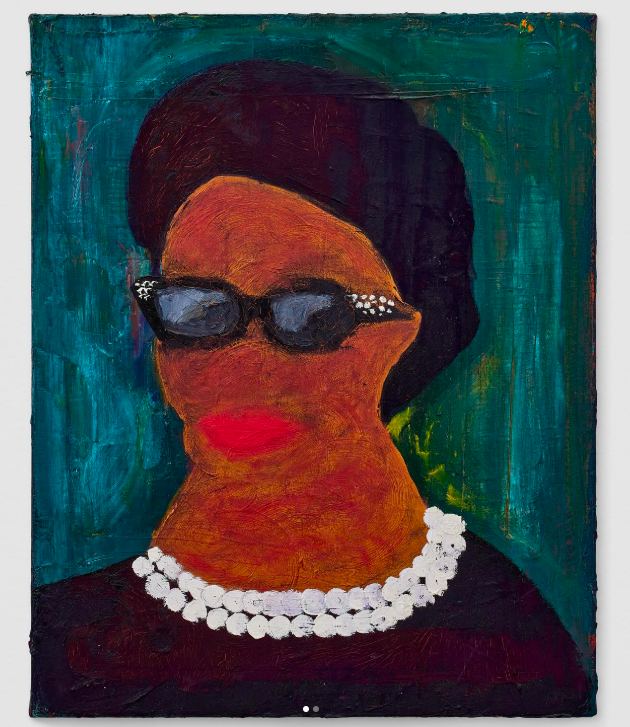
In weaving traditional crafts into contemporary practice, MENA artists are not simply preserving heritage, they are reshaping it. By reimagining techniques such as embroidery, calligraphy, ceramics, or carpet weaving within contemporary contexts, these artists assert cultural continuity while challenging the boundaries of modern art. Their work becomes both a dialogue with the past and a critique of the present, opening space for narratives that are local yet globally resonant. Ultimately, the use of traditional crafts in contemporary art demonstrates how heritage can be a living, evolving force, one that grounds innovation, amplifies identity, and ensures that the region’s cultural legacies remain not only relevant but transformative in the modern world.
More from News
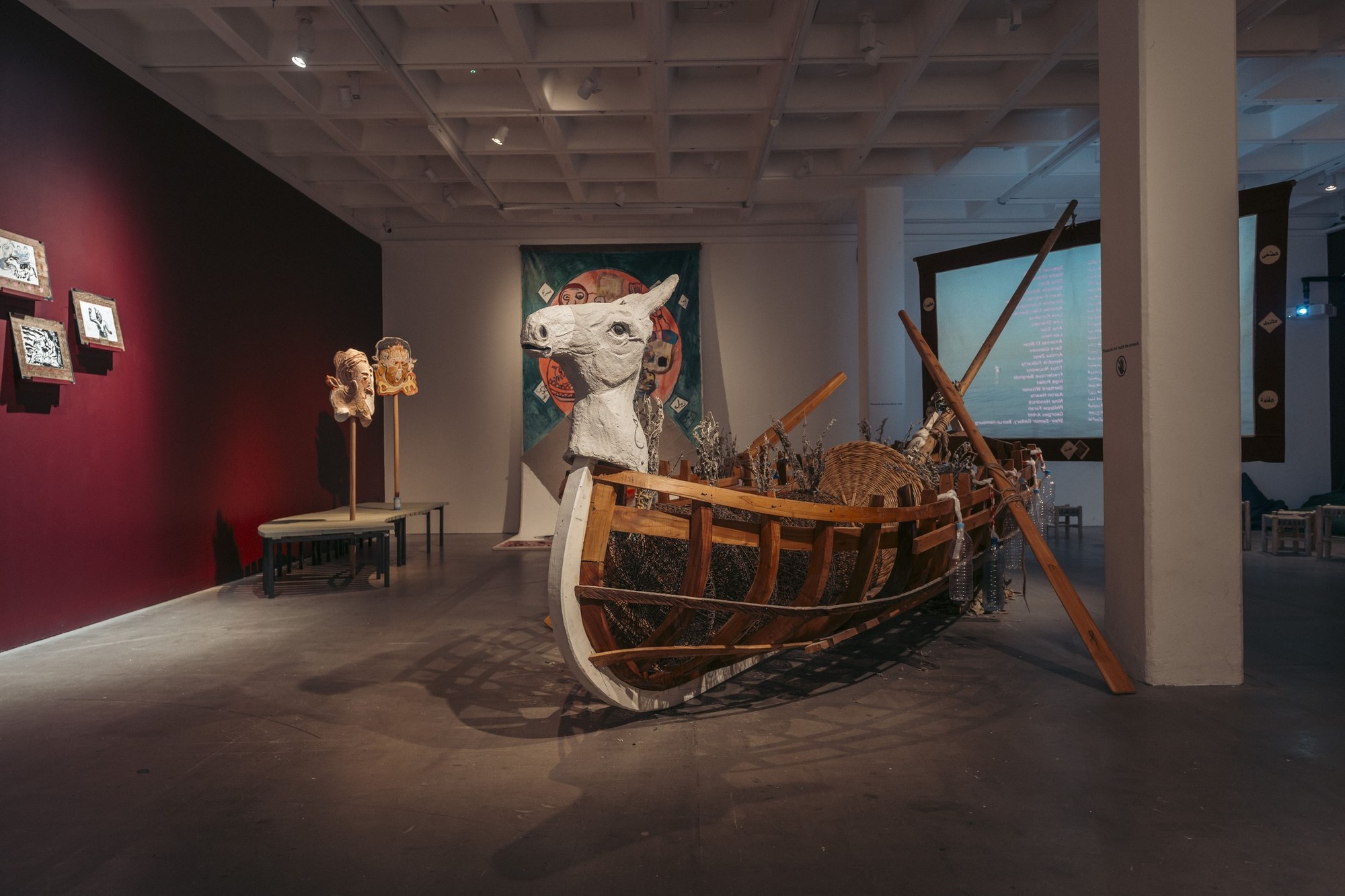
Mounira Al Solh Stitches Myth, Migration and the Feminine into New Work
Lebanese artist Mounira Al Solh turns ancient Phoenician myth into some of the most quietly radical work coming out of the MENA region, from her Venice Pavilion to her collaboratively embroidered tents.
Yemeni Artists You Should Know
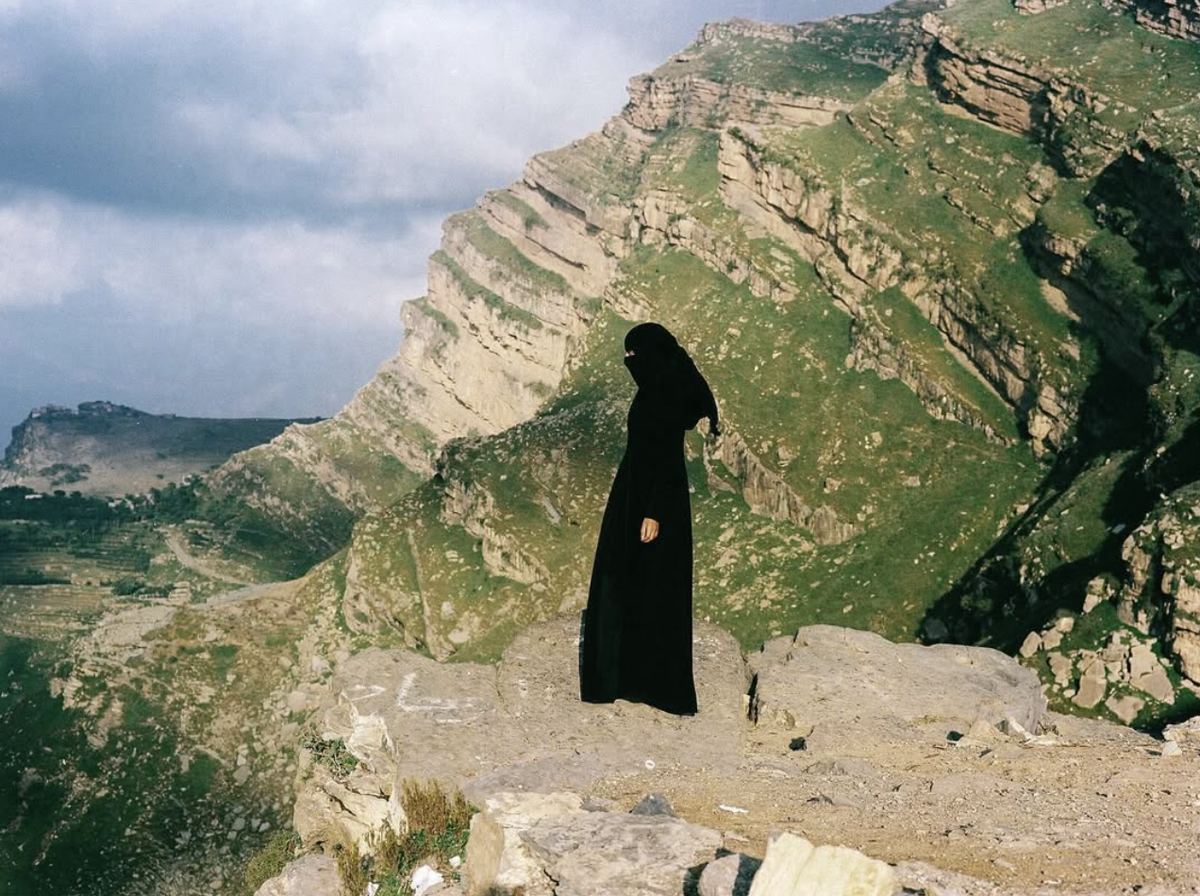
From its striking architecture, to its poetry and music traditions, Yemen has a rich artistic history. Yemen also has a contemporary art scene too. A new generation of Yemeni artists is redefining cultural narratives,…
10 Contemporary Turkish Artists You Should Know
The Turkish art scene is booming. Beyond institutions like Istanbul Modern, the Istanbul Biennial and Contemporary Istanbul, a flourishing contemporary art scene is making a lot of noise within the wider MENA art scen…