10 Contemporary Iranian Artists You Should Know
When it comes to individual art scenes within the MENA region, the Iranian art scene is probably the most exciting. Beyond its rich history, Iranian art is also very contemporary, and has even birthed many major art m…
When it comes to individual art scenes within the MENA region, the Iranian art scene is probably the most exciting. Beyond its rich history, Iranian art is also very contemporary, and has even birthed many major art movements, including the Saqqakhaneh movement. Moreover, whether working in Iran, or in diaspora, many Iranian artists are smashing auction records and being recognised by major galleries and international art fairs. Blending centuries-old traditions with fearless experimentation, contemporary Iranian artists are making waves on the global stage. In this article, we spotlight 10 contemporary Iranian artists you need to know, who are not only shaping the art world, but also offering a fresh lens on the heart and soul of what it means to be an Iranian artist today.
Ali Banisadr
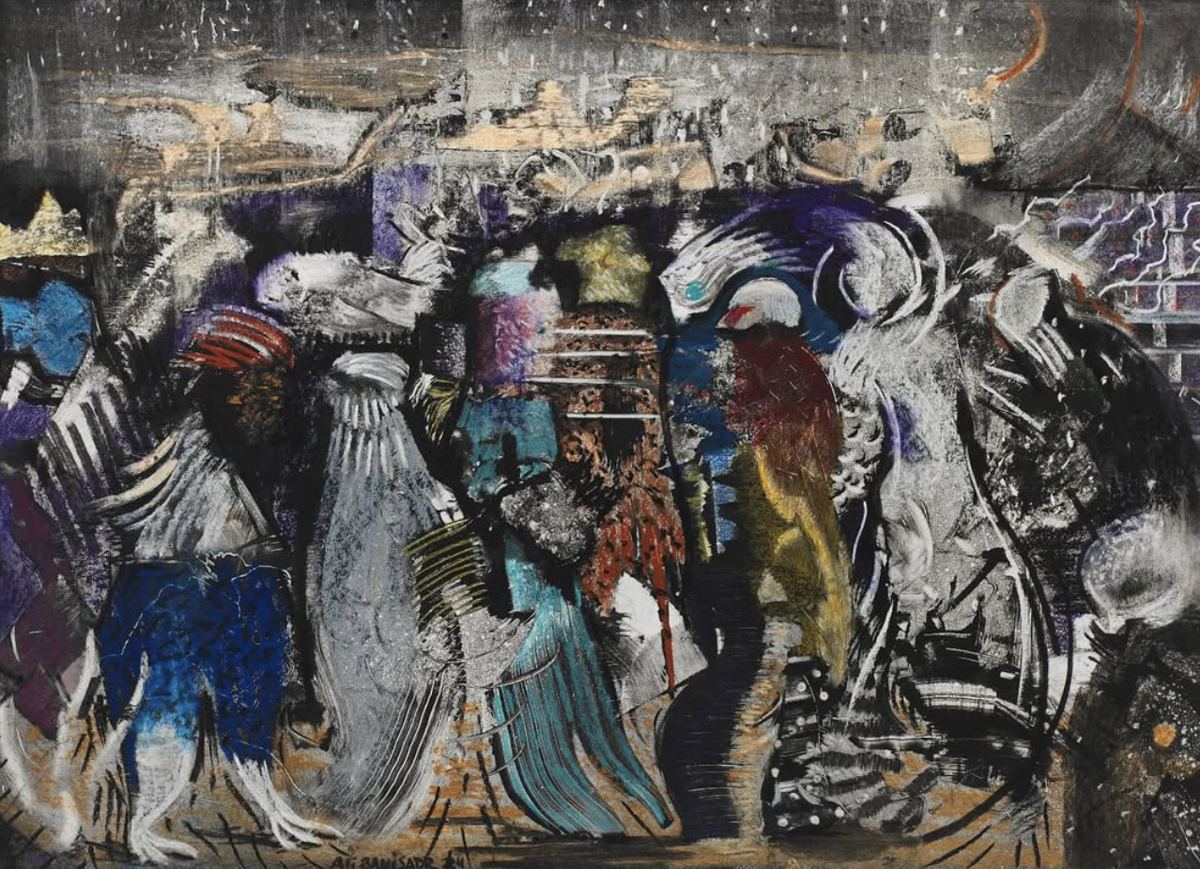
Born in Tehran, and now based in New York, Ali Banisadr is known for his large scale oil paintings that combine abstraction with figuration. His works are colourful and impactful, full of motion and intensity. And, though abstract, there is often a narrative element to his work. Banisadr’s work has been exhibited globally and is in prestigious collections including The Metropolitan Museum of Art and The British Museum.
Shirin Neshat
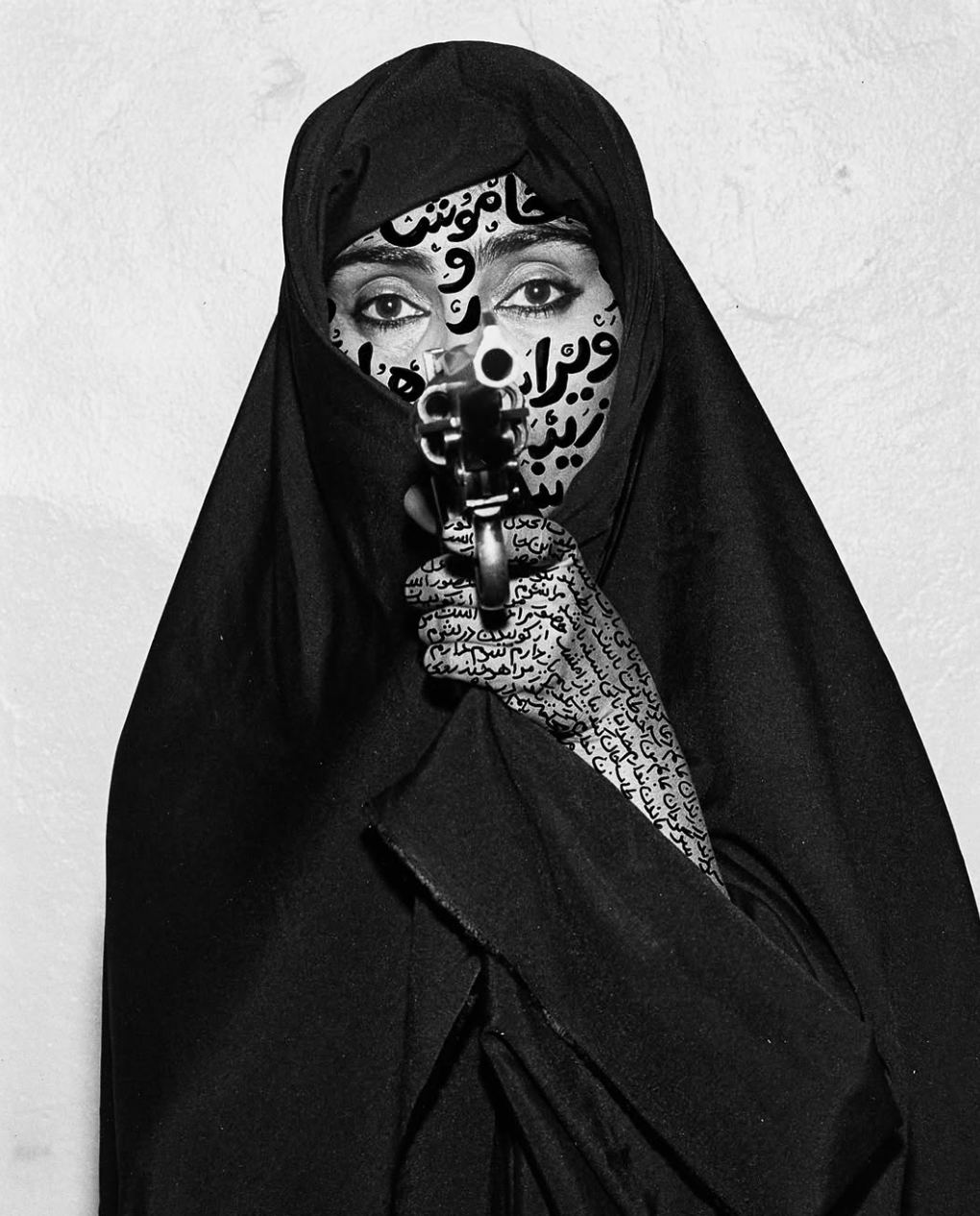
Shirin Neshat is probably best known for her emotional black and white photographic portraits with calligraphic overlay, but she is also a filmmaker too. Her work often comments on gender, identity and political issues, especially in the Iranian context. Born in Iran, she moved to the US to study and stayed there during the 1979 Iranian Revolution, with much of her work commenting on displacement and cultural identity. Her work has been exhibited widely including at the Tate Modern and during the Venice Biennale.
Parviz Tanavoli
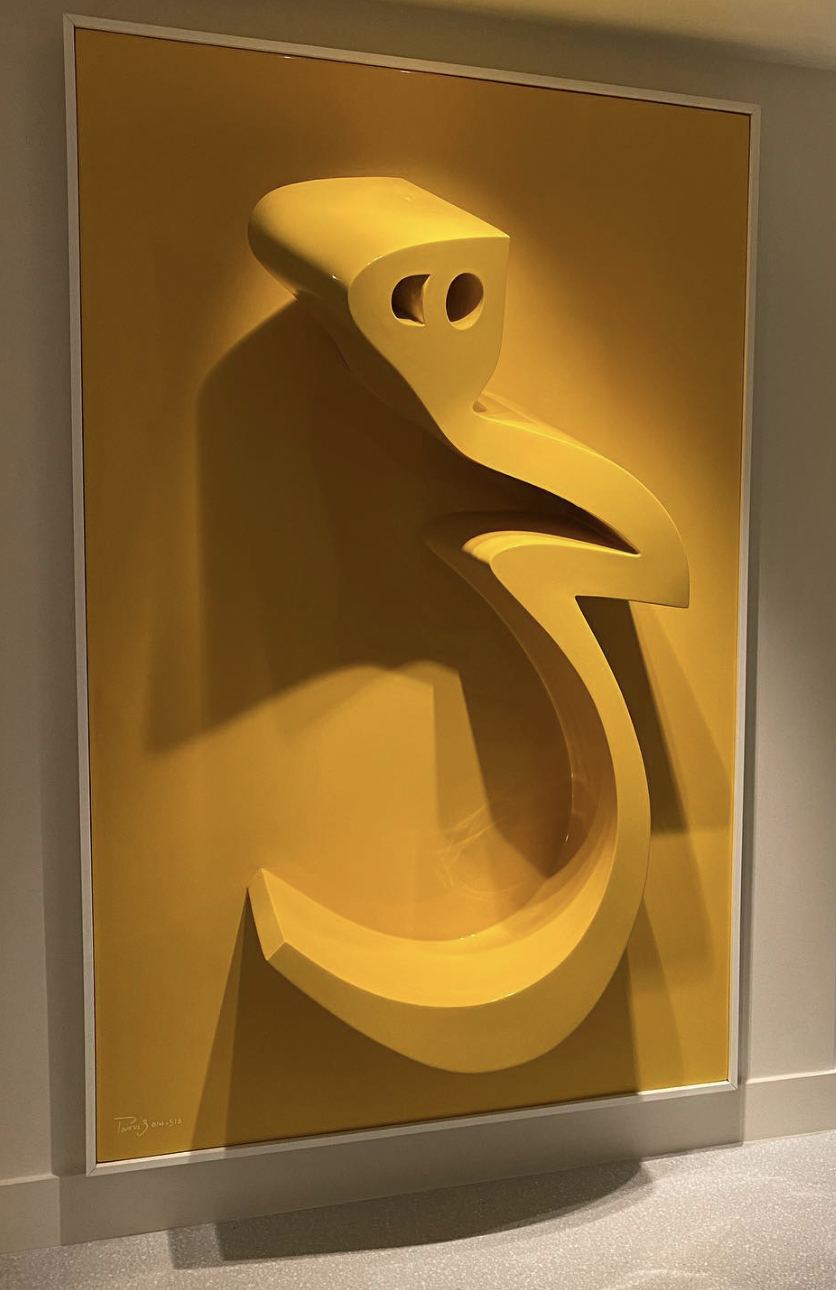
Parviz Tanavoli was born in Iran, and lives and works between Tehran and Vancouver. He is credited as being the father of modern Iranian sculpture, and was head of the Sculpture Department at the University of Tehran between 1964 and 1979. He is perhaps best known of his iconic Heech series meaning “nothingness” in Persian, which see calligraphic sculptures of the word “heech” in various materials. Known for helping define a visual language for Iranian modernism distinct from the West, his work is in major collections including the British Museum, Metropolitan Museum of Art, and Tate Modern.
Hana Moazzeni
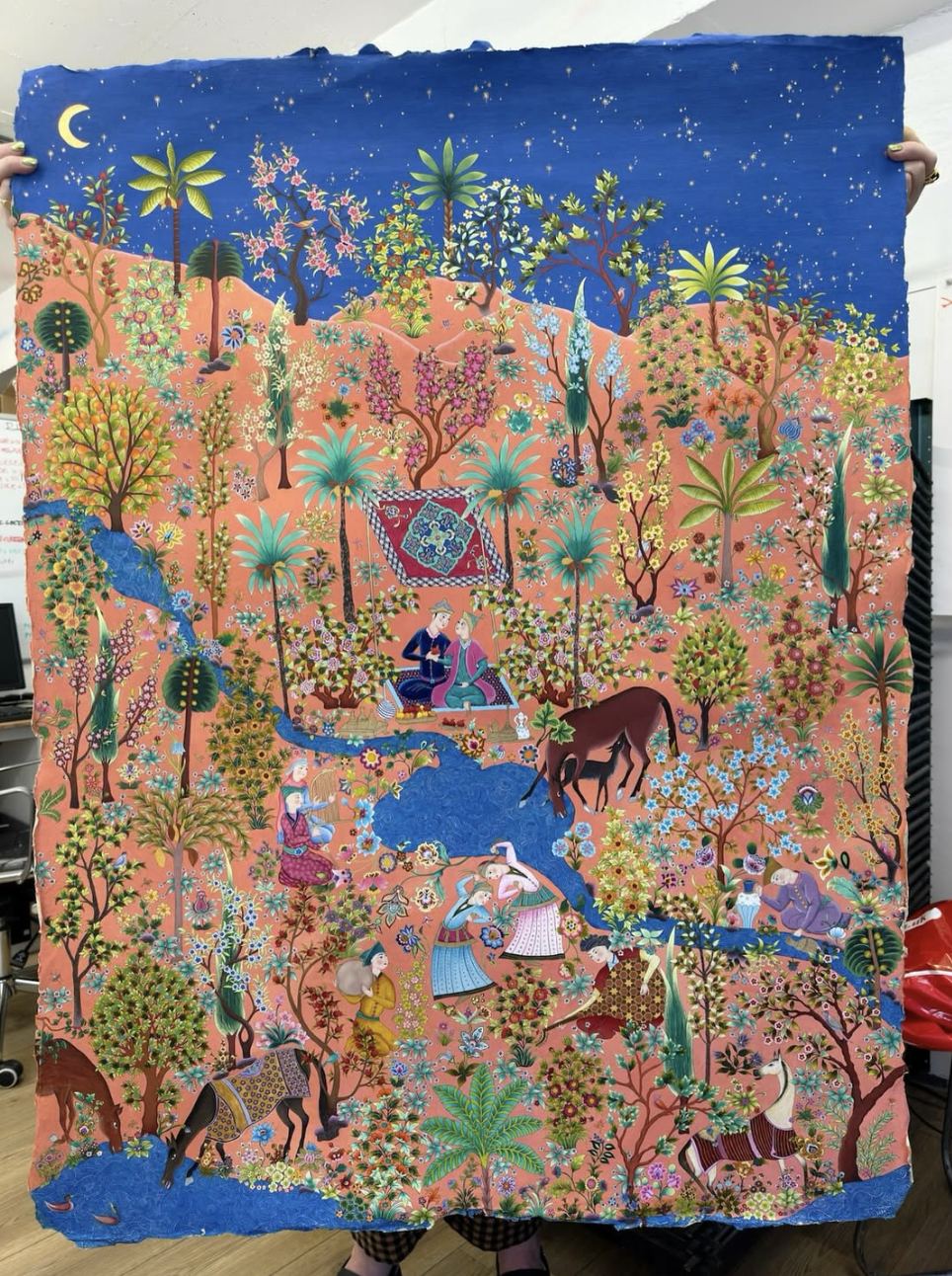
Hana Moazzeni is a British-Iranian artist known for her large-scale, highly detailed Persian miniature paintings inspired by mythology, folklore, and traditional literature. She uses hand-made pigments from semi-precious stones, plants, earth and other natural materials. Her work often looks at the relationship between humanity and nature, the connection to the earth, ancestral wisdom, healing, and mythic narratives. Her art is part of the collection of the Islamic Arts Museum Malaysia.
Reza Aramesh
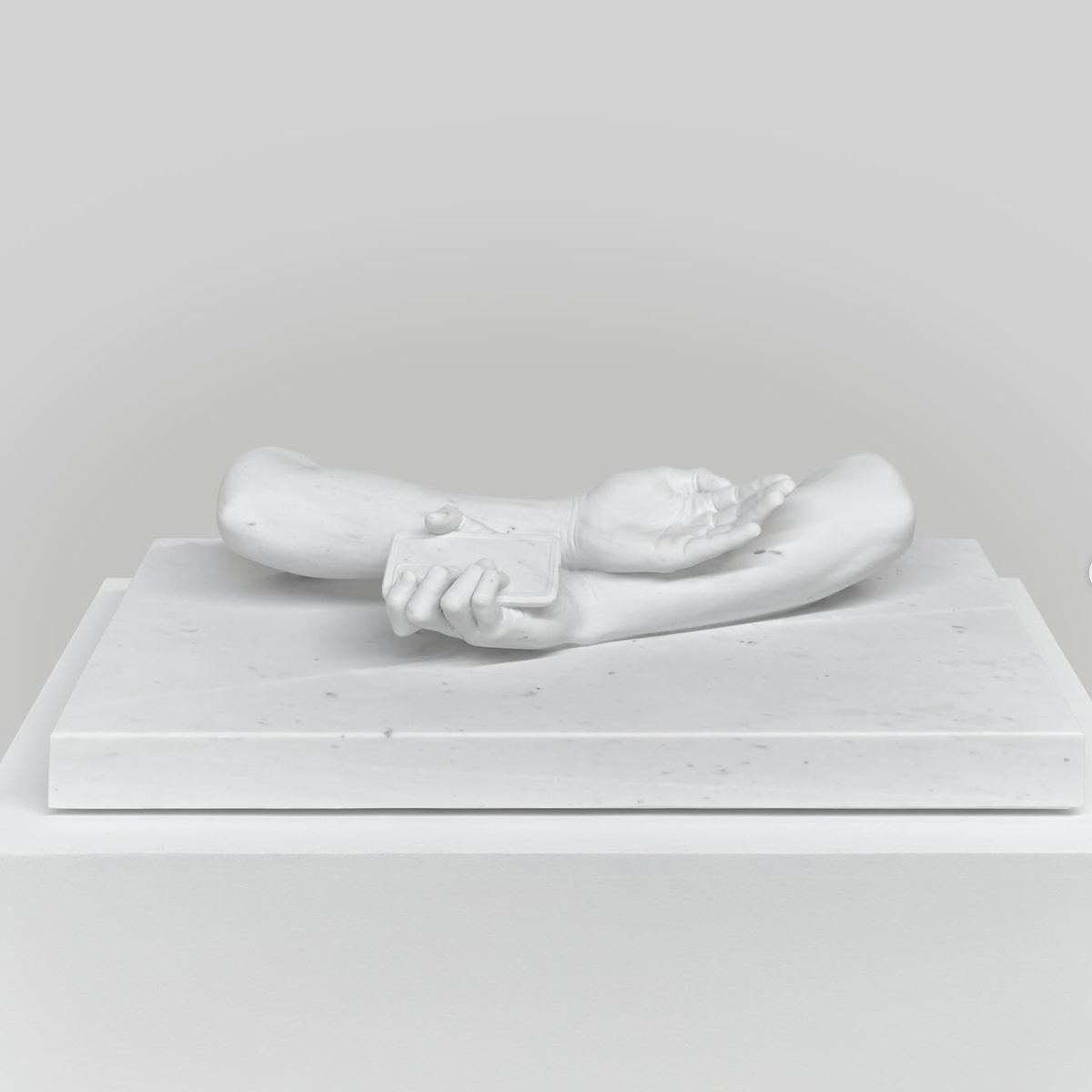
Reza Aramesh was born in Iran and moved to London as a teenager. He is probably best known for his sculptural work, exploring the intersections of beauty and brutality and the “subjected body”, which he often depicts as male and non-European. His work engages with conflict, captivity, war and suffering, asking questions about how violence is commodified and represented. He represented Iran at the 56th Venice Biennale.
Maryam Tafakory
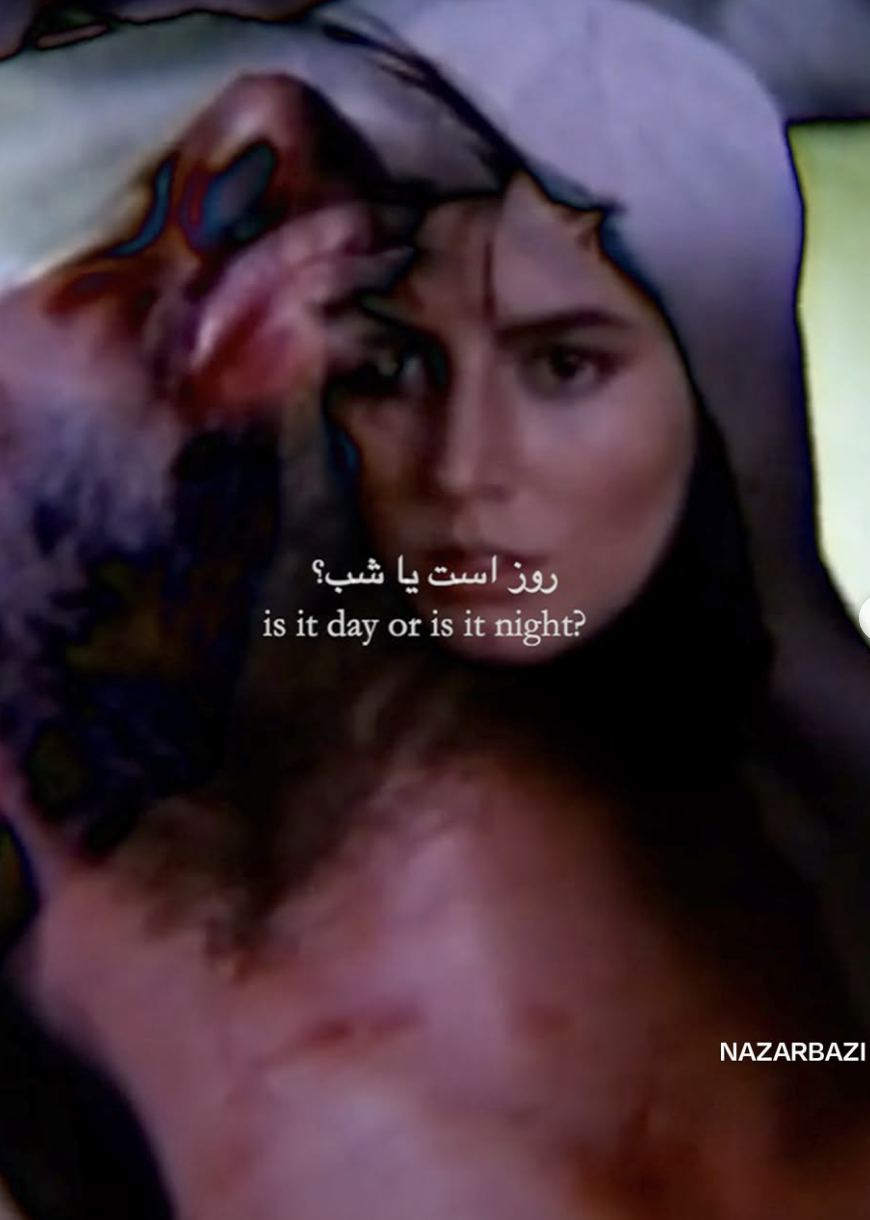
Maryam Tafakory’s work spans film, performances, video essays, and live moving-image installation. She was born in Iran and now lives in the UK. Her research-based practice investigates archives of post-revolutionary Iranian cinema and texts, looking at the ways images and bodies are represented or erased. Her work has been exhibited widely including at the Museum of Modern Art in New York and BOZAR in Brussels.
Y.Z. Kami
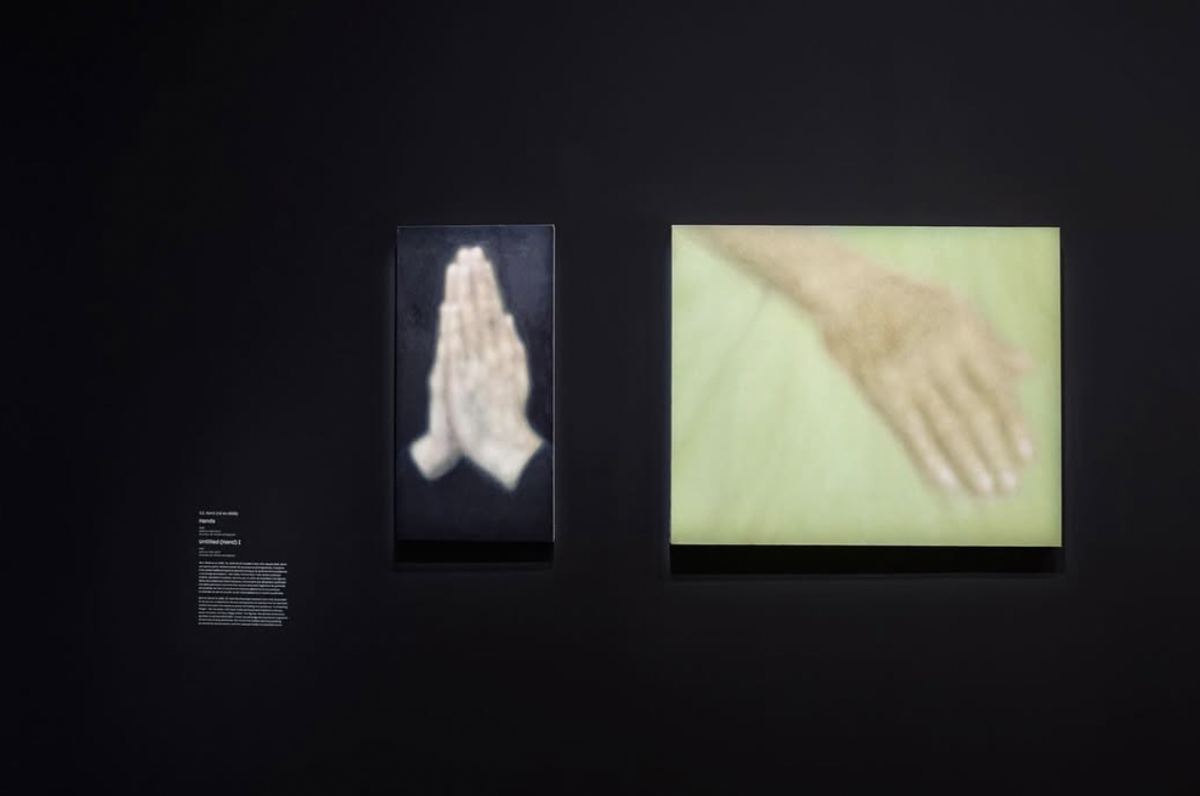
Yousef Zarab Kami was born in Tehran and now lives in New York. He is best known for his large-scale, contemplative portraits that often depict blurred, softened heads with luminous brushwork. They focus on inner life, spirituality and introspection. He is influenced by Sufi spiritual philosophy and Persian mythical poetry by the likes of Rumi and Hafez. His work is in the collections of the Metropolitan Museum of Art, British Museum, and the Morgan Library & Museum.
Reza Derakshani
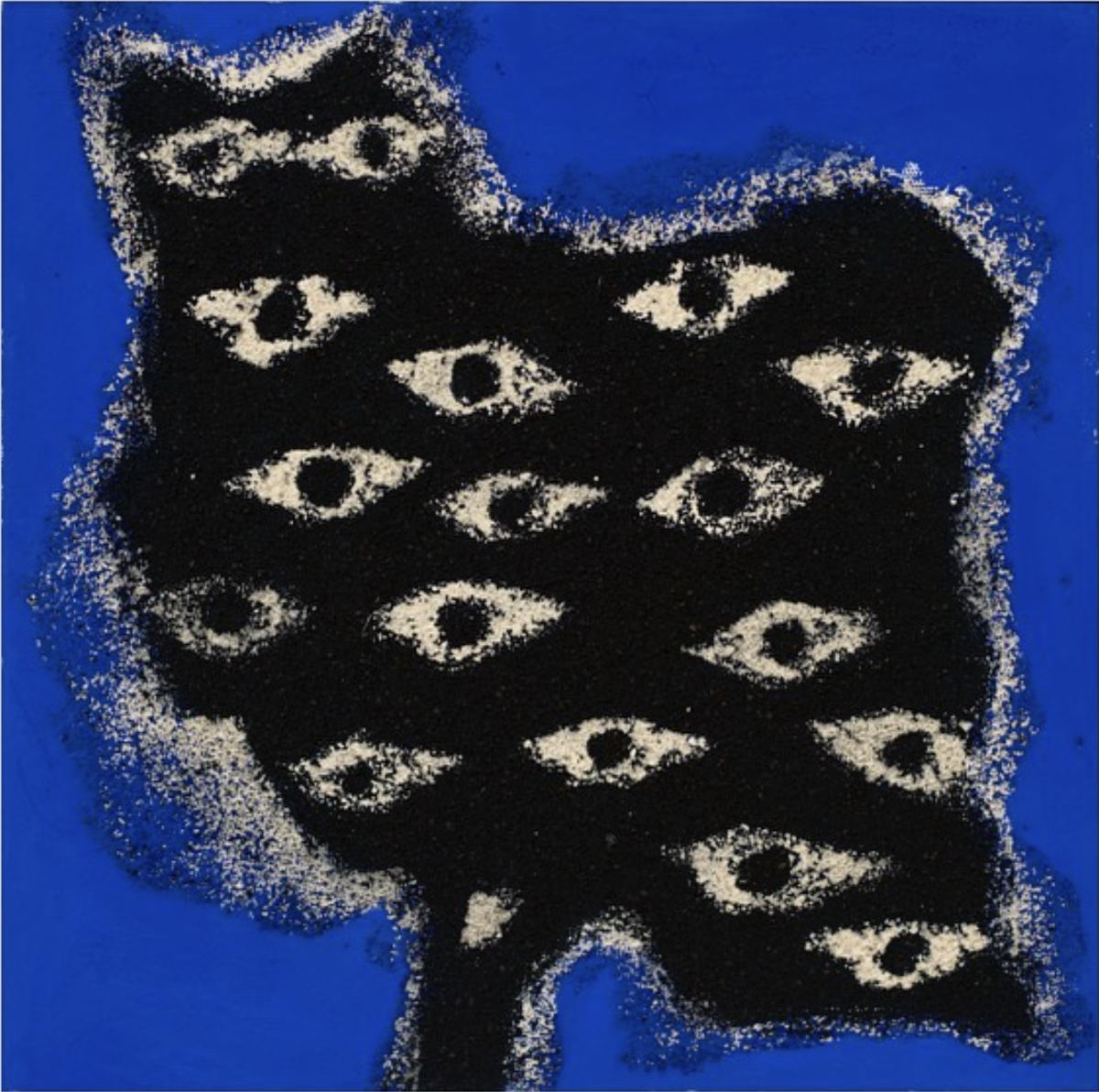
Reza Derakshani was born in Sangsar in the northeast of Iran and grew up with a nomadic-style childhood, leaving Iran after the 1979 Islamic Revolution. He has a multidisciplinary practice combining influences from decorative Persian art with Western abstraction. He is known for his use of tar as a base on his canvases, before layering paint, resulting in physical depth in his paintings. His work can be found as part of major collections including the British Museum, the Metropolitan Museum of Art, the Tehran Museum of Contemporary Art, and the State Russian Museum.
Farhad Moshiri
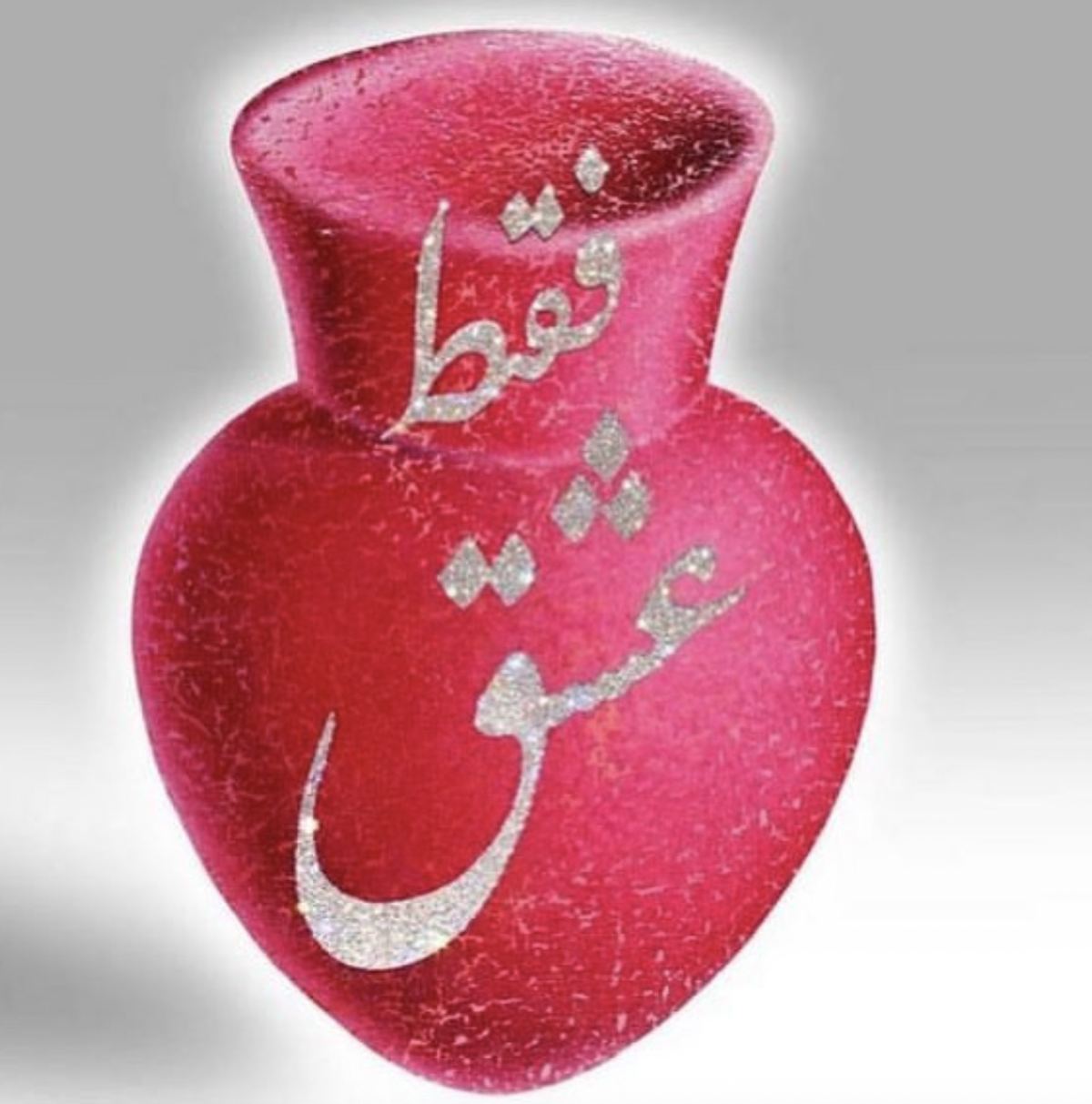
Born in Shiraz, Farhad Moshiri lives and works in Tehran. With a multimedia practice, he is known for combining modern pop culture aesthetics with traditional Persian motifs. Moshiri’s work creates a dialogue between past and present, combining Iranian heritage with pop art sensibility, often commenting on consumerism and desire through the depiction of packaged goods and everyday products. His work is part of major collections worldwide including the Sharjah Art Foundation and British Museum.
Shadi Ghadirian
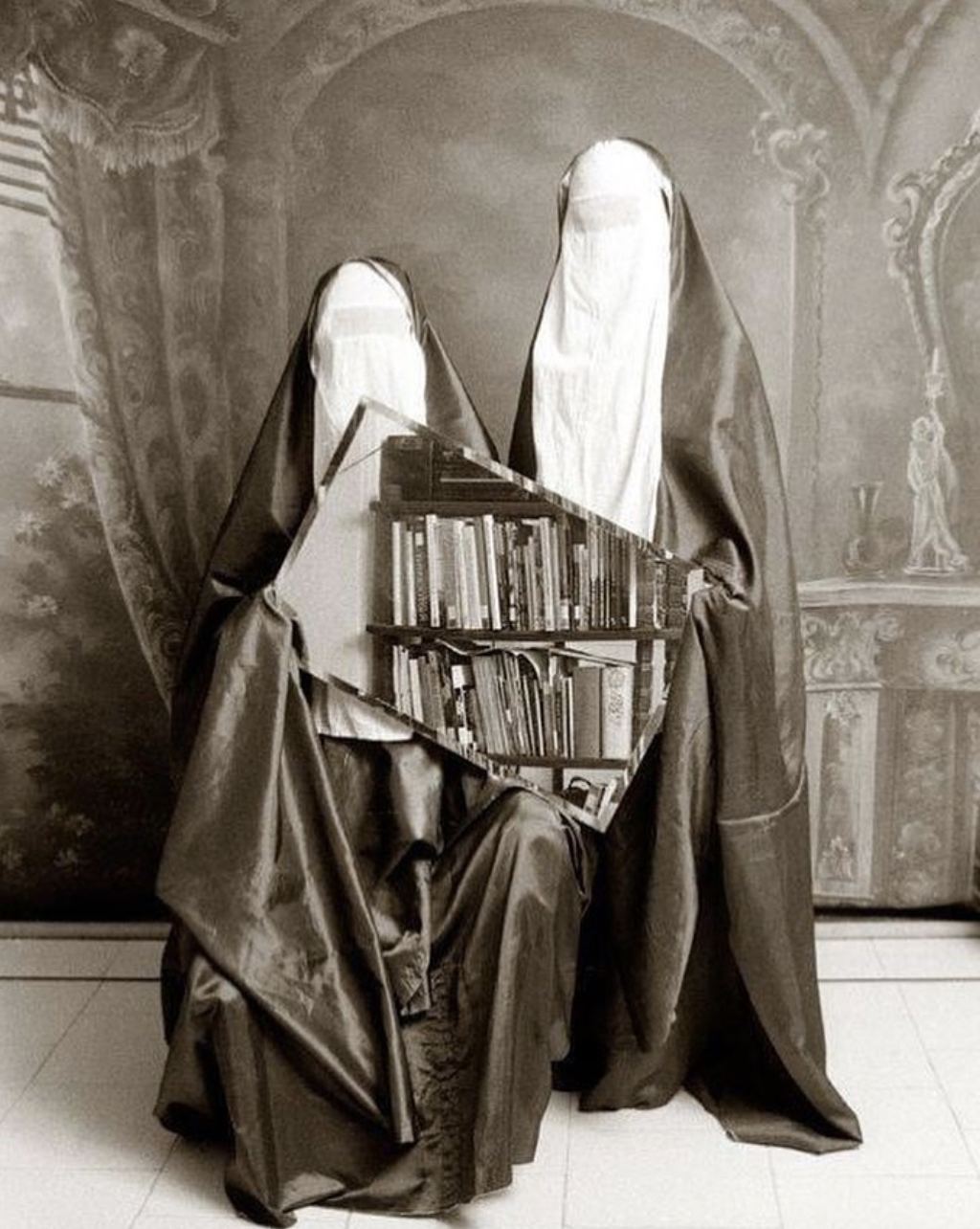
Shadi Ghadirian is known for her photographic works that explore gender, identity, and tradition in modern Iranian society. Her images combine domestic objects with traditional Iranian symbols, often staging women in carefully composed settings that explore societal norms and contradictions, playing with what is shown and what is hidden. Her work has been exhibited widely including at the Victoria & Albert Museum, Musee d’Art Moderne de Paris, and International Center of Photography, New York.
More from News
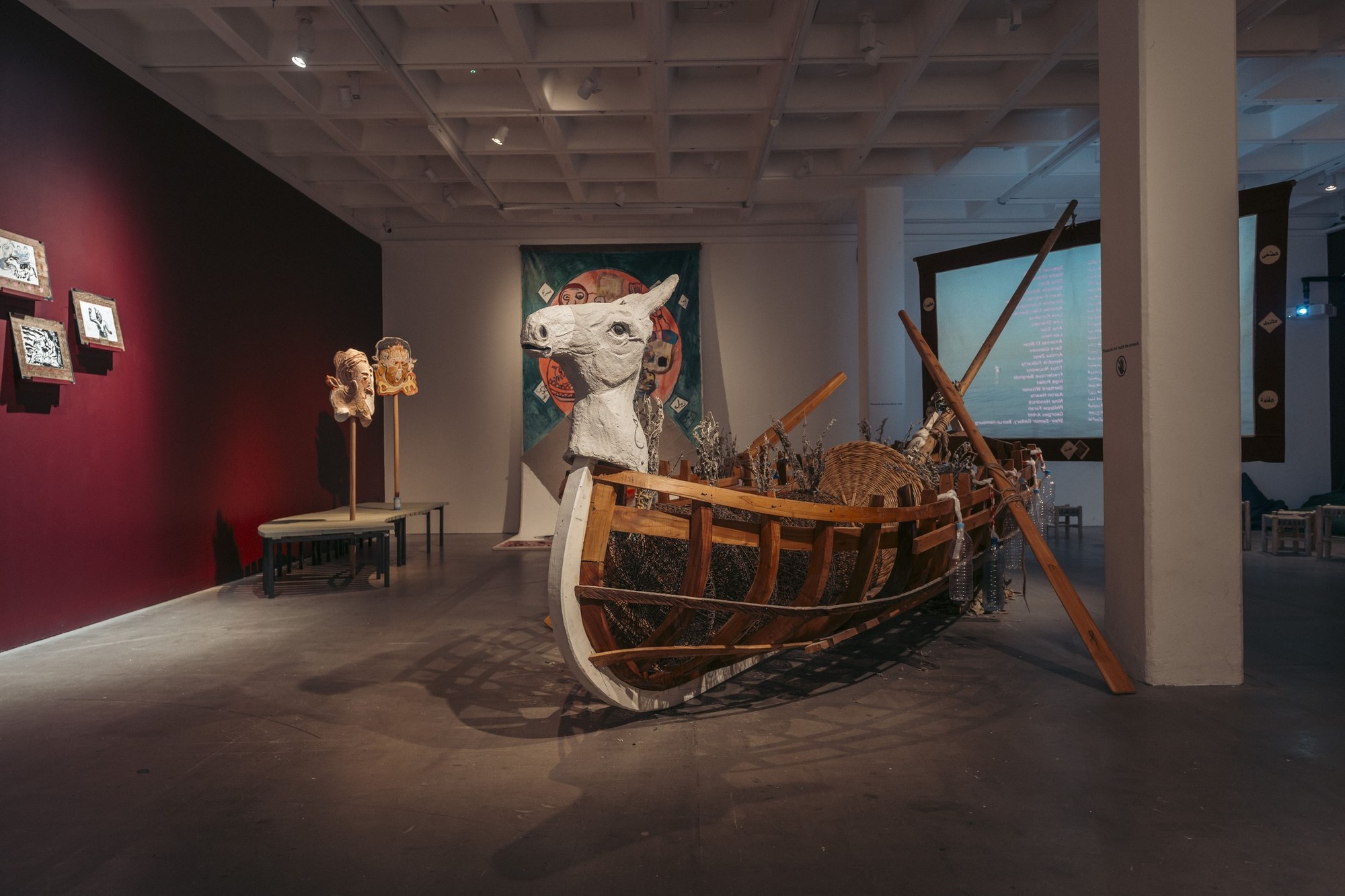
Mounira Al Solh Stitches Myth, Migration and the Feminine into New Work
Lebanese artist Mounira Al Solh turns ancient Phoenician myth into some of the most quietly radical work coming out of the MENA region, from her Venice Pavilion to her collaboratively embroidered tents.
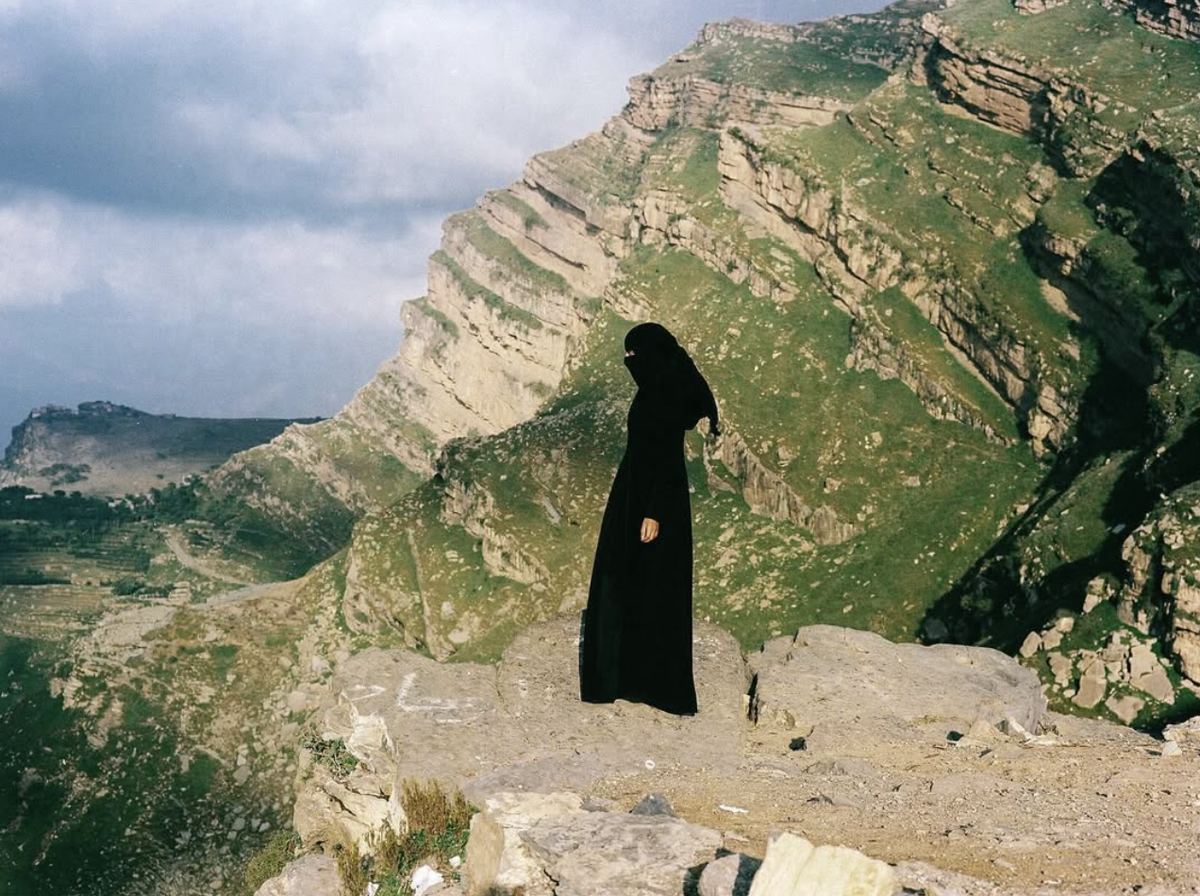
Yemeni Artists You Should Know
From its striking architecture, to its poetry and music traditions, Yemen has a rich artistic history. Yemen also has a contemporary art scene too. A new generation of Yemeni artists is redefining cultural narratives,…
10 Contemporary Turkish Artists You Should Know
The Turkish art scene is booming. Beyond institutions like Istanbul Modern, the Istanbul Biennial and Contemporary Istanbul, a flourishing contemporary art scene is making a lot of noise within the wider MENA art scen…