Why Do Institutions in the MENA Region Model Themselves After their Western Counterparts
Is it time to stop modelling the art scene in the region after the West?
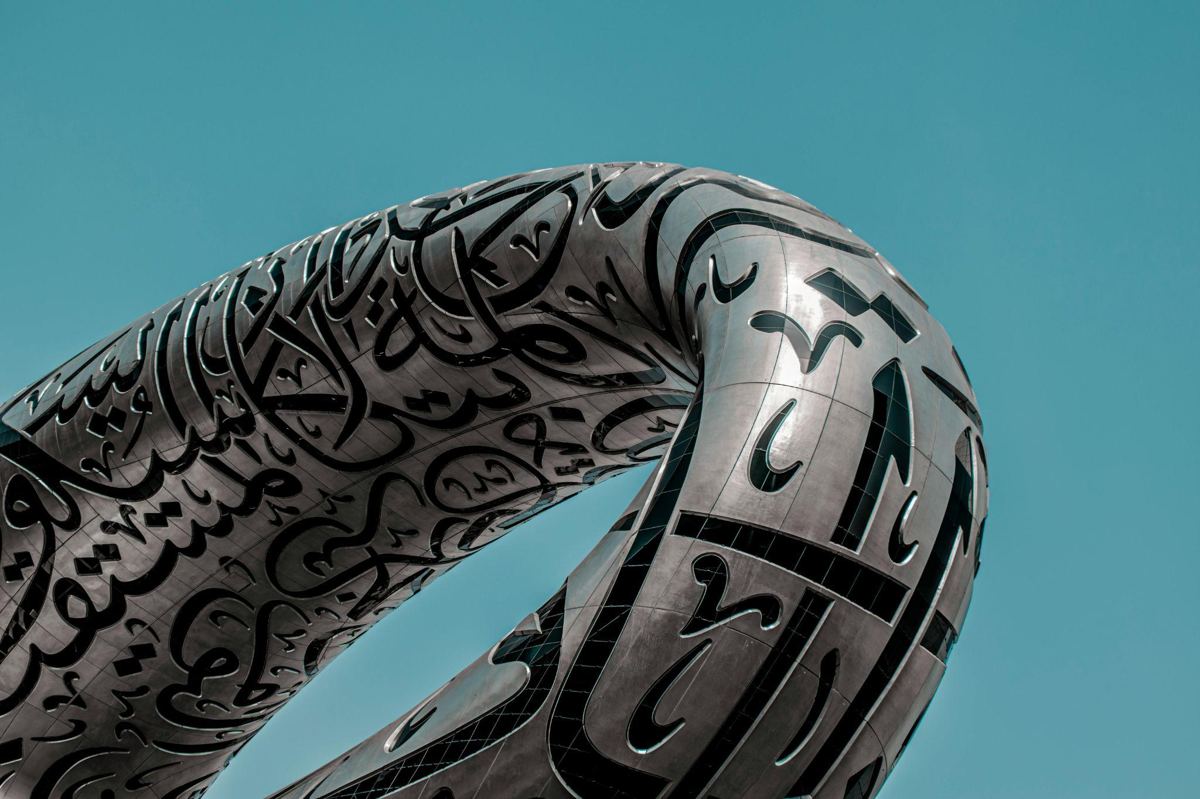
We all know about the Louvre Abu Dhabi. Soon, there’ll be a Guggenheim Abu Dhabi too. These artistic institutions - named or in partnership with museums in the West - are seen as prestigious, and something that the region should be proud of. And, while we don’t doubt that, shouldn’t the region be creating museums celebrating their heritage, as opposed to adopting Western notoriety?
The Louvre Abu Dhabi opened in November 2017, with the Jean Nouvel designed museum now a must-visit landmark on any trip to the UAE. But did you know that the “Louvre” name is actually on license from the Paris institution? That’s right, the celebrated Emirati museum has paid to use the name for a 30-year period. It is feasible therefore, that the museum could have a different name by 2047 if this agreement isn’t extended or renewed. In fact, it has been reported that the Louvre in Abu Dhabi paid a whopping $525 million for the honour of calling itself “Louvre”, and an additional $750 million for loans of objects and managerial advice. Imagine paying $525 million for something that could expire. It does seem a little crazy. And, while this is obviously a great partnership with the world-renowned Paris museum, wouldn’t it have been an incredible opportunity for the UAE’s flagship museum to have given itself an Emirati name?
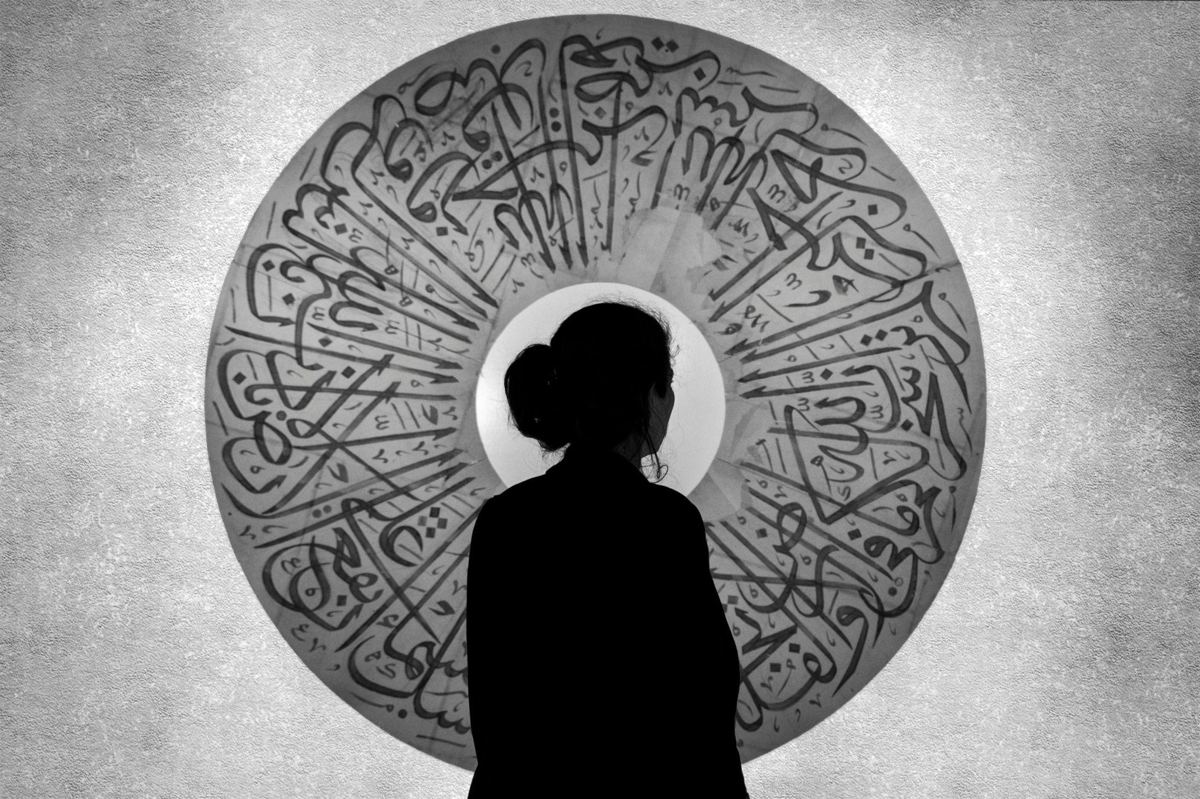
Meanwhile, the Guggenheim Abu Dhabi, a joint partnership between the Abu Dhabi Department of Culture and Tourism and the Solomon R. Guggenheim Foundation is set to be complete by the end of 2025. The hotly anticipated museum has been underway since an agreement was first signed in 2006. And, while the museum is owned by Abu Dhabi’s Tourism Development & Investment Company, the Guggenheim Foundation will manage and establish its programme. Encouragingly however, the Guggenheim Abu Dhabi collecting strategy is believed to focus on modern and contemporary art from the MENA region.
Despite these Abu Dhabi-based icons, there are plenty of galleries and museums in the region that are at the forefront of promoting the region’s art and cultural scene. Sharjah Art Foundation, Qatar's Mathaf, Saudi Arabia's Misk Art Institute and Beirut Art Center are just a few of these. However, it is the institutions that carry Western branding that carry the most weight. And, if the region wants to become known for its own culture, surely it should move away from idolising the West?
The problem isn’t just with the institutions themselves, but also the way that art is bought and valued in the region. While there are countless local galleries and artists, many choose to buy from auction houses, and the two auction houses of choice - Sotheby’s and Christie’s - have British origins. Despite both having set-up outposts in the region, their MENA art sales often take place in the UK. Encouragingly however, Sotheby’s premiere Diriyah sale this year totalled an impressive $17.28 million.
But the issue isn’t just the way the region buys art, it’s also how it values it. While auction sales of MENA artworks typically total a few million dollars, this is a drop in the ocean compared to sales of Western artwork. The most expensive artwork ever to sell at auction was Leonardo da Vinci's Salvator Mundi, which fetched $450.3 million at Christie's in New York in November 2017. It wasn't purchased by a Western buyer or institution, but by Prince Badr bin Abdullah Al Saud. It is said that he purchased the painting as a stand-in bidder for Saudi Arabian Crown Prince Mohammed bin Salman on behalf of Abu Dhabi’s Department of Culture and Tourism. The painting was expected to be displayed at the Louvre Abu Dhabi in 2018, though this has been postponed indefinitely. In 2022 it was reported that a gallery was being built especially to house the painting to be ready in 2024, in Al Ula’s Wadi AlFann. As of June 2025 however, we cannot find confirmation that the artwork is on display. It’s also worth noting that a British curator - Iwona Blazwick - who was formerly director of London’s Whitechapel Gallery, is reported to be acting as an advisor on cultural initiatives to Saudi Arabia.
The point here is not that a Western painting has been bought by the Saudi royal family, but that the region itself appears to favour art by international artists as opposed to their local counterparts. What’s more, when huge cultural projects are implemented within the region, you are more likely to see Western curators and advisors heading up these initiatives than those from the region.
In the first half of 2025, the inaugural Art Week Riyadh was directed by Vittoria Matarrese and Art Dubai was directed by Dunja Gottweis. And, while they bring a wealth of experience from institutions and fairs including Palais de Tokyo and Art Basel, how great would it be to have had these initiatives led by local talent?
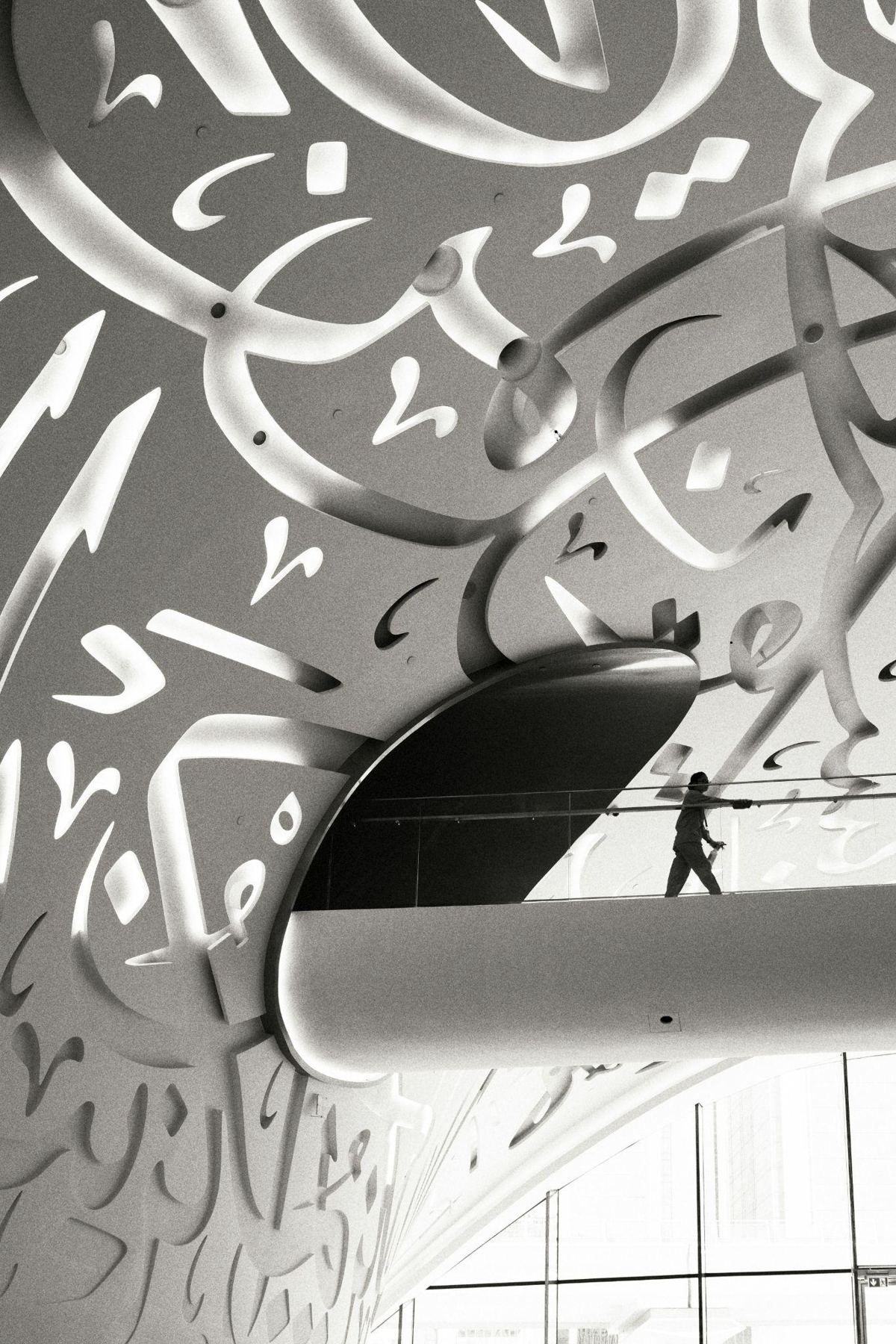
There are many arguments as to why the MENA region keeps orienting itself towards the West. Some cite a colonial legacy, especially given that Britain, France and Italy had a strong influence during the 19th and 20th centuries. In 2025 however, most institutions have moved beyond this. That said, it appears that much of the world - not just the MENA region - is looking to the West’s track-record of rapid modernisation, and perceived institutional superiority.
Given everything that we’ve put forward in this piece, we’re proud of the diversity and innovation of the artistic institutions in the MENA region. In the future, we’d love for these institutions to embrace their heritage, and take inspiration, not just from the West and the MENA region itself, but also from other parts of the ever-growing art world.
More from News
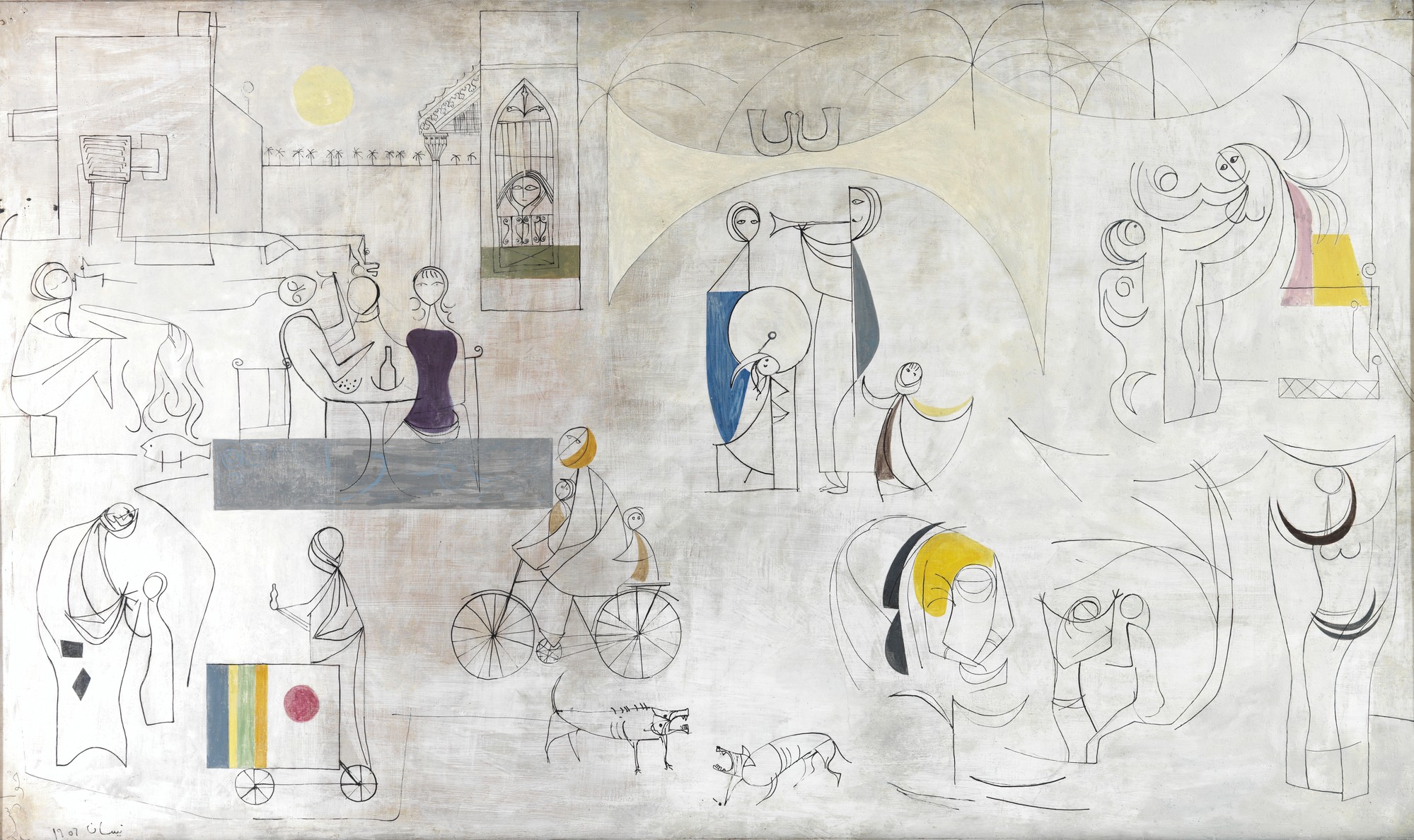
10 Institutional Exhibitions Opening in the MENA Region This October
From the Baghdad Modern Art Group at Mathaf to Salah Elmur at Jameel Arts Centre and a moving image biennale in the Medina of Tunis, here are the museum and art centre shows opening across the MENA region this October.
Why Did Contemporary Iranian Art Sell for £200 in London This Month?
Twenty Tehran galleries sent close to 200 works to Ab-Anbar in London, priced from £200 to £3,000. We look at what the show tells us about the market for art made in Iran today.
ArtZone Palestine Amplifies Palestinian Voices
Amidst the seemingly neverending destruction and devastation in Gaza, the MENA art world - and generally many artists across the world - have not been shy about amplifying Palestinian voices. A number of exhibitions a…