MENA Art Hubs Outside the Region
The MENA art scene is thriving in diaspora
The MENA art scene is thriving in diaspora
The MENA region is vast and expansive. The art scene is changing and developing every day. But our artistic reach is not only confined to the borders of the geographies where our roots originate from. Outside of the region, there are a number of art hubs in different cities that champion MENA arts and culture. We spoke to artists, gallerists and curators in Paris, London, New York and Berlin to learn more about the MENA art scene in their cities.
First stop, New York, where Lebanese-American artist, curator and writer Audrée Anid is based. “While New York City is vast, the creative MENA community overlaps and intersects often, cultivating a sense of familiarity”, she says, “We’re living in a global moment that is extremely fraught, so seeking out community is critical. Whether it be through exhibitions, talks, screenings, social gatherings, and collective relief efforts, there are opportunities to connect with peers. As an artist, curator and gallerist, it’s important to help build a supportive ecosystem through a strong network. Nothing can happen in a bubble. I’ve also collaborated with dedicated organizations that spotlight voices from the region like the Institute of Arab and Islamic Art (IAIA) and ArteEast.”
Audrée is currently the Director of Special Projects at a contemporary gallery, where she works with notable artists from the region such as Monir Shahroudy Farmanfarmaian and Jordan Nassar. “I’ve noticed that there is a strong desire and necessity in the commercial sector to expand past the geographical bounds of New York to reach new audiences and markets in areas like the Gulf, for example”, she explains, “Over the last decade and more, there has been incremental growth in the number of collectors, curators, and institutions alike that are interested in acquiring and showcasing work by MENA artists, on a city-wide, national and international level. The path seems promising, but there is much room for improvement. More broadly, there are troubling roadblocks and challenges ahead, in a time of collective surveillance and suppression. Community seems to be one path forward.”
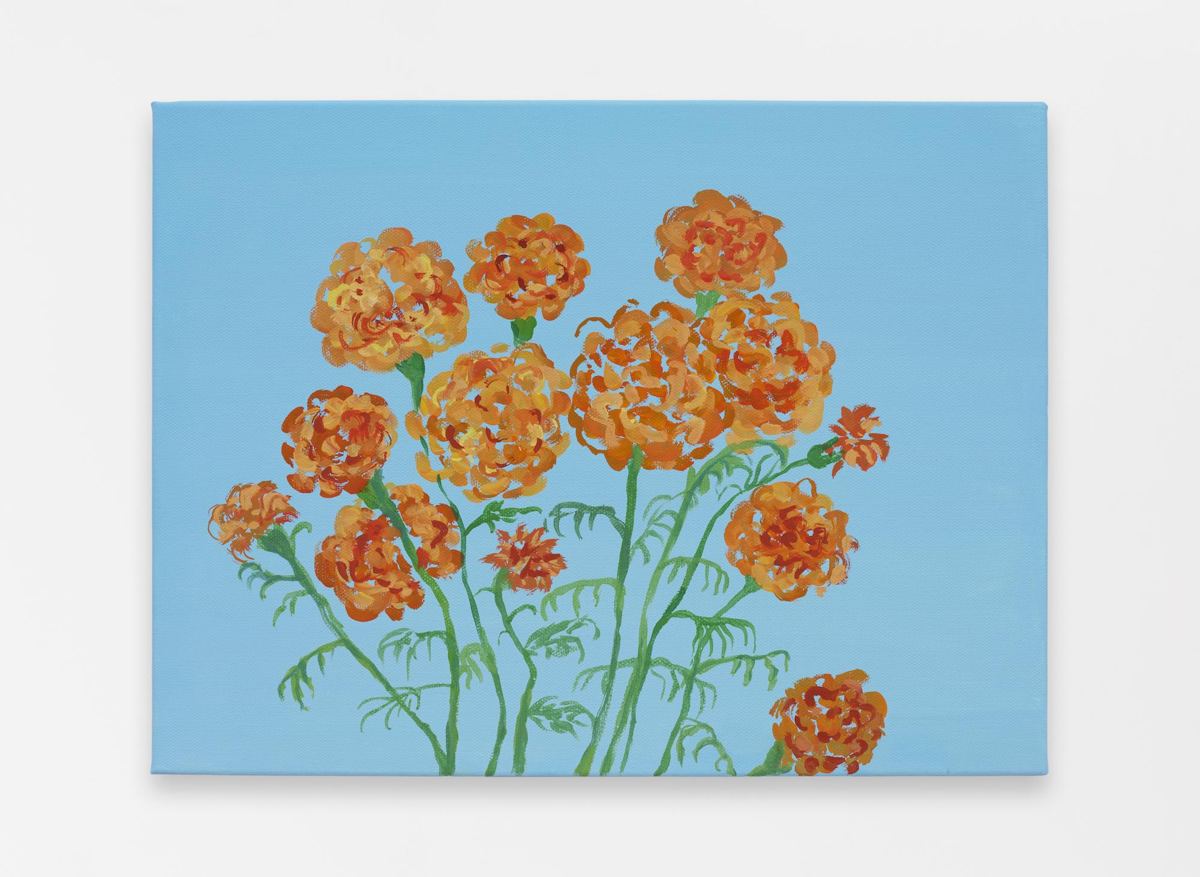
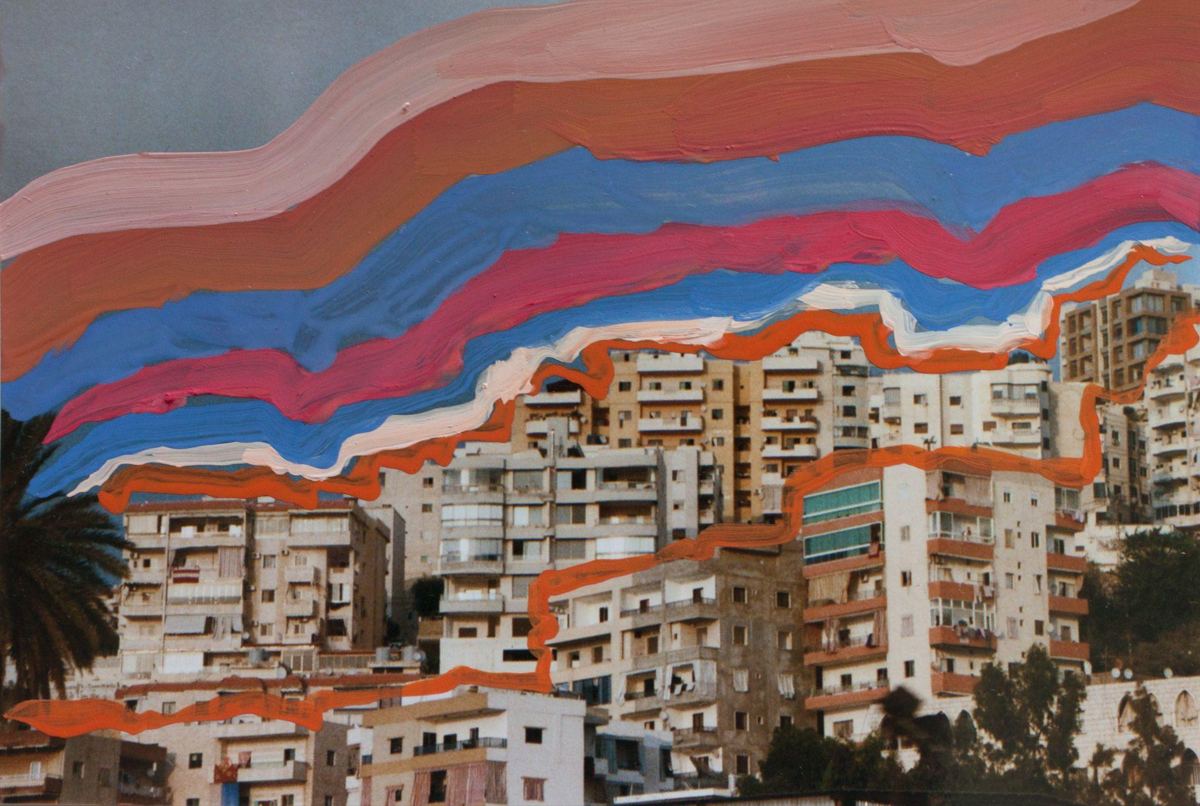
In terms of her own artwork, Audrée is currently working on a series of intimately-scaled floral paintings; pairing a flat, single-hued background with gestural applications of paint. “They are introspective meditations on navigating grief and heartbreak, but are also about finding small moments of acceptance and brightness”, she explains, “It’s an overall departure from my mixed-media photographs of Beirut. Though the paintings still touch on issues of memory and loss, they are grounded in a more feminine and personal perspective.”
Next up, we cross continents to Berlin. Tehran-born and Berlin-raised Anahita Sadighi founded her eponymous gallery in Berlin in 2015. She focuses on bridging historical and contemporary perspectives, with a strong emphasis on feminist narratives, interconnectivity, and artistic innovation. Over the past decade, she has curated exhibitions, developed cultural programs, and introduced immersive event formats such as The Loft, a multidisciplinary series at the intersection of art, music, and performance. Her latest exhibition, Woman’s Land, brings together the works of Forough Alaei and Kiana Hayeri, two photographers whose work reflects on the mechanisms of polarization and the resilience of women in the face of conflict. The exhibition presents acts of quiet rebellion, resistance, and self-determination, particularly in Iran and Afghanistan, offering new perspectives on transformation through photography.
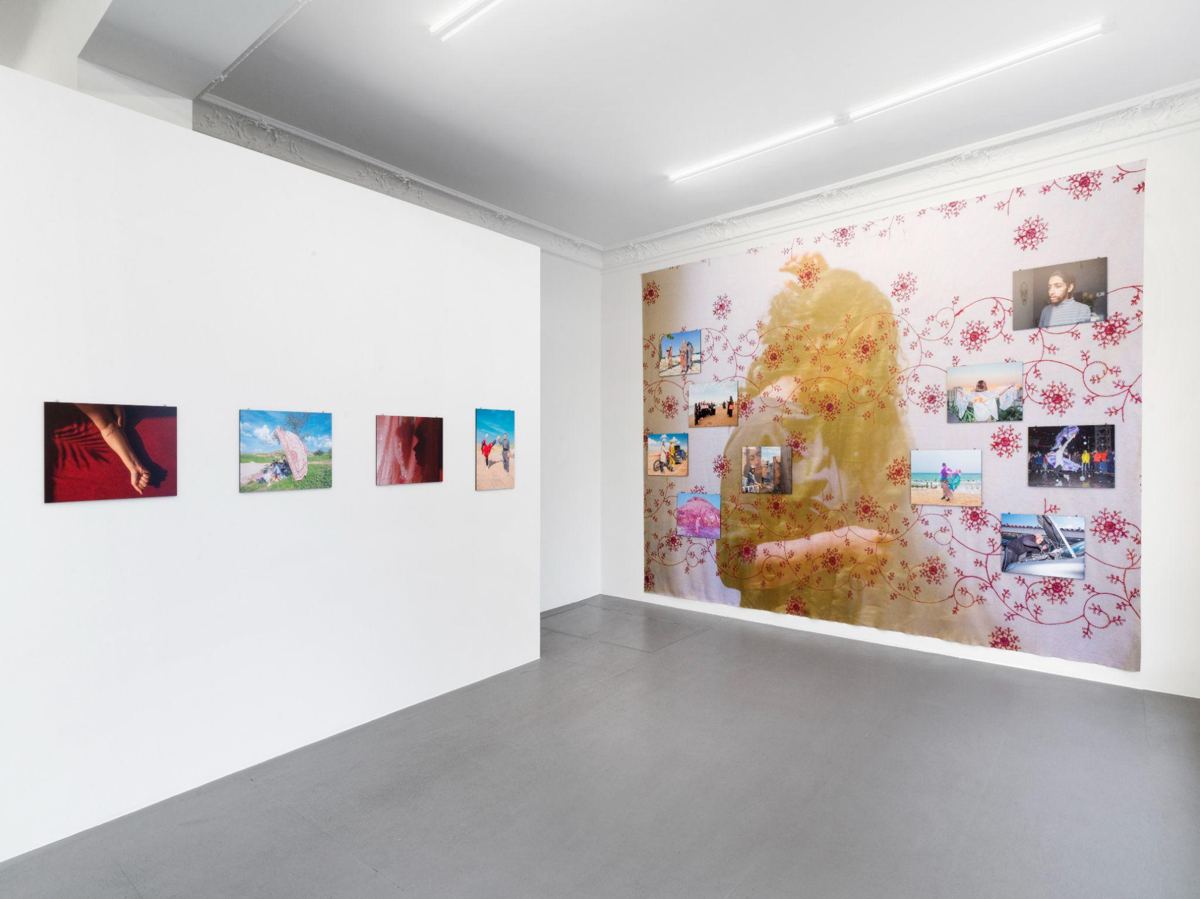
“Berlin has long been a major hub for exiled and diasporic artists from these regions. Many have found in Berlin not just a place of refuge but a space for artistic freedom, critical engagement, and cross-cultural exchange”, says Anahita, “The city's independent art spaces, alternative exhibition platforms, and interdisciplinary collaborations have fostered an ecosystem where artists from MENA and SWANA could challenge dominant narratives, reclaim agency, and shape new artistic discourses.” That said, while Berlin has been seen as a hub for art from the region, recent political situations have made things difficult. “In light of recent geopolitical tensions, particularly following the war in Gaza, the situation has shifted”, adds Anahita, “Germany’s cultural landscape has become increasingly restrictive, with heightened censorship and the cancellation of events featuring artists critical of Israeli policies. This has significantly impacted Berlin’s role as a sanctuary for free artistic expression. While the city remains an important cultural crossroads, the pressures of political sensitivities and institutional restrictions have placed new constraints on artists from the region.” But, in spite of this, Anahita remains hopeful. “The resilience of the artistic community continues to drive conversations on identity, resistance, and transformation”, explains Anahita, “Even in the face of mounting challenges.”
A short flight away, Lebanese artist Sara Abou Mrad lives and works in Paris. “The Arab/MENA/SWANA art scene in Paris is a vibrant and dynamic landscape, shaped by the city's deep historical ties with North Africa and the Middle East. It thrives on strong institutional support, with key spaces like the Institut du Monde Arabe (IMA) playing a central role in promoting Arab culture through major exhibitions, artist residencies, and cultural events”, she explains, “The Musée du Louvre has also expanded its collection, recently acquiring a remarkable set of 272 Byzantine and Eastern Christian icons, originally assembled in Lebanon, further enriching its dialogue with Eastern artistic heritage.”
Sara also notes that contemporary and conceptual art from the region is gaining visibility in major institutions like the Palais de Tokyo and Centre Pompidou, which occasionally showcase artists exploring themes of identity, migration, and post-colonialism. Figures such as Ali Cherri have found a place alongside international artists, with the recent exhibition at the Bourse de Commerce marking a significant moment for Arab artists in Paris.
“Beyond institutions, independent galleries play a crucial role in fostering both emerging and established talents. Spaces such as Galerie Nathalie Obadia, Mariane Ibrahim Gallery, and Mark Hachem Gallery regularly feature Arab artists, while more experimental venues like Lafayette Anticipations provide a platform for young MENA creatives”, she explains, “The art market further amplifies this presence through major fairs such as Paris+ by Art Basel, which replaced FIAC and often includes MENA artists. Additionally, AKAA (Also Known As Africa), though primarily focused on African art, frequently highlights artists from North Africa, bridging the region’s cultural intersections.”
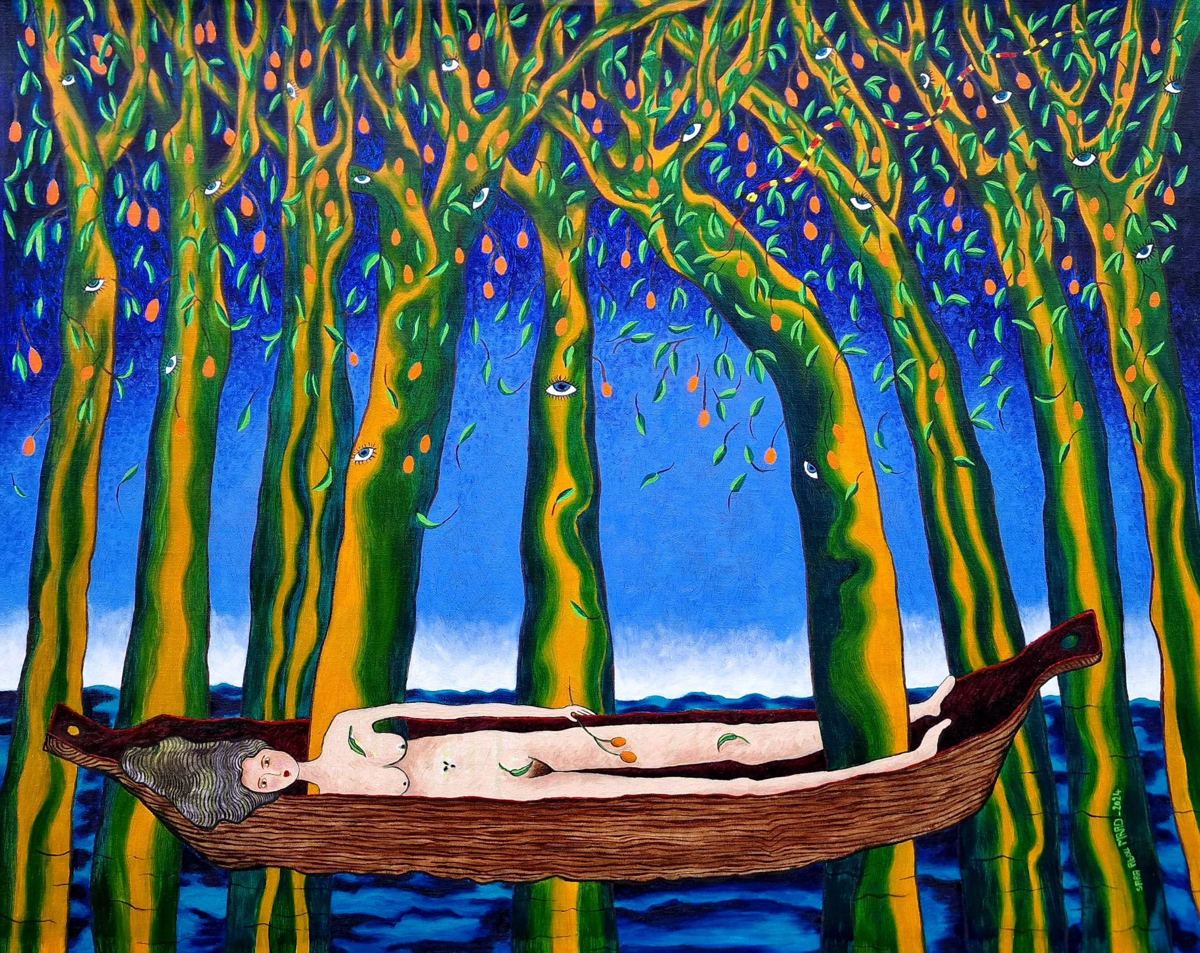
Sara’s own work has a dreamlike quality to it, full of symbols related to the collective memory of Lebanon. Made in Paris, it is drawn from the cultural and religious heritage that the Lebanese transmit from one generation to the next, despite contemporary changes. “While the Arab/MENA/SWANA art scene in Paris continues to flourish, it also navigates ongoing challenges regarding representation and artistic autonomy”, she adds, “With a diverse audience and increasing institutional support, it remains a space of dynamic evolution, where contemporary voices redefine narratives and expand the boundaries of artistic expression.”
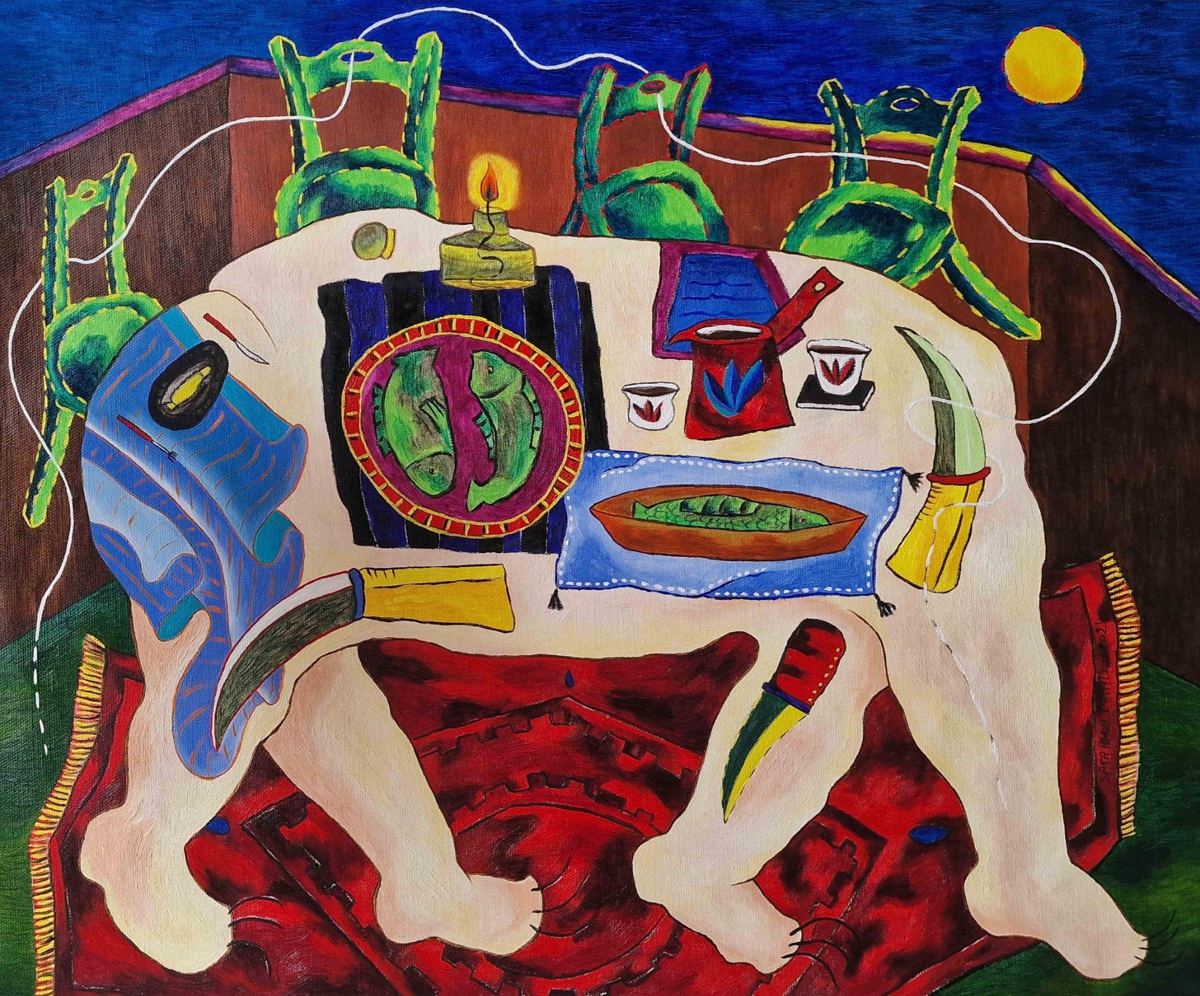
A short train ride from Paris, London is another art hub for artists from the MENA region. “The modern and contemporary Arab art scene has been in existence in London since the 1970’s and during this time has seen a constant presence of commercial galleries and regular museum exhibitions showcasing and supporting the region”, explains curator Janet Rady, “In the last six months however I believe we are witnessing a real growth / renaissance in the market with the main auction houses Christie’s, Sotheby’s, Bonhams and Olympia Auctions focusing heavily on Arab artists (Christie’s and Christie’s both held shows in the summer for Saudi Arabian artists – Christie’s with a solo for Ahmed Mater and Sotheby’s showing Modernist Saudi Arabian artists from the collection of Qaswra Hafez) as well as holding live and online sales in the rooms twice a year. Excitingly two more auction houses have added contemporary Arab sale categories to their roster – Azca Auctions and Kings Russell Auctions, with their first sales being held in the spring.”
Currently, Janet is preparing for an auction of Modern and Contemporary African and Middle Eastern art on 7 May 2025 at London’s Olympia Auctions, where she oversees two auctions per year. The sale will include a number of Egyptian works.
Besides the auction houses, artists exhibit regularly throughout the UK too. “Non-commercial exhibitions and festivals such as Shubbak, the Jameel Prize at the V&A and the forthcoming exhibition at Turner Contemporary for the Egyptian artist Anna Boghiguian reinforce this interest, building on past regional exhibitions at Tate St Ives for Huguette Caland (2019) and Tate Liverpool of Surrealism in Egypt: Art et Liberté 1938–1948(2017/18) and the annual Liverpool Arab Arts Festival”, adds Janet, “As interest in this field continues to grow, I forecast that more commercial galleries will incorporate Arab artists in their programmes, as well as increased collector activity and institutional support for the region.”
So, it seems that MENA artists are thriving in diaspora and that community is a driving force in promoting the MENA art scenes in their respective cities. That said, many art professionals note how tensions surrounding political influences have been obstacles for them and put their endeavours under threat. In spite of this, we are hoping that these artistic hubs will continue to thrive, and can’t wait to see what other MENA hubs pop up outside of the region.
More from News
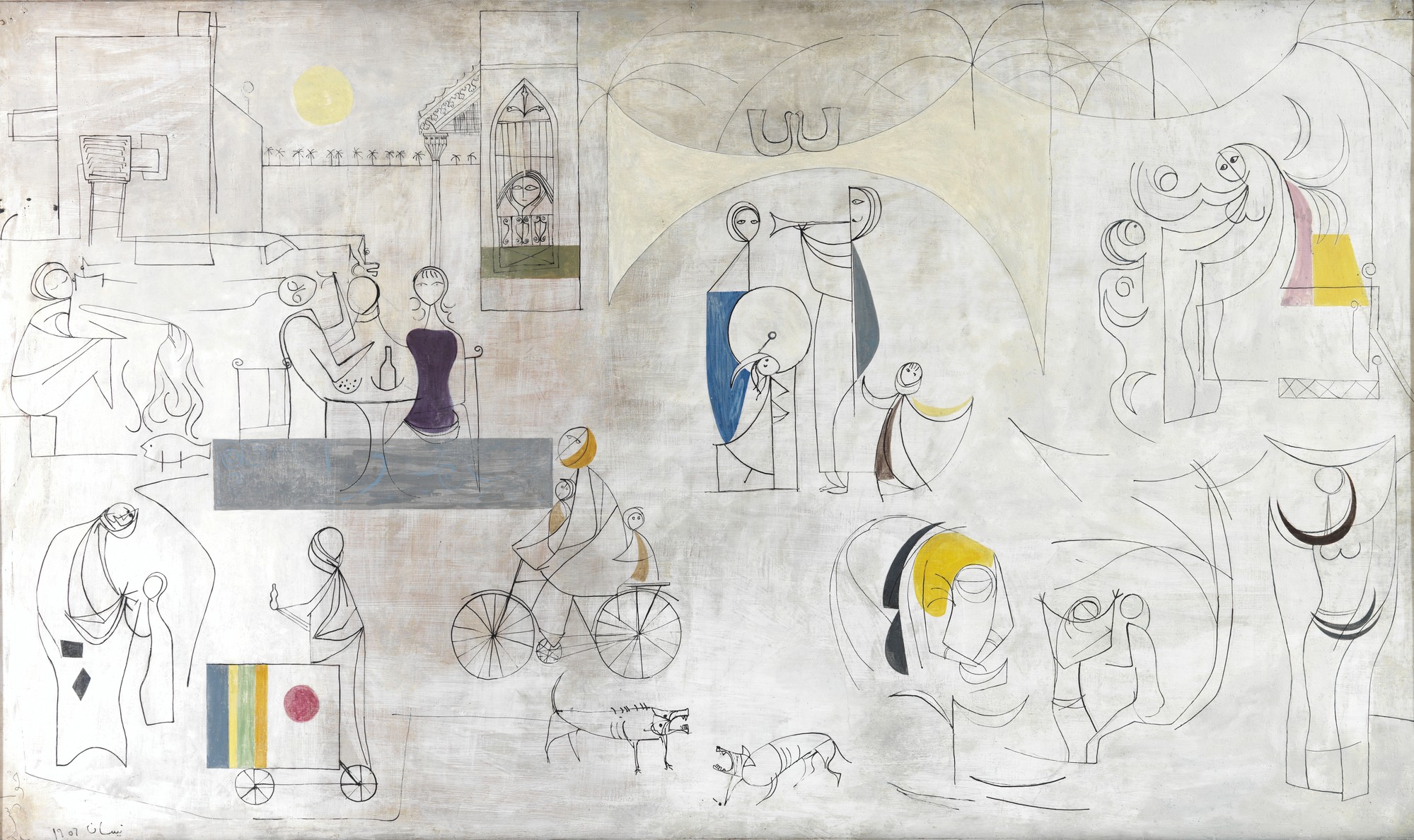
10 Institutional Exhibitions Opening in the MENA Region This October
From the Baghdad Modern Art Group at Mathaf to Salah Elmur at Jameel Arts Centre and a moving image biennale in the Medina of Tunis, here are the museum and art centre shows opening across the MENA region this October.
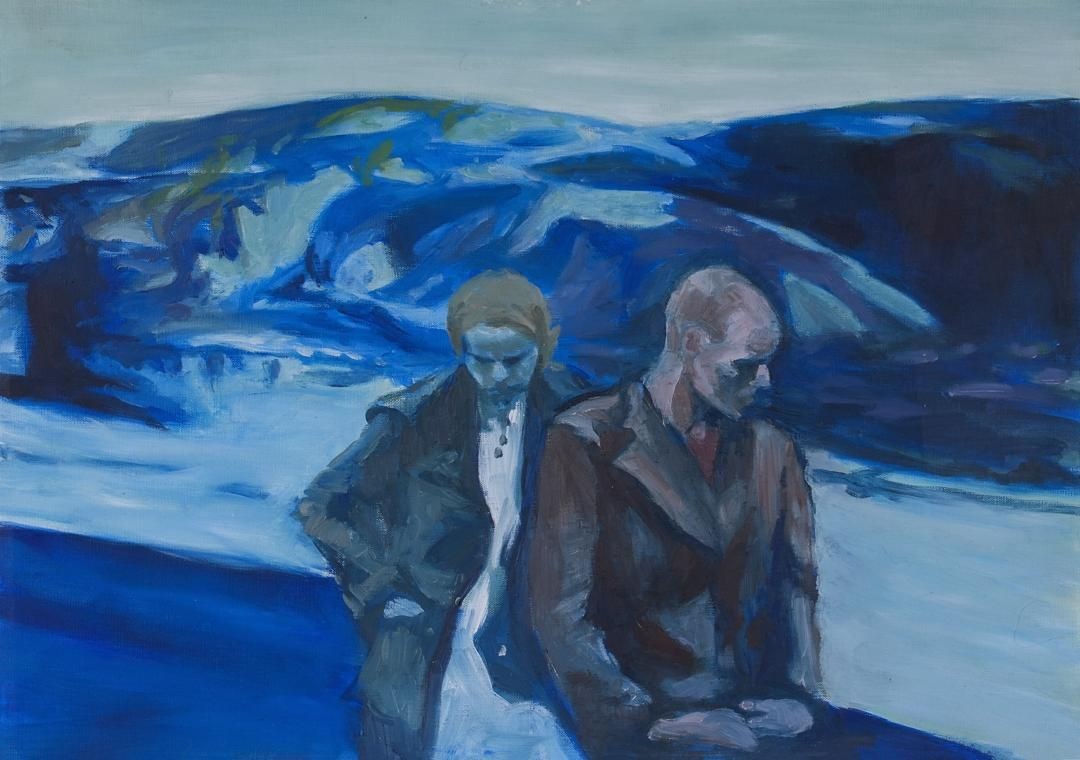
Why Did Contemporary Iranian Art Sell for £200 in London This Month?
Twenty Tehran galleries sent close to 200 works to Ab-Anbar in London, priced from £200 to £3,000. We look at what the show tells us about the market for art made in Iran today.
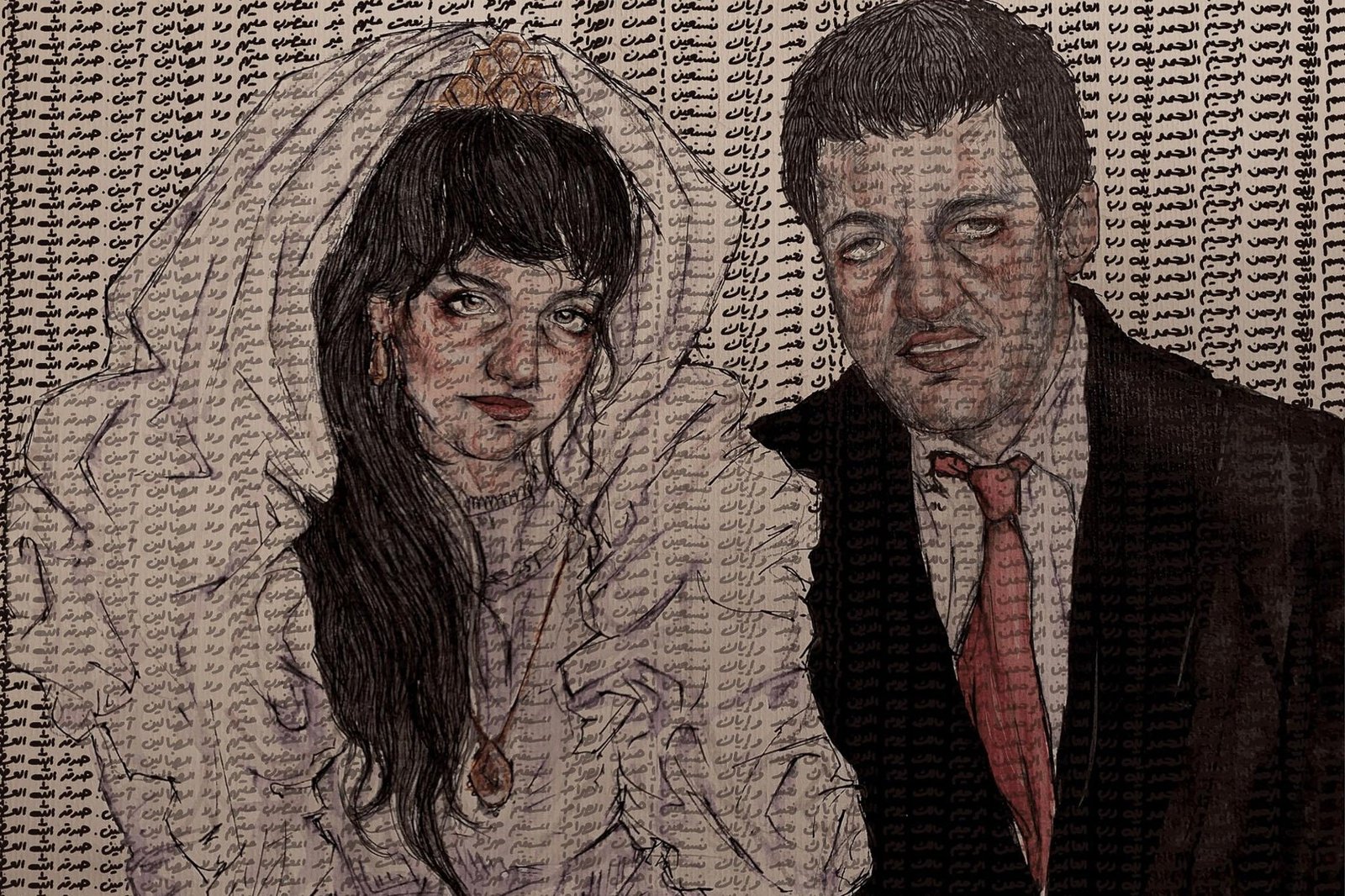
ArtZone Palestine Amplifies Palestinian Voices
Amidst the seemingly neverending destruction and devastation in Gaza, the MENA art world - and generally many artists across the world - have not been shy about amplifying Palestinian voices. A number of exhibitions a…